

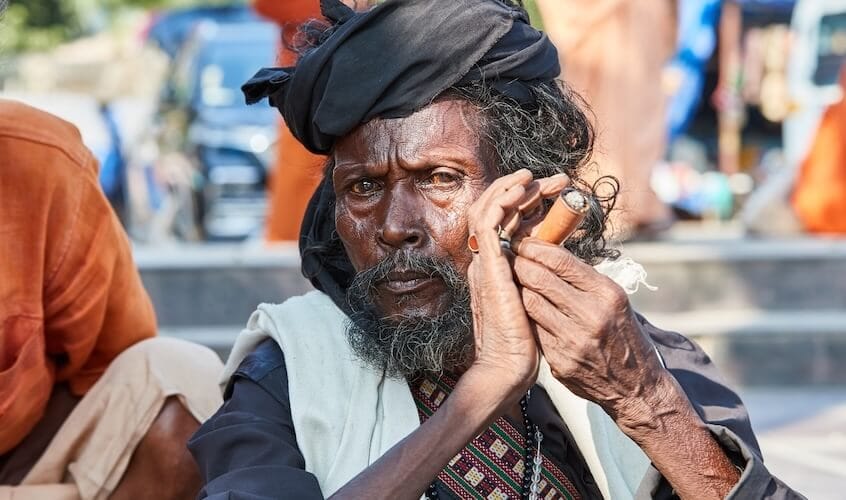
For thousands of years, cannabis held a distinctive role in Indian culture. It was not just a leisure drug; it held an integral position in spiritual rituals, cultural celebrations, traditional medicine, and religious practices.
Cannabis is mentioned in ancient writings. Ascetics consumed it. It was recommended by Ayurvedic practitioners. During festivals, preparations infused with cannabis were freely distributed among worshippers.
However, at present, the majority of cannabis varieties are prohibited by Indian law. This stark contrast prompts a fascinating inquiry: How did a plant once seen as holy get labeled as an illegal narcotic substance? The answer lies in a complicated blend of colonial administration, global drug-control agreements, evolving social perceptions, and contemporary laws.
India’s connection with cannabis has always been complex. It is a tale that covers ancient spirituality, British colonialism, international politics, and modern discussions regarding public health and individual liberty.
This article will address and clarify not only the existing cannabis regulations in India, but also the continual debates regarding the potential evolution of those laws moving forward.
Cannabis in Ancient India: A Sacred and Cultural Tradition
Cannabis boasts one of the longest documented histories in India. In contrast to numerous cultures that regarded intoxicating substances mainly as recreational items, cannabis in India has held spiritual importance.
Cannabis was linked to transcendence, meditation, and a separation from earthly issues. This spiritual connection has allowed cannabis to retain a valued position among specific communities for many years.
References in Ancient Texts and Traditions
Numerous historians highlight mentions in ancient Sanskrit texts that depict psychoactive plants utilised in rituals and therapeutic practices. Although scholars still discuss particular interpretations, there is broad consensus that cannabis has been integral to Indian culture for centuries.
The Atharva Veda, one of the ancient sacred writings of Hinduism, mentions that numerous scholars link it to cannabis. Moreover, various historical documents indicate that the plant was esteemed for its therapeutic and spiritual uses.
The Connection Between Cannabis and Lord Shiva
In widely recognised Hindu customs, Shiva is frequently linked to the use of cannabis. Folklore describes him finding the plant and valuing its soothing properties. Although these narratives are rooted in religion and culture instead of historical accuracy, they have significantly shaped public viewpoints. Even now, cannabis products are associated with celebrations honoring Shiva, especially Maha Shivaratri.
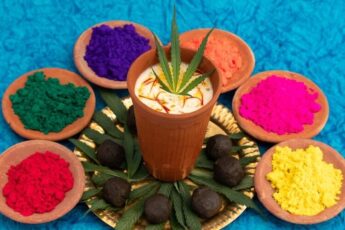
Sadhus and ascetics have historically used cannabis in spiritual rituals to improve meditation and diminish attachment to worldly desires. In various parts of India, bhang (a mixture mainly made from cannabis leaves) is consumed during Holi and other festivities as part of enduring cultural customs.
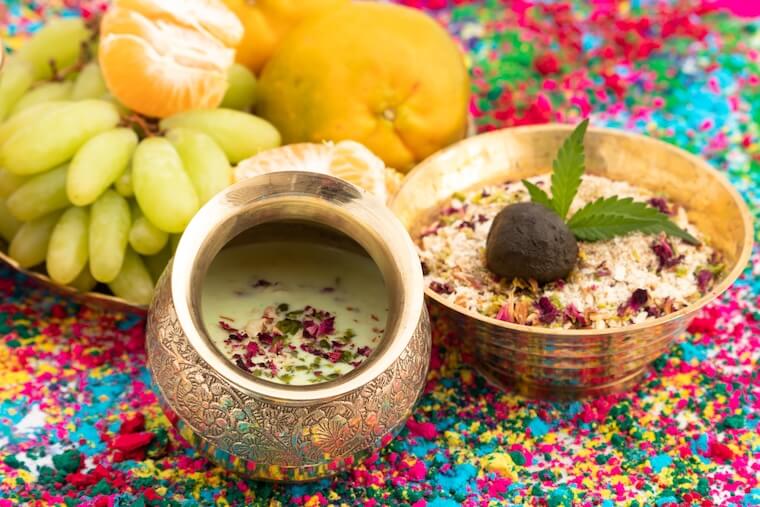
The lasting connection between cannabis and spirituality accounts for why many Indians perceive the plant in a distinct light compared to substances like heroin or cocaine.
Cannabis in Ayurveda and Traditional Medicine
Aside from its spiritual importance, cannabis held a significant role in conventional Indian medicine. Ayurvedic scriptures mention cannabis as Vijaya and outline its application in meticulously crafted preparations.
Ancient Ayurvedic texts document its application for alleviating pain, enhancing appetite, easing digestive issues, and promoting sleep. Certain formulations were also utilised to tackle issues related to inflammation and disorders of the nervous system.
Ancient practitioners thought that, when given correctly, cannabis could help regulate particular bodily functions and ease certain symptoms. However, Ayurvedic practitioners seldom advised the use of cannabis on its own. Rather, it was usually mixed with various herbs and components to balance its effects and improve therapeutic results.
Crucially, traditional Ayurvedic medicine highlighted cleansing methods prior to the use of remedies. Unprocessed cannabis frequently underwent complex techniques aimed at minimising adverse effects. This shows a nuanced grasp that the plant had both possible advantages and dangers.
Currently, there is a resurgence in interest regarding cannabis-based medicine. Scientists are examining cannabinoids like tetrahydrocannabinol (THC) and cannabidiol (CBD) for ailments such as chronic pain, epilepsy, nausea from chemotherapy, and specific neurological conditions. Although contemporary medicine depends on clinical evidence rather than solely on traditional wisdom, the revitalised scientific focus emphasises that cannabis has historically held a position at the crossroads of healing and dispute.
The disparity between its traditional acceptance in Ayurveda and its contemporary legal limitations is one of the most captivating elements of India’s connection with cannabis.
Cannabis Under Colonial Rule
Upon gaining control of India, the British discovered that cannabis was widely consumed by various communities and regions. In contrast to certain colonial officials who supported instant banning, British authorities initially took a more careful stance.
Since the use of cannabis was just too prevalent and culturally ingrained to overlook, officials in the government grew worried about its social and health implications. Yet, they acknowledged that millions of Indians used cannabis in different ways without clear signs of societal breakdown.
As a result, the British administration chose investigation over outright prohibition.
The Indian Hemp Drugs Commission Report (1893–1894)
A notably impressive study on cannabis was carried out in colonial India. In 1893, the British administration set up the Indian Hemp Drugs Commission to investigate cannabis consumption across the nation.
The inquiry conducted by the commission was thorough. It collected accounts from medical professionals, spiritual leaders, agricultural workers, government representatives, asylum managers, cannabis merchants, and users. The concluding report surpassed 3,000 pages and continues to be one of the most thorough historical analyses of cannabis consumption globally.
The commission arrived at findings that might astonish contemporary readers. Researchers discovered that moderate cannabis consumption was prevalent and typically not linked to serious social or health outcomes. Though heavy use was deemed possibly detrimental, the commission found that moderate intake did not warrant a ban.
Consequently, British officials primarily opted for regulation and taxation instead of outright prohibitions. For many years afterward, cannabis items remained available legally via authorised systems.
Cannabis After Independence
During a significant part of the colonial period and the years after independence, cannabis continued to be fairly available in India.
Various provinces upheld frameworks for overseeing and taxing cannabis products. Government-sanctioned stores offered products such as ganja, charas, and bhang in various locations.
This legal status frequently amazes younger generations who believe that cannabis prohibition has always been in place. However, the significant transition to criminalisation happened only in the final decades of the twentieth century.
From Regulation to Prohibition: The Global Shift Against Cannabis
The twentieth century experienced a significant change in global perspectives on drugs. Since cannabis was progressively associated with other illicit drugs, numerous governments started implementing tougher regulations concerning narcotic drugs.
Global entities created agreements focused on regulating production, distribution, and consumption. This worldwide movement ultimately exerted pressure on nations with deep-rooted traditions of cannabis consumption, such as India.
The Single Convention on Narcotic Drugs
A major turning point came with the United Nations Single Convention on Narcotic Drugs in 1961. The treaty sought to create a unified international framework for drug control. Cannabis was included among the substances subject to regulation and restrictions.
This put India in a difficult dilemma.
On one hand, cannabis had deep cultural, religious, and medicinal roots within the country. On the other hand, India was participating in an emerging international system that increasingly viewed cannabis as a controlled substance.
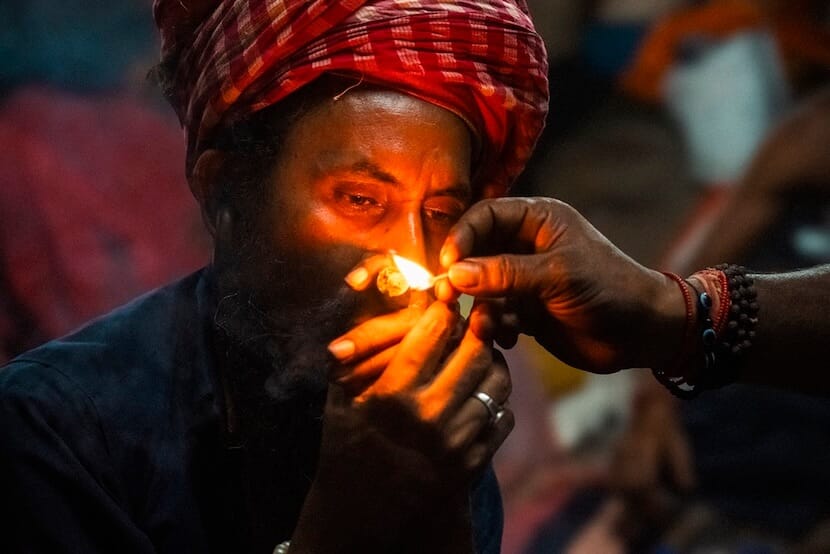
Indian representatives thus argued that cannabis could not be evaluated solely through a Western lens because of its unique role in Indian society. Negotiations eventually produced compromises that allowed certain traditional practices to continue.
Most notably, preparations made from cannabis leaves, such as bhang, were not treated the same way as products derived from the flowering tops or resin of the plant. This distinction remains important today.
Why India Initially Resisted Global Cannabis Prohibition
As international discussions on drug control escalated in the mid-twentieth century, India occupied a distinct role. In contrast to numerous Western nations, cannabis was not seen only as a substance for intoxication. It was intricately woven into religious customs, cultural habits, and daily existence.
In discussions about international drug treaties, Indian delegates contended that cannabis should not be regarded similarly to substances with minimal cultural importance. During festivals, millions of individuals ingested bhang, and cannabis traditions had been present for centuries without being viewed as inherently unlawful.
These cultural truths generated conflict between global expectations and local customs. Although numerous countries backed tighter regulations, India aimed for exceptions to enable the continuation of traditional practices. In the end, agreements were made that acknowledged the unique status of cannabis leaves and specific traditional preparations.
This diplomatic balancing explains why India ultimately implemented stringent cannabis regulations while maintaining legal allowances for bhang in various states. The impact of these discussions still affects cannabis legislation in India now.
The NDPS Act of 1985: A Turning Point
The contemporary cannabis regulations in India are mainly shaped by a single law: the Narcotic Drugs and Psychotropic Substances (NDPS) Act of 1985. This legislation fundamentally transformed the nation’s stance on cannabis.
The NDPS Act was enacted in part to enhance India’s adherence to international drug-control commitments and create a thorough system for regulating narcotics.
For numerous onlookers, the legislation signified the conclusion of a period. As a result, cannabis items that had previously thrived in lawful and regulated environments unexpectedly faced criminal consequences.
What the Law Actually Prohibits
A frequent misunderstanding is that the NDPS Act prohibits the whole cannabis plant. However, the legislation clearly outlines cannabis based on specific parts of the plant and its preparations.
According to the Act, cannabis that is forbidden includes:
- Charas, which refers to cannabis resin and hashish.
- Ganja, which refers to the flowering or fruiting tops of the cannabis plant.
- Mixtures or preparations derived from these prohibited forms.
Ownership, production, distribution, transportation, and farming of these types typically necessitate permission and are otherwise subject to legal penalties. The latter differ based on amount and circumstances, spanning from fines and jail time for lesser quantities to harsh punishments for larger commercial amounts.
The Bhang Exception
The most intriguing part of India’s cannabis regulations is what they fail to restrict. The NDPS Act does not consider cannabis leaves and seeds as controlled substances if they are not with flowering tops.
This exclusion establishes the legal foundation for bhang’s distinct position in India. Bhang is conventionally made from cannabis leaves and is thus typically exempt from the main restrictions set by the NDPS Act.
The difference represents both historical truths and political compromise. A total prohibition of bhang would have disturbed cultural and religious practices that have been in place for centuries. Hence, legislators embraced a more balanced strategy.
Is Cannabis Completely Illegal in India Today?
The short answer is no. However, the longer answer is much more complicated.
As discussed, cannabis legality in India depends heavily on which part of the plant is involved, how it is processed, and where it is being used.
This complexity is what often creates confusion among the public.
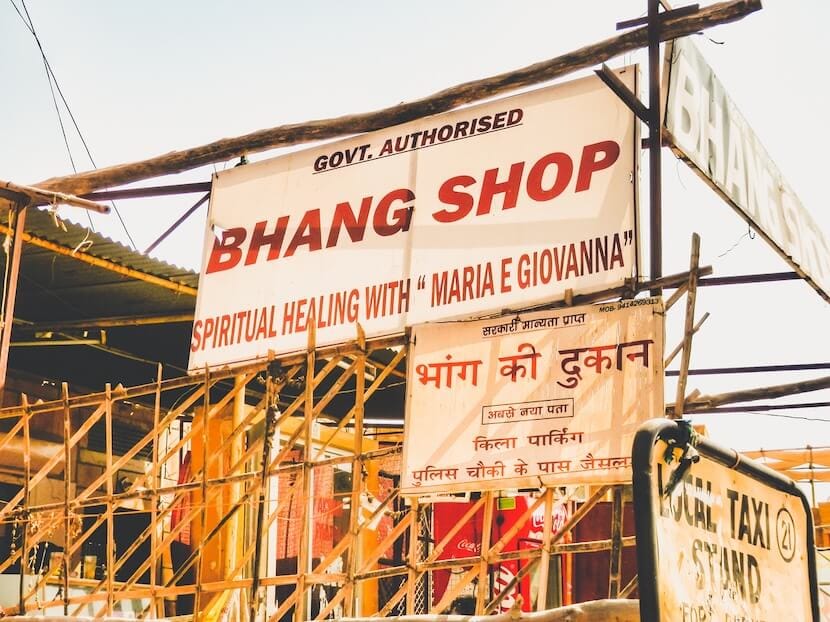
State-Level Variations
Even though bhang is not included in the main prohibitions of the NDPS Act, it doesn’t mean it is legal in all of India.
State governments maintain the power to control or ban the production and sale of bhang through local legislation and taxation rules. Certain states have licensed bhang shops in operation. In contrast, some states enforce limitations or prohibitions.
This results in a fragmented system where legality differs based on the area. Consequently, actions allowed in one state could result in legal repercussions in a different state.
Medical and Industrial Cannabis Developments
Despite the predominant ban on recreational cannabis, India has seen an increasing fascination with the medical and industrial uses of the cannabis plant.
Industrial hemp, a type of cannabis with minimal THC content, is becoming more recognised as a potential agricultural and economic opportunity. Hemp can be utilised to produce textiles, paper, biodegradable plastics, building materials, cosmetics, food items, and industrial fibres. Various Indian states, such as Uttarakhand, have established systems that permit licensed hemp farming under controlled conditions.
Simultaneously, research on medical cannabis has grown. An emerging but limited number of Indian firms are engaging with authorised cannabis-based products, especially in Ayurvedic and pharmaceutical contexts. Scientists are exploring the medicinal possibilities of cannabinoids for issues like chronic pain, epilepsy, multiple sclerosis, anxiety disorders, and palliative treatment.
Nonetheless, challenges related to regulation persist. Medical cannabis products face rigorous regulation, and availability is still restricted in contrast to nations with established formal medical cannabis systems. Concerns about clinical evidence, physician education, patient accessibility, and product uniformity persist in influencing policy debates.
For numerous policymakers, medical cannabis serves as a compromise between total prohibition and complete legalisation. Instead of emphasising recreational use, the dialogue is shifting more towards scientific studies, patient treatment, and economic prospects linked to regulated cannabis farming.
The Modern Debate: Tradition, Public Health, and Policy
Few substances have stirred as much debate as cannabis. Advocates of change contend that banning cannabis has not eradicated its usage. They argue that regulation might enhance safety, produce tax income, lessen criminal justice loads, and aid medical research.
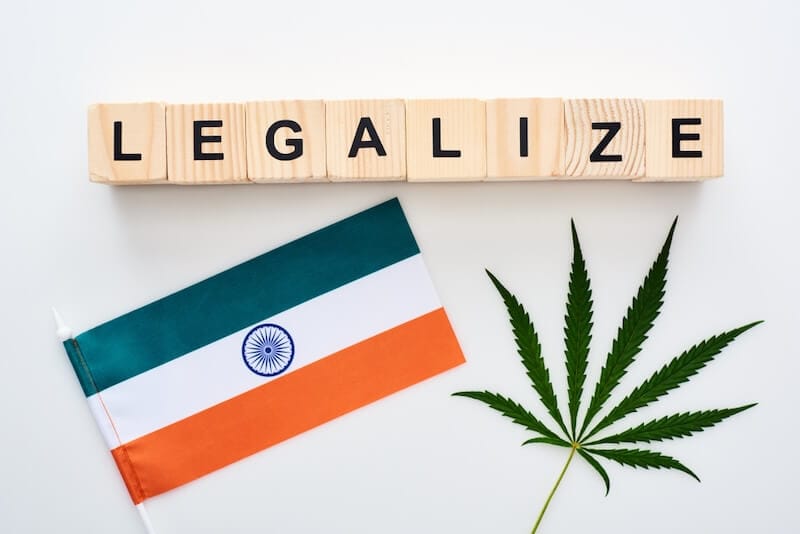
Numerous individuals also highlight India’s historical connection with cannabis as proof that the substance shouldn’t be regarded in the same way as other, more harmful drugs. Cannabis advocates also often highlight the difference between sensible adult consumption and harmful substance misuse.
Conversely, critics highlight significant issues. Public health specialists caution that cannabis carries potential risks. Studies have associated significant or early usage with various health and psychological issues, especially in at-risk groups.
In addition, law enforcement officials are concerned about greater accessibility and possible abuse. These conflicting viewpoints is a major reason why cannabis continues to be one of the most contentious policy matters in India.
The Cultural Paradox at the Core of India’s Cannabis Discussion
The undeniable link of cannabis with Hindu mythology, religious celebrations, and traditional healing clearly contradicts its position as a regulated narcotic by national legislation. This contradiction frequently confuses and surprises international observers.
In some areas, cannabis-related customs persist during festivals like Holi and Maha Shivaratri, whereas owning other forms of cannabis types may result in legal consequences. This interplay of cultural tolerance and legal limitations illustrates the intricate dynamics that have influenced contemporary India.
Advocates for change contend that existing regulations do not adequately recognise the plant’s traditional significance in Indian culture. Critics argue that cultural importance should not solely dictate contemporary drug policy, especially regarding public health issues.
Consequently, the discussion goes beyond just cannabis. It prompts wider inquiries regarding how communities reconcile tradition, scientific proof, global responsibilities, and modern social conditions. The cannabis laws in India result from all four forces, which explains why the matter is still so debated today.
Public Opinion and Changing Attitudes
As we’ve discussed in this article, global perceptions of cannabis are shifting, and India is not an exception.
Younger generations are becoming more involved in global conversations regarding legalisation, medicinal cannabis, and harm-reduction strategies. Social media, academic studies, and policy changes in other nations have led to increased awareness of cannabis-related matters.
Simultaneously, numerous Indians still perceive cannabis within cultural and religious contexts rather than simply legal perspectives. This establishes a distinctive setting where traditional customs exist alongside contemporary regulatory frameworks.
The outcome is a continuous dialogue regarding the optimal way to harmonise cultural heritage, scientific data, public health, and legal regulation.
Conclusion: A Sacred Plant Caught Between History and Modern Law
The narrative of cannabis in India differs from that of nearly every other nation. For hundreds of years, cannabis has been regarded as a revered plant, a healing agent, a cultural practice, and a social asset. It was incorporated into spiritual ceremonies, Ayurvedic traditions, and daily activities well before contemporary drug regulations were established.
The British, after careful review and consideration, mainly opted for regulation instead of prohibition. The thorough investigation by the Indian Hemp Drugs Commission did not justify an outright prohibition, and recognised the broad cultural acceptance of cannabis.
The transition to criminalisation occurred significantly later, shaped by international agreements and evolving global perspectives on drug regulation. The NDPS Act of 1985 changed India’s cannabis environment by banning most types of the drug while allowing restricted exceptions like bhang. Currently, cannabis is not entirely legal nor entirely illegal in India. Its legal standing relies on the type of form, intended use, and the particular laws of each state.
With advancements in medical research and the ongoing evolution of global cannabis policies, India may again confront the enduring question regarding the plant’s identity: should cannabis be regarded chiefly as a harmful narcotic, a cultural heritage, a therapeutic asset, or a combination of these aspects?
The response will probably shape the upcoming phase in one of the world’s most ancient and complex connections with a plant.




Leave a Comment