

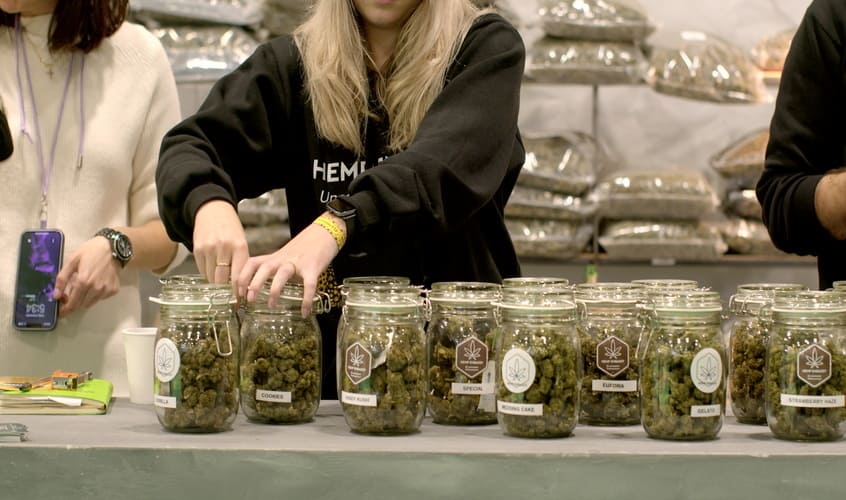
Not that long ago, cannabis was sold as the ultimate career shortcut.
The narrative was simple: quit your job, move to a legal state, and walk into a dispensary with a decent attitude and a basic understanding of weed. The “green rush” promised fast money, fast hiring, and a front-row seat to a brand-new industry being built in real time.
And for a while, that wasn’t far from the truth. But things have changed.
After peaking in the early 2020s, cannabis job growth has started to slow, and in some cases, pulled back. Layoffs at major operators, tighter margins, and a growing pool of applicants have shifted the landscape from easy entry to real competition.
What we’re seeing now is a transition from expansion to maturation. The early chaos of rapid growth is giving way to something more structured, more competitive, and, in many ways, more familiar. Cannabis is starting to look less like a gold rush and more like a real industry with all the growing pains that come with it.
And that raises a fair question: is the weed job market actually oversaturated… or is it just maturing?
A Global Industry Moving at Different Speeds
Saturation isn’t a universal condition; it’s a reflection of how long a market has existed, how it’s regulated, and how stable those rules actually are.
And right now, those variables look very different depending on where you stand.
Unlike alcohol, tobacco, pharmaceuticals, and other industries with relatively standardised global frameworks, cannabis doesn’t follow a single global playbook. Instead, every country (and in some cases, every state or province) is building its own version of legalisation from scratch, meaning different rules, timelines and levels of access from place to place.
For that reason, cannabis job markets don’t develop evenly. They’re shaped almost entirely by policy. In places where legalisation has been in place for years, the industry has had time to expand, stabilise, and eventually crowd. But in places where legalisation is brand new or still stuck in rollout, that process is just getting started.
Mature Markets
Take the United States or Canada.
These are some of the most developed cannabis markets in the world. States like California have had legal frameworks in place for over a decade. The infrastructure is there: cultivation, retail, distribution, compliance systems, and all of it built out and refined over time.
That maturity brings stability, but it also brings saturation.
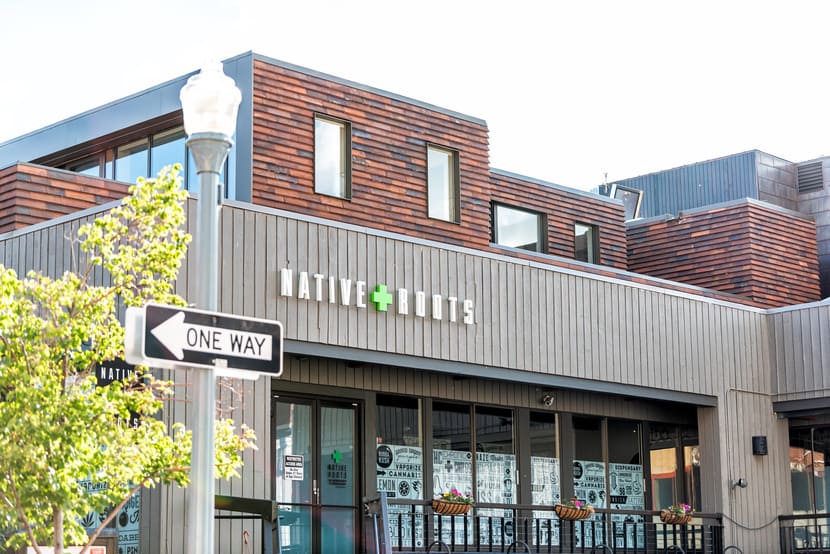
In cities like Denver, dispensary density is so high that competition isn’t just between businesses, but between workers. With more applicants, fewer new openings, and slower upward mobility, landing a role (and growing beyond it) becomes significantly more competitive. Add in oversupply driving prices down, and companies start tightening budgets, which often means fewer jobs.
The “green rush” energy doesn’t disappear, but it levels out.
Emerging Markets
Now compare that to places that are just stepping into legalisation.
Germany, for example, moved toward legal personal use in 2024, but the full commercial infrastructure is still unfolding. Supply chains are being built. Regulatory systems are still being tested. The workforce is smaller, and experienced talent is harder to find.
That creates a very different environment. One with less competition, more room to grow, and a chance to get in early and build experience as the industry takes shape.
You see similar patterns across parts of Europe and Latin America with markets that are earlier in their lifecycle, where opportunity still feels open rather than crowded.
Even within the U.S., this dynamic plays out. Minnesota legalised recreational cannabis recently, but the retail system is still in development, with legal sales largely limited to tribal dispensaries for now. The demand is there, but the job market hasn’t fully materialised yet.
Volatile Markets
And then there are markets where policy doesn’t just shape growth, but destabilises it.
Thailand is the clearest recent example.
After legalising cannabis in 2022, the country saw an explosion of new businesses. Thousands of shops opened, and job creation surged almost instantly. But within a few years, the government began shifting toward stricter controls, with talks of recriminalization and tighter medical-only frameworks.
It’s a reminder that cannabis employment is uniquely tied to regulation, and regulation can change quickly.
So when people ask if the weed job market is oversaturated, the real answer is: where?
Entry-Level Roles: Accessible, But Not What They Used to Be
Even though saturation depends on where you are, the next question is: where does it actually show up?
For most people, it starts at the entry level.
Roles like budtending, trimming, and retail support are still some of the most accessible ways into the cannabis industry. The barrier to entry is relatively low compared to other regulated fields. In many markets, the requirements are straightforward: be of legal age, understand the basics of cannabis, and know how to interact with customers.
That accessibility hasn’t gone away, but the experience of working those roles has changed.
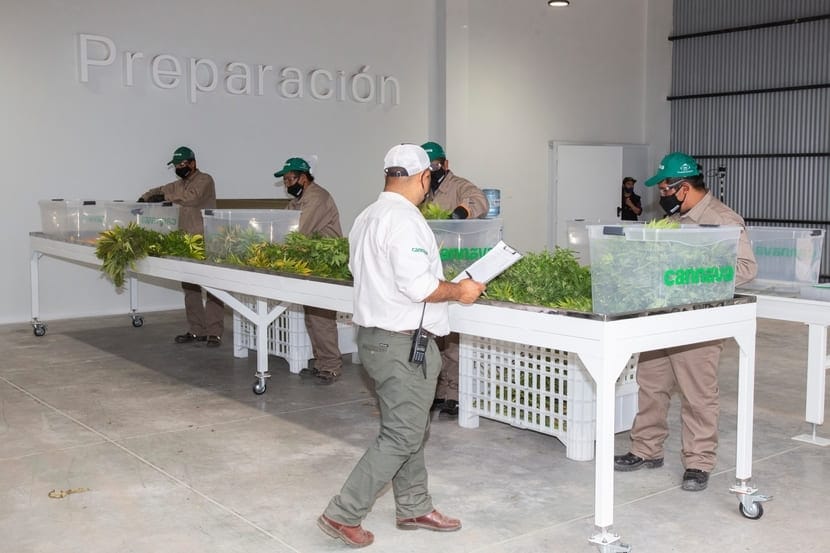
High turnover is still the norm, similar to food service or traditional retail. Some reports estimate retail turnover in cannabis can exceed 40–60% annually, with nearly a quarter of new hires leaving within their first month. That kind of churn helps explain why dispensaries are almost always hiring.
On the surface, that can make the job market feel wide open. But underneath it, the dynamics are shifting.
Applicant pools are larger than they used to be. As hiring slows and companies shift toward leaner, more selective staffing models, more candidates are competing for fewer roles, making even entry-level positions more competitive than they were just a few years ago.
At the same time, wages haven’t kept pace, either. The average budtender across the globe earns the minimum wage, depending on location. Cannabis is often comparable to other retail jobs, despite the added responsibilities of compliance and product knowledge.
In other words, accessible doesn’t always mean sustainable. That disconnect is where a lot of the frustration comes from.
Early on, cannabis jobs were marketed as something different. Something more relaxed, more exciting, maybe even a little unconventional. But in practice, most entry-level roles look a lot like their counterparts in other industries.
Retail-heavy. Compliance-driven. Customer service first.
The industry didn’t change as much as the expectations did. And for many workers, that realisation hits after they’ve already made the jump.
Where Saturation Actually Shows Up
The jobs that are easiest to get into (like budtending, retail support, brand reps, event staff, etc.) are often the ones that feel the most saturated, especially in mature markets.
Low barriers to entry mean more people can apply. High turnover means roles open frequently. And the “cool job” perception keeps a steady stream of new applicants coming in.
Put all of that together, and you get constant hiring and constant competition.
The Accessibility Trap
Budtending is the clearest example.
In newer markets, it can still feel like the early days where you just walk in, show interest, and get hired. But in places where the industry has been established for years, that same role starts to look very different.
Budtending is still accessible in most places. But in saturated markets, it’s no longer easy.
Geographic Saturation
Where you’re applying matters just as much as what you’re applying for.
Take Denver, Colorado. With a high density of dispensaries and a workforce that’s been cycling through the industry for over a decade, competition is built into the system.
There are more people trying to get in, more people trying to move up, and fewer new opportunities being created.
Compare that to a newer market, where infrastructure is still being built and hiring is more reactive than selective. The exact same role can feel wide open in one place and highly competitive in another.

Where It Gets the Most Crowded
If you’re looking for the most saturated corners of the cannabis job market, it’s usually where three things overlap:
- Low barrier to entry
- High visibility (“fun” or lifestyle-driven roles)
- Mature, fully built-out markets
That’s why retail-facing and social-facing roles tend to fill up the fastest.
They attract the most interest, require the least specialisation, and exist in the highest numbers, creating a bottleneck where a lot of people are competing for similar opportunities.
All that’s to say: the weed job market isn’t saturated across the board.
But in certain roles and in certain places, it absolutely can be, so understanding that difference helps separate expectation from reality.
Where Demand Still Exists (Even in Saturated Markets)
As cannabis markets mature, the industry gets more selective about what it’s hiring for. The roles that stay in demand tend to be the ones that require specific skills, technical knowledge, or the ability to navigate a highly regulated environment.
In-Demand Roles
Across mature markets, a few categories consistently stand out:
- Compliance and regulatory specialists
- Lab technicians and extraction professionals
- Product development and formulation roles
- Marketing, especially digital and restricted-industry experience
These aren’t the roles most people picture when they think about working in cannabis, but they’re often the ones companies struggle to fill.
Hiring reports from platforms like Vangst have consistently shown stronger demand for compliance and technical roles compared to retail-facing positions. As regulations tighten and competition increases, businesses need people who can keep them operational, compliant, and competitive.
Why These Roles Stay in Demand
It comes down to how the industry evolves over time.
- More regulation means more need for compliance.
- More competition means better branding and marketing becomes critical.
- More product innovation means companies need scientists, formulators, and technical experts who understand both the plant and the process.
In other words, the more mature the market becomes, the more it rewards specialisation.
From “Getting In” to “Levelling Up”
Early on, the focus was on getting into any role at any entry point. Now, the conversation is starting to look more like other industries, where long-term growth depends on building skills, gaining experience, and moving into more specialised positions.

That doesn’t mean entry-level roles don’t matter. For many people, they’re still the starting point. But they’re no longer the whole picture.
Cannabis is becoming more defined, and for workers, that means thinking beyond the obvious roles and into where the industry actually needs people next.
What This Means for Workers
Over time, the cannabis industry changed how it hires, who it hires, and what it actually needs from workers.
In the early days of legalisation, opportunity was tied to timing. Markets were new, infrastructure was limited, and companies were hiring quickly just to keep up. Personality could carry you. Interest was often enough to get your foot in the door.
Now, in more mature markets, that dynamic has shifted.
Hiring is slower. Expectations are higher. And companies are operating with tighter margins, which means they’re more selective about who they bring on and where they invest.
That shift has been reinforced over the past few years.
Between 2022 and 2024, major cannabis companies (including large multi-state operators) went through waves of layoffs after expanding too quickly during the early growth phase. What followed wasn’t a collapse, but a correction. Weaker or overextended businesses exited the market, while others restructured to focus on efficiency and long-term sustainability.
For workers, that transition can feel like instability.
Retail roles come with high turnover and limited upward mobility. Startup environments can be fast-moving, but underfunded and unpredictable. And even in more established companies, the path upward isn’t always as clear as it once seemed.
But that doesn’t mean opportunity is disappearing. It means it’s changing.
In Saturated Markets
In places where the industry is fully built out, standing out matters more than simply getting in.
Experience carries more weight than interest alone. Versatility becomes a real advantage, especially for workers who can move between roles, build layered skill sets, or step into more specialised positions over time.
Breaking into the industry might take longer, and growth may be more gradual, but it’s still possible.
In Emerging Markets
In newer markets, the dynamic looks very different.
There’s more room to enter early, grow alongside the industry, and take on responsibility quickly as systems are still being built. The same roles that feel competitive in mature markets may still be wide open in places where legalisation is just beginning to take shape.
Early entry can translate into long-term advantage.
Conclusion: Not (Always) Oversaturated, Just Maturing
So, is the weed job market oversaturated?
It depends.
Not just in the industry, but in where you are, what role you’re after, and how far along that market actually is.
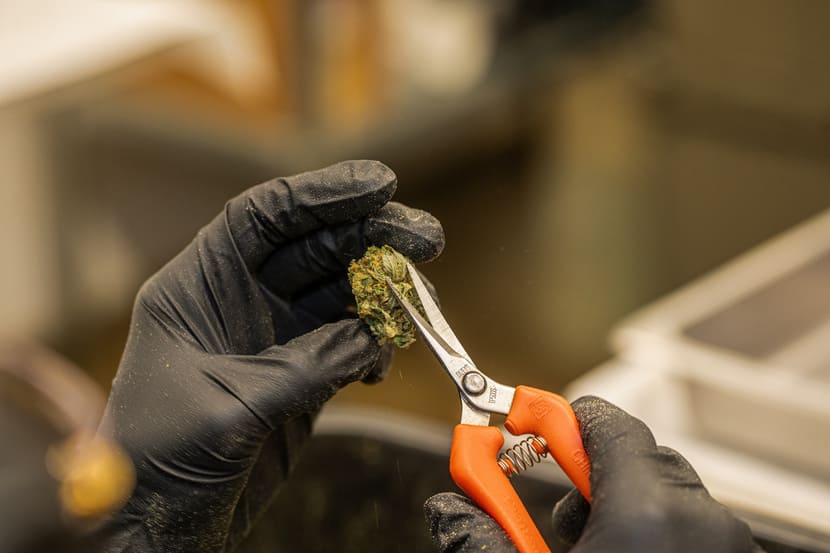
What used to feel like open access now feels more selective, not because opportunity is gone, but because the rules have changed. Some roles have become crowded. Others are still wide open. And in many places, the industry is still taking shape in real time.
That tension is what people are feeling.
Cannabis isn’t a free-for-all anymore, but it’s not closed off either. It’s somewhere in between, uneven, evolving, and increasingly defined by experience, timing, and specialisation.
And that’s the shift. It’s not a disappearing job market, just one that’s growing up.





Leave a Comment