

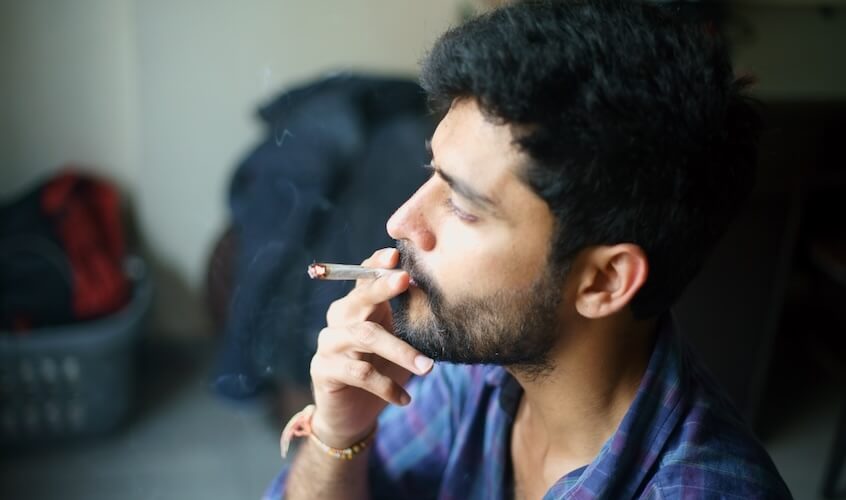
In the neon-lit cafes of Bangalore, the high-rise co-working spaces of Gurgaon, and the creative spaces of Mumbai, a quiet revolution is brewing. For decades, cannabis has remained a hushed conversation, relegated to the fringes of society, or buried within the ancient, dusty pages of religious texts. Yet, today, that stigma is slowly disappearing, a process that has left the institutionalized morality of our times scrambling to keep pace.
What we are witnessing is a massive shift in the Indian collective psyche. What was once perceived through a very rigid prism of deviance is slowly being re-framed by the Indian youth as a symbol of wellness, artistic expression, and counter-cultural identity.
Cannabis is no longer about getting high. It is about a generation that is seeking to reclaim a plant that has been a part of the Indian soil for millennia. Even as the law struggles to come to terms with its colonial hangovers and contemporary social reality, the ‘stoner’ is being gradually replaced by the ‘conscious consumer.’
Historical Context: From Sacred Plant to Social Taboo
In order to understand the significance of the current youth movement in changing cannabis perceptions, we need to understand the whiplash effect that cannabis use has had on India’s history. This is not a nation where cannabis was introduced by Western hippies – it is a nation where the use of the plant is ancient and native.
Bhang and Religious Roots
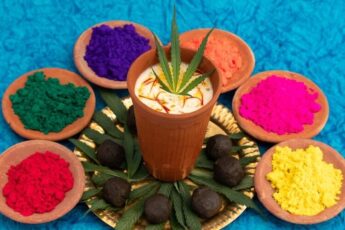
Long before the word ‘marijuana’ even echoed in India through American pop culture, the liquid form or paste of cannabis leaves known as ‘bhang’ was widely used and celebrated.
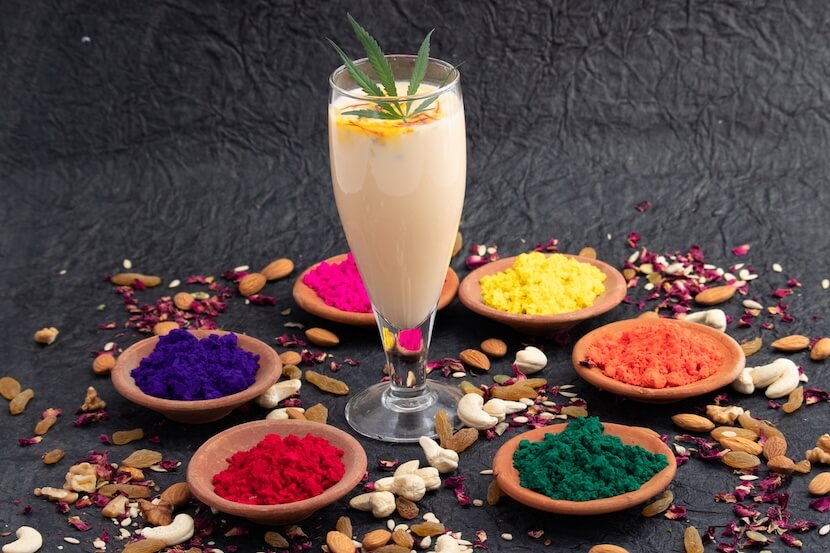
In the Atharvaveda, one of the four sacred Vedas of the Hindus, cannabis is hailed as one of the five most sacred plants on the face of the earth. It is mentioned as a source of happiness and a liberator. It is also the preferred choice for Lord Shiva, the god of destruction and change.
During Holi and Mahashivratri celebrations, the use of cannabis is not only allowed but also encouraged. This gives rise to a unique paradox: the same cannabis can be a symbol of spirituality in a temple but a narcotic in a nightclub.
The Colonial Shift and the NDPS Act (1985)
The loss of bhang’s cultural acceptance and celebration began with the British colonial occupation of India. They were perplexed by the widespread use of cannabis in India and made an effort to control its use with the establishment of the Indian Hemp Drugs Commission in 1893. Interestingly, the commission concluded that moderate use was practically harmless, and prohibition was considered unjust.
However, the real hammer came in 1985, with the Rajiv Gandhi regime. With immense pressure from the United States, as a result of the Reagan-era ‘War on Drugs,’ India enacted the Narcotic Drugs and Psychotropic Substances (NDPS) Act in 1985. This marked a turning point in the history of cannabis in India.
The act heavily penalized the resin (charas) and flowers (ganja) of the cannabis plant, while leaving the leaves (bhang) in a gray area in order to avoid a religious backlash, in essence abandoning its native botanical wisdom for global political correctness.
The Great Disconnect
This historical background has given rise to a strange reality in the modern world.
A man can legally drink a bhang lassi from a government-authorized store in Varanasi, but the same man could be sentenced to ten years in prison for possession of a bud of the same plant in Delhi.
This dichotomy is the basis for the frustration of the modern youth. They do not view the law as a guiding force, but as a relic of foreign occupation that is senseless and illogical.
Cannabis Through the Urban Youth Lens
To the modern Indian millennial and Gen Z, the old ‘Reefer Madness’ cliches of lazy, unmotivated, or criminal users don’t apply. They live in a world where Canada, Uruguay, and half of the US have legalized the plant, and they see the hypocrisy of US law every day.
Experimentation vs. Deviance
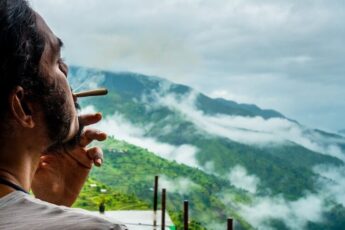
In metro cities, cannabis use is no longer a symbol of a ruined life. It is now considered a lifestyle choice and is often preferred over drinking. The hangover culture of the previous generation is now being replaced by the mindful high.
Furthermore, cannabis is now considered a tool for enhancing experiences, whether it’s for listening to music, engaging in deep philosophical debates, or appreciating art.
Peer Influence and Campus Culture
University campuses in India have always been a place for experimentation. However, the nature of experimentation has changed over time.
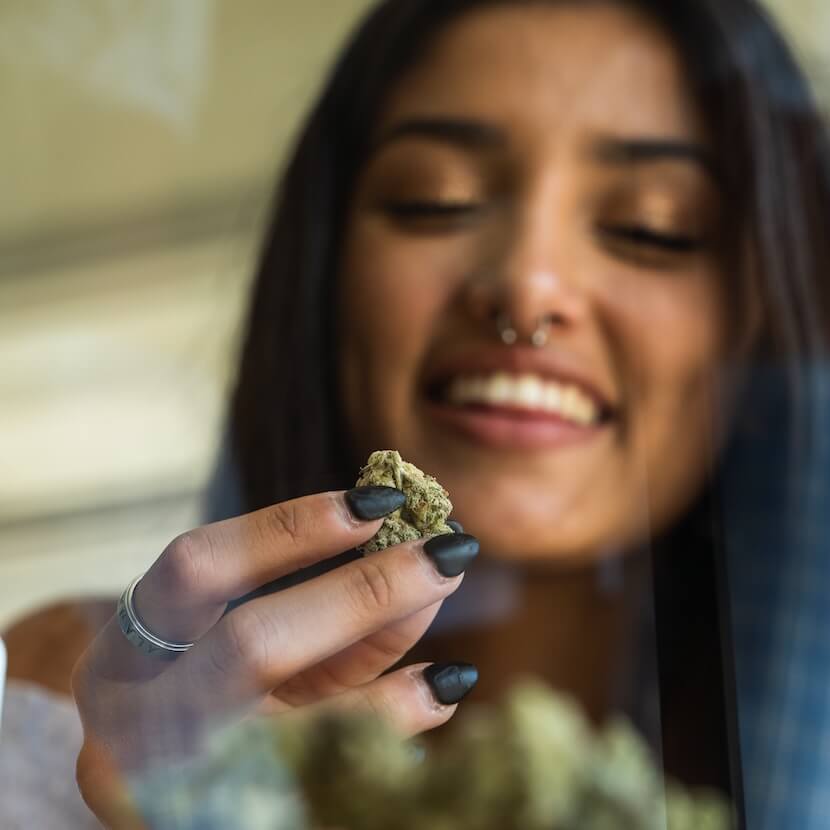
Using cannabis is no longer seen as a rebellious act which takes place behind the hostel in secret. It has become a social lubricant, a way of bonding in an increasingly digital and isolated world, especially in major cities like Pune, Delhi, and Bangalore.
Stress and Urban Pressures
You might say that urban India is like a pressure cooker. Some may call it the ‘urban pressure valve’ for a generation of people who are always on the go. The competitive nature of academic achievement, the pressure of middle-class expectations, and the hustle of corporate culture have created an epidemic of anxiety and burnout.
Many young professionals are using cannabis as a means of unplugging from their environment. Unlike other substances, like alcohol, which are often linked with loud, aggressive behavior, cannabis is a more subdued means of escape.
Pop Culture Influence: Media, Music, and Mainstreaming
If we talk about the internet being the engine of this change, pop culture would be the fuel. The depiction of cannabis in Indian media has undergone a tremendous shift – let’s shed light on this.
Bollywood and the OTT Revolution
In traditional Bollywood movies, if a character was shown smoking, they were almost always a villain, a hippie, or someone who was on a path of self-destruction. However, with the advent of Over-The-Top (OTT) platforms like Netflix, Amazon Prime Video, and Hotstar, there has been a complete paradigm shift.
Shows like Mirzapur, Sacred Games, or Made in Heaven show characters consuming cannabis in an everyday, routine manner. The audience sees their favorite characters, who have jobs and families and a lot to lose, consuming cannabis and still managing to get by.
The Hip-Hop Wave
The explosion of Indian hip-hop (the ‘Gully’ movement) has taken cannabis references to the forefront of the youth lexicon. Hip-hop artists from the streets of Dharavi to the suburbs of Delhi use cannabis as a metaphor for the struggle, the truth, and the vibe. In the global hip-hop culture, cannabis is not depicted as a drug, but as a companion for the creative process.
Memes, Reels, and the Humor Shield
Humor has proven to be the most potent tool in the de-stigmatization process. Instagram, in particular, along with other stoner meme accounts, has made cannabis a democratized phenomenon. When cannabis becomes a meme, the scary factor disappears. When something becomes familiar, it loses its ability to shock or scare.
Digital Spaces and the Cannabis Conversation
Digital activism is the backbone of the reform movement in India. It is the safe haven for the people of the country, as protests on the issue of drug reform are extremely rare.
- Reddit: This has emerged as the town square for the marijuana enthusiasts of the country. Thousands of users here discuss everything, including the quality of the scores available in the area.
- Instagram and X (formerly Twitter): The hemp influencers are using these platforms to raise awareness among the people about the differences between CBD (Cannabidiol) and THC (Tetrahydrocannabinol), the environmental benefits of hemp, and the medical uses of the drug for relieving chronic pain.
- Role of Anonymity: The anonymity of the internet allows even the most prominent citizens of the country, including lawyers and business professionals, to open up about the issue.
Legal Landscape and Gray Areas: A Maze for the Unwary
The cultural vibe is changing to become normalized, but the reality on the ground is still very dangerous. There is a huge gap between how marijuana is bandied about on a podcast and how life-altering the Indian legal system is. To ignore this is to do a disservice to the movement.
Let’s start with the NDPS Act – one of the most stringent laws in India. The complexity of the act has placed the youth in a position of confident ignorance. Under Section 2 of the NDPS Act:
- Ganja: The flowering or fruiting tops (other than seeds and leaves while not accompanied by tops) is illegal.
- Charas/Hashish: The separated resin is illegal and attracts a higher penalty.
- Bhang: Made from leaves and seeds and falls into a gray area of the law. The act excludes leaves and seeds from the term cannabis.
The Youth Confusion
Youths not familiar with the law in India believe that since ‘bhang’ is not illegal, the whole plant is legal too. This is a dangerous fallacy.
Possession of a few grams of buds (ganja) may result in a criminal record and the end of any prospect for a successful career. The Indian government exploits the ambiguity of the act to extort youths, especially those who are not able to defend themselves.
The Rise of Hemp Startups
The ‘Green Rush’ is currently only legal in India through the industrial hemp route. Startups are now legally creating:
- CBD Oils: Used to treat anxiety, sleep, and pain
- Hemp Textiles: Sustainable clothing using hemp fibers
- Hemp Nutrition: Seeds and protein powders
These are important because they are helping to rebrand the plant as a ‘super-food’ and ‘industrial miracle,’ which aligns well with the government’s Made in India and sustainability agendas.
Commercialization and Lifestyle Branding
The cannabis culture is gentrifying in India. We are witnessing a shift from sanyasi culture to wellness culture.
From cannabis-infused rolling papers featuring Indian designs to branded tees, cannabis paraphernalia is flourishing. In Kasol, Goa, and even parts of Bangalore, hemp-infused food cafes are emerging, providing a safe environment for the culture to flourish.
This branding of cannabis is largely influenced by California dispensary styles, featuring a clean, minimalist, and luxurious look, making it more appealing to the upper-middle class.
Health, Mental Wellness, and Misinformation
With normalization comes a new set of risks: the spread of misinformation. A common sentiment among young users is that ‘cannabis is a plant, so it can’t hurt you.’ This is a logical fallacy. Tobacco is also a plant, and so is nightshade.
The lack of standardized education means that many users do not understand the risks of heavy use, such as Cannabinoid Hyperemesis Syndrome (a condition caused by long-term, heavy cannabis use, leading to repeated, severe cycles of nausea, vomiting, and abdominal pain), or the potential for psychological dependency.
The Mental Health Paradox
While many use cannabis to treat anxiety disorders, research now shows that high THC varieties (which are the most common black market varieties) can cause anxiety and paranoia. In fact, for those already susceptible to mental health issues, cannabis can be a catalyst.
Lack of Drug Education
The current ‘just say no’ approach to drug education is not working for the youth of India. When the government does not provide them with any information whatsoever, the youth are left to look for information from untrustworthy sources.
Hence, there is an urgent need for the youth to be educated on the benefits of harm reduction: the dosage, setting in which it is consumed, and the fact that cannabis should not be mixed with other drugs like tobacco and alcohol.
Gender, Class, and Social Perceptions
The freedom to use marijuana is not equally distributed among the social classes of India. A rich IT professional living in a posh area of Whitefield, Bangalore, smoking a high-end vape pen, would never have to face the police. However, a poor student or a poor laborer, on the other hand, would definitely face the brunt of the war on drugs that is happening in the country, as well as the rest of the world.
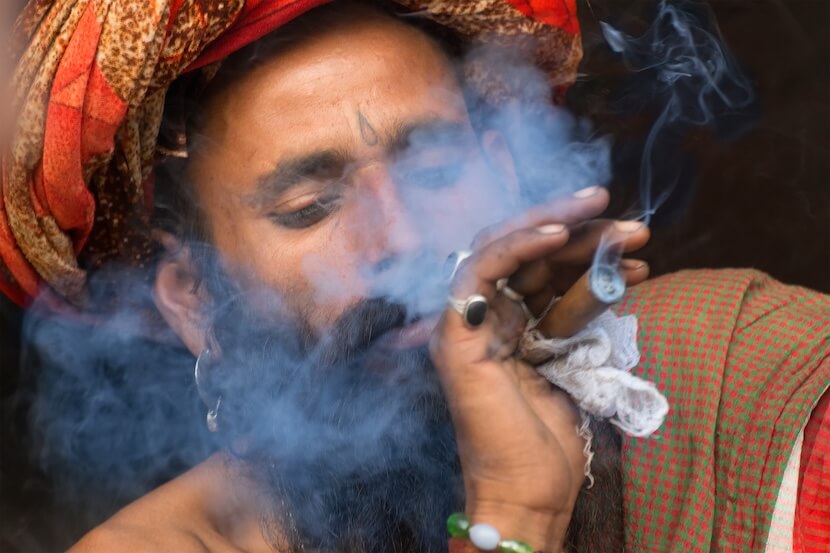
Similarly, women face a double stigma. For a woman, cannabis use is often tied to ‘moral character’ and ‘rebellion’ – the same isn’t true for men. A woman seen smoking a joint is often judged far more harshly by society than a man doing the same.
However, a quiet shift is happening. Female-led wellness circles are increasingly using CBD for menstrual cramps (dysmenorrhea) and PCOS-related pain (Polycystic Ovarian Syndrome). This is highlighting the medicinal value of the plant and reframing its use and potential as a tool for feminine wellness.
The Road Ahead: Reform, Regulation, or Resistance?
As we move forward into the future, the argument is no longer about whether cannabis is ‘good’ or ‘bad’. The question is, as a modern nation-state, how do we deal with something that is culturally intrinsic but legally forbidden?
Decriminalization vs. Legalization
Decriminalization means that possession of small quantities for personal use would no longer be illegal. It would put an end to the criminalization of the youth and make things easier with the judicial system.
Legalization, on the other hand, would mean creating a regulated market, complete with licenses, quality control, and taxation. This would be a massive economic opportunity given the agricultural potential of the subcontinent.
Youth Activism: The Driving Force
A few groups, especially the Great Legalisation Movement (GLM), are working to challenge the NDPS Act in the courts, claiming that the prohibition of the plant is unconstitutional, infringing on the right to health and traditional practices. The youth are no longer simply ‘using’ – they are ‘organizing’.
Conclusion: Identity, Expression, and Policy
Cannabis in India has come full circle. It has traveled from the Vedic fires to the colonial courts, and from the 80s to the Instagram feeds of the 2020’s. The previous generation sees a ‘drug,’ but the younger generation sees a ‘resource.’
To the Indian youth, cannabis is not just a substance – it is a symbol of their freedom. It represents their departure from the structured and judgmental world of their parents and their arrival in a more global, sympathetic, and laid-back world.
India’s treatment of cannabis is the epitome of institutional cognitive dissonance. They see themselves as the ‘Vishwaguru’ (world leader) of ancient wisdom, yoga, and Ayurveda, but also criminalize a plant that was worshiped by their ancestors.
Furthermore, the current prohibitionist model has been a complete failure on every level. Instead of reducing consumption it has simply ensured that consumption happens behind closed doors, without quality control, and with the ever-present threat of police extortion. This has forced millions of otherwise law-abiding citizens to deal with the black market, funding organized crime syndicates.
The Need for a ‘Middle Path’
India needs a unique form of regulation. They should not follow the ‘Big Cannabis’ model of the US, where the only consideration is profit. They should:
- Make it a Public Health Issue, Not a Criminal One: They should change their focus from punishment to education.
- Empower Our Farmers: They have the ideal climate for cannabis cultivation. Rather than importing hemp products, they should empower their farmers to grow the cannabis plant.
- Invest in Research: They should conduct their own clinical trials to understand the effects of the cannabis plant on their demographic and genetic makeup.
The future of cannabis use in India depends on their capacity to hold a balanced and research-based discussion. They need to move away from the stigma imposed by the West and look at their own history from a fresh and modern point of view. The Green Rush is coming; the only question is whether India will be at the helm with wisdom or hide from it under a cloud of outdated laws.




Leave a Comment