

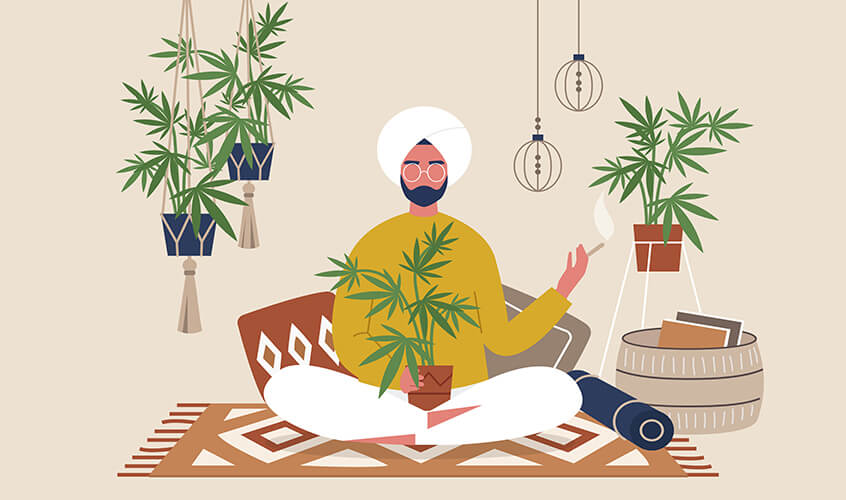
The last ten years have seen cannabis change significantly in terms of its perception in urban India. Something that was whispered about and was considered taboo is now becoming part of mainstream discourse. In major cities such as Delhi, Mumbai, Bangalore, and Pune, for example, cannabis is no longer viewed as something that is illegal but is now being considered a cultural phenomenon tied to lifestyles, creativity, and sometimes even mental health.
Likewise, there is an obvious trend towards the normalisation of cannabis use among younger populations not just for the purpose of pleasure, but also to embrace individual freedom and culture around the world.
That said, this process of normalisation is not always accompanied by legal changes. On the contrary, the legalisation status of cannabis in India is not much different from what it used to be a decade ago. It remains illegal according to specific laws that many Indians simply do not comprehend fully. This creates a gap between what people believe about cannabis and what is actually true in terms of legality, health, and social consequences.
In today’s article, we move beyond simplistic narratives about cannabis and engage with the complexity of the issue. This includes examining the legal framework, the role of commercialisation, the realities of health and misinformation, and the social dynamics that shape how cannabis is perceived and experienced.
Legal Landscape: Understanding India’s Cannabis Laws
The status of cannabis use in India can be described in terms of several general statements, which usually lack validity. However, the origin for all of this is the Narcotic Drugs and Psychotropic Substances Act of 1985 that sets forth restrictions concerning the cultivation, manufacture, sale, procurement, possession, consumption, transportation, etc. of narcotic substances and certain psychotropic substances and provides definitions of various substances and related terms.
The Confusion with Legalisation: Bhang, Ganja, and Charas
The main issue is connected with the definition of what products are lawful and unlawful to produce and sell.
For example, preparations based on cannabis leaves, known commonly as bhang, can be sold freely by licensed sellers. In contrast, cannabis flowering tops (ganja) and concentrated extracts (charas) cannot be produced and distributed without a special permit. Therefore, cannabis is legal only to a degree and can be considered both illegal and lawful depending on the specific case.
Unfortunately, such a distinction is not well-known by many people. People tend to believe that since bhang is legal, then cannabis is partly accepted. This belief is enhanced by the culture and festivals in which bhang consumption is practiced. However, this acceptance only applies to bhang, and failure to understand this can bring about legal repercussions.
Legal Risks and Inconsistent Enforcement
Another point worth considering is the varying enforcement of the laws. Although the law is federal, there may be different levels of enforcement depending on factors such as location, circumstances, and the judgment of the law enforcement officers.
In some cities, the laws appear to be relaxed, especially in private spaces and within some social circles. But again, this does not necessarily mean that the laws apply in all cases. The results of any encounter with the police might be vastly different from one case to another.
This uncertainty is one of the most troublesome aspects of the current approach to legislation. Lack of enforcement or clarity in law leaves people confused, leading to them making decisions based on misinformation rather than facts. The latter is especially true for younger individuals who might not have sufficient knowledge of the potential dangers posed by their actions.
The Industrial Hemp Boom
The rise of industries that deal with hemp-related products complicates the situation even further. Items like CBD oils, fabrics, and other health supplements are being promoted on the Indian market as legal and useful. However, while they are indeed often legitimate, many consumers find it challenging to distinguish between hemp and cannabis, the latter being illegal in India.
Commercialisation and Cultural Normalisation: From Taboo to Trend
Cannabis has become part of urban consumer culture through its integration into a wide array of products and experiences. In the course of commercialising cannabis, it has moved beyond the level of product to becoming a symbol, one of creativity, leisure, and modernity, seen in fashion, design, and music and in social media in particular where it is usually depicted in a glamorous way.

This development is neither random nor isolated. As a matter of fact, it is a consequence of an existing tendency in which counter-cultural symbols are repackaged for wider consumption. With regard to cannabis, this has produced a normalised image of the drug which has very little to do with the actual product itself and more to do with aesthetics and style than knowledge or awareness.
Social Media and the Normalisation of Use
Social media platforms have had their fair share in forming this narrative. Social media has been inundated with memes and reels which showcase cannabis as something harmless or even good to help one get through life. However, these posts might be fun, but they do not provide enough information about risks related to using cannabis or possible legal issues. They also overlook how the effect varies from person to person and is different in different situations.
Western Influence and Urban Aspirations
In this regard, it is important to mention that global influence also affects local perceptions. When talking about cannabis, people who live in countries where it has been legalised know that it is always produced within a legal framework and its use comes along with certain recommendations and controls. This culture also finds its way into India, but the mechanisms behind the scenes remain unaccounted for in this case.
The gap between expectations and reality created by this situation is rather significant. Urban cannabis users of India might not be aware of the difference between cannabis use in countries which have legalised it due to influence from the media.
Marketing Cannabis and Bold Claims
The other factor that plays into this belief is the commercial use of hemp and CBD products. The marketing of these products relies on language of well-being and aligns them with other wellness products, such as supplements.
While there are studies backing certain health applications of CBD, marketing practices sometimes make a distinction between science and wishful thinking unclear. Consumers could thus believe that any cannabis product will be beneficial for their health, which is a claim that cannot be made for certain.
Health, Mental Wellness and Misinformation

This brings us to our next dilemma: the connection between cannabis and wellness. This is undoubtedly among the most controversial topics regarding its consumption. In urban India, this dialogue usually emerges from an intersection of scientific data, individual stories, and common myths. While people become increasingly conscious about their overall health, there seems to be an inclination towards easy solutions, which, on occasion, might include cannabis.
Numerous consumers state that they use the substance to overcome stress, anxiety, or insomnia. They tend to exchange experiences with peers, which further reinforces the validity of their practice. Nevertheless, it is crucial to understand that personal accounts cannot be considered universal facts, as what may work well for one individual might not be applicable in other cases and could even pose health risks.
Self-Medication and the ‘Nature’ Narrative
The most alarming trend is that of self-medication. People who lack access to proper mental healthcare might try to alleviate their concerns with cannabis. While this practice may temporarily bring some comfort, it will not solve any problems and could potentially worsen them. For instance, although cannabis might temporarily relieve anxiety in some consumers, it can cause more severe symptoms, such as anxiety or paranoia, especially at high doses.
Another problem is the general perception that cannabis is entirely harmless because it is considered ‘natural.’ However, it should be noted that some substances found in nature are very potent, and their consumption might pose a threat to a person’s well-being. In this case, various factors, including dosage, frequency, and personal sensitivity, play a vital role. Without adequate information, this aspect is frequently overlooked.
The Dark Side of Cannabis Consumption: False Data and Unreliable Information
Several studies conducted in the field of cannabis science have identified numerous hazards posed by cannabis consumption, ranging from impaired cognition and addiction to mental health consequences. In particular, adolescents are especially vulnerable due to ongoing brain development. Nevertheless, such data is not actively disseminated to the general public.
This lack of reliable information results in the rapid dissemination of false data. In the absence of educational initiatives in drug prevention, people rely on unverified resources, such as word-of-mouth information exchange, social media, and other non-systematic means.
Solving this problem entails changing the approach to delivering information. It shouldn’t be done using threats or moral preaching; instead, it should be based on education that would be both informative and unbiased. People should have all the necessary information to make educated choices.
Social Dynamics: Unequal Experiences and Hidden Realities
The use of cannabis in Indian urban areas and among the youth does not take place in isolation. Instead, it is heavily influenced by social elements such as gender and class, alongside environmental factors that have a bearing on perceptions of its use. These social dynamics are largely overlooked during discussions surrounding cannabis use in urban India; however, they form an integral part of any comprehensive assessment.
Gender and Cannabis: Unequal Judgments
Gender is among the most critical social elements influencing cannabis consumption. Whereas the use of cannabis among men can be tolerated within a social circle, women might be subjected to greater levels of social disapproval.
This trend stems from the stricter regulations governing female behavior within Indian society. In the case of women using cannabis, they might attract social stigma that goes beyond the substance itself into all other aspects of their lives.
Safety Concerns and Social Settings
Safety is another element that should not be overlooked. Social gatherings involving cannabis use pose additional safety risks to women, especially when these gatherings do not take place in regulated environments.
Furthermore, social class has an equally influential bearing in determining experiences. Individuals from richer families will find themselves with access to exclusive places and networks that shield them from any legal problems. On the other hand, individuals from poorer backgrounds will find themselves more exposed to the law and its stringent measures.
This presents the problem of treating individuals the same for similar actions depending on their socioeconomic standing. It reveals the problem of the legal system, where the law is intended to be equal for all, yet in reality, it has been observed to mirror social order.
The Road Ahead: Moving Toward a More Informed Future
With cannabis use becoming more apparent in urban India, it is imperative to speculate about what could happen in the future. There is a discourse that revolves around the topic of policy change, which may be spurred by changes in attitude and trends in other parts of the world. Nevertheless, any drastic shift is unlikely to happen quickly due to various factors.
Bridging the Gap Between Education, Culture, and Policy
Firstly, cannabis legalisation in India will hinge on closing the gap between perception and reality. It is essential to increase awareness about cannabis, clarify laws and regulations related to its use, and engage in meaningful conversations regarding the matter. Otherwise, cannabis normalisation may continue intensely, leading to misconceptions and harm to users.
The ideal approach towards cannabis legalisation in India will acknowledge the advantages and dangers associated with the drug. As such, it will eschew extreme positions and rely on rational decisions made based on sufficient information and guidance. The process will require cooperation between legal representatives and healthcare providers.
The Role of Healthcare Providers
Medical professionals must shift from a stance of moral judgment to one of harm reduction. By providing evidence-based information on the physiological impact of tetrahydrocannabinol (THC) and CBD, healthcare providers can help users distinguish between ritualistic use and problematic dependency.
Clinical guidance ensures that those seeking the drug for therapeutic reasons, such as chronic pain or epilepsy management, do not fall prey to unregulated, hazardous street products.
The Responsibility of Legal Representatives
Legal professionals play a critical role in demystifying the Narcotic Drugs and Psychotropic Substances (NDPS) Act. There is significant confusion regarding the legality of bhang versus ganja or charas.
Clearer legal advocacy can protect citizens from exploitation and push for policy reforms that reflect modern urban consumption patterns, ensuring the law serves as a framework for safety rather than just a tool for stigmatisation.
Social Media: The Digital Educator
In the age of viral misinformation, social media influencers and platforms have a responsibility to sanitise the narrative. Rather than glamourising ‘stoner culture’ or demonising the plant entirely, digital spaces should be used to disseminate bite-sized, verified data:
- Educational campaigns can debunk the ‘gateway drug’ myth while simultaneously highlighting the real risks of adolescent brain development and mental health triggers.
- Integrating the expertise of doctors, lawyers, and digital communicators, India can foster a mature environment where cannabis use is handled with intellectual honesty and public safety at the forefront.
Overall, the objective should not be about encouraging or discouraging cannabis use. Instead, the focus should be on ensuring that individuals are equipped with sufficient information and options when making informed decisions about the drug.
Final Thoughts: Navigating Cannabis Use in Urban India with Awareness
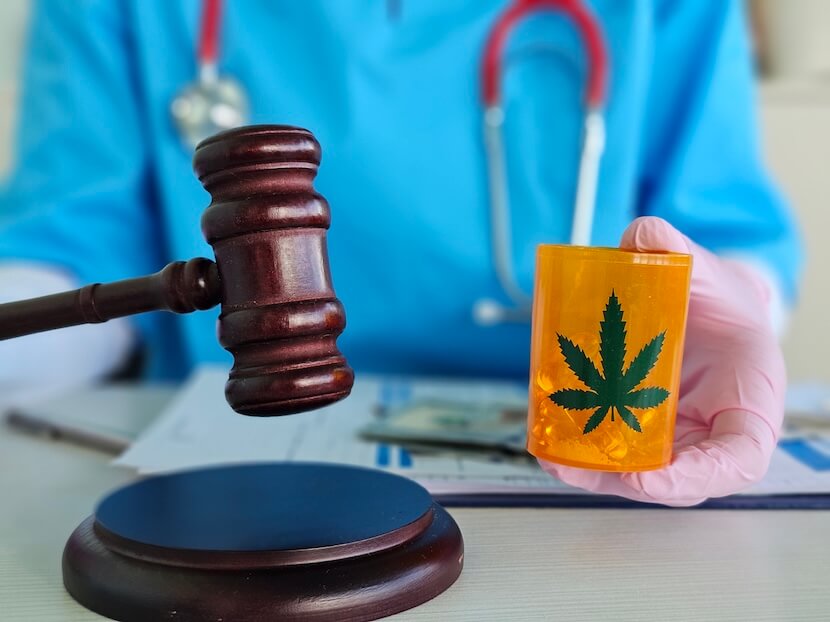
In conclusion, cannabis use in India is both dynamic and multidimensional. It is an expression of cultural shifts and global influences. It highlights the inadequacies in laws, education, and knowledge surrounding the drug. The growing prevalence of cannabis calls for increased awareness about its effects, uses, and potential dangers, otherwise the problems linked to cannabis use will persist.
What comes first from this situation is the necessity to remove stereotypes regarding the drug. Cannabis use is a reality in our world and should not be ignored. Instead of perpetuating misunderstandings about its safety and possible dangers, we should try to find out more about this drug and its possible applications. Depending on various factors, its impact might vary greatly.
To effectively navigate the shifting landscape of cannabis in urban India, a multi-sectoral approach is essential to bridge the gap between ancient cultural acceptance and modern scientific reality. This transition requires more than just passive awareness – it demands the active participation of institutional truth-tellers, healthcare workers, and social media enthusiasts.
By integrating scientific rigor with legal transparency and honest social discourse, India can foster a mature environment where cannabis awareness isn’t just a buzzword, but a foundational pillar of public safety and social responsibility.




Leave a Comment