

India is the ancient heartland of cannabis. The plant is woven into spiritual, medicinal and cultural life for millennia. Cannabis has been written about in the Vedas, celebrated in Ayurvedic medicine, and revered in Hindu mythology as part of the Shiva tale. But in the 21st century, India, the land of bhang, ganja, and charas, essentially finds itself shut out of the economic explosion happening around the world in the cannabis industry.
Whilst countries without such a history have successfully created a regulated industry, an export market, garnered tax revenues measured in the tens of billions of dollars, and created tens of thousands of jobs, India’s regulatory environment remains quite restrictive.
Whilst the global cannabis market grows exponentially, predicting a market which will rise from scores of billions of dollars to hundreds of billions by the year 2030, India’s inability to unlock its potential means billions of dollars in lost tax revenues, millions of jobs that could have been created, and a brain drain of cannabis enthusiasts looking elsewhere.
Global Cannabis Leaderboard: India vs. the World
Across the globe, cannabis markets have been undergoing a transformation towards different patterns of regulation. There has been full legalisation of adult and medical use, coupled with robust regulation, in some nations, while others have adopted reduced medical regulation and industrial hemp regulation.
To put this into context, below is a table comparing a few countries/regions, both in terms of market opportunity as well as regulations adopted by them:
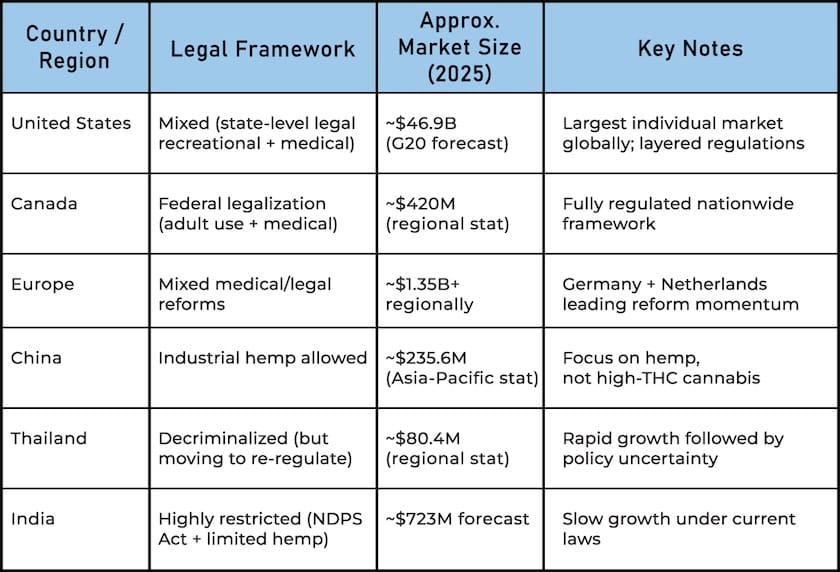
Although the Indian cannabis market appears to have a moderate potential for growth given the current regulatory systems in the country, it remains relatively small and emerging when compared to the world’s largest cannabis market leaders, such as those in North America and Europe.
Further, the cannabis/hemp market, which encompasses medicinal, recreational, and industrial sectors, is supposed to attain a market value of over $400 billion by mid-2030, according to some market research groups, owing to the increased legalization of cannabis/hemp as well as market diversification in the fields of wellness, medicine, and industries.
The contrast is striking: a country with a rich cannabis heritage stretching back many centuries commands less than 1% of the emerging global market.
Analysing Lost Revenue
Given that India possesses diverse agro-ecological zones and has practiced wild growth of cannabis in many districts of northern and central India for decades, a prime opportunity awaits to provide the international market with hemp and cannabis biomass with low THC levels.
Northern parts of India, including Himachal Pradesh, Uttarakhand, and parts of Uttar Pradesh, have wild growth of cannabis, which has traditionally been an integral part of the economic system in those areas.
Yet, decades of prohibition and a narrow regulatory framework have meant that most of this potential still lies untapped. What passes for the Indian cannabis regulatory environment, primarily in the form of the Narcotic Drugs and Psychotropic Substances Act of 1985, effectively prohibits the sale and production of cannabis resin and flowering tops, and permits the limited use of cannabis leaves and industrial hemp.
The lost opportunity is two-fold:
Tax Revenue and Formal Inclusion of Economy
Taxation and the licensing of cannabis in countries with regulated markets have raised an immense amount of public revenue. On the one hand, Colorado alone has gathered hundreds of millions of dollars in tax revenues from marijuana in recent years. In contrast, the revenue capture from cannabis in India, under its restrictive system, is negligible and uncoordinated, with much of the market remaining informal or underground.
Even the conservative estimates of annual revenue from a regulated, taxed cannabis sector in India are huge, considering a population base of more than 1.4 billion and growing domestic consumer interest.
Export Markets
Demand is constantly on an upward track for both cannabis and hemp products globally – from medical oils, extracts, and pharmaceuticals to the fibers and bioplastics. Export markets for legal cannabis biomass, medicinal formulations, and industrial hemp products are fast-expanding in North America and Europe and across a swathe of Asia.
India’s failure to cultivate and export under a well-articulated national strategy means it’s losing out to countries with more developed systems.
Meanwhile, scores of Indian cannabis entrepreneurs and startups are moving their businesses–formally and informally–where there are friendlier regulatory regimes like Dubai, Singapore, Canada, or Europe in order to be part of the global trade.
The Global Supply Chain Race: Where India Is Already Falling Behind
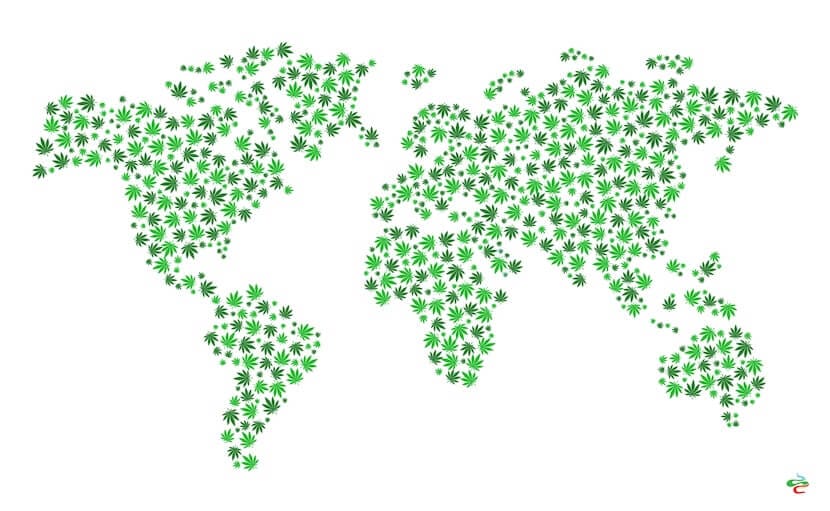
The cannabis industry is no longer only about growing a plant. It’s about a highly sophisticated international supply chain with genetics, extraction techniques, pharmaceutical manufacturing standards, brands, logistics, and intellectual property.
Countries that are moving early are gaining long-term advantages, such as:
- Canadian and European companies dominate in the field of exporting medical cannabis and GMP-certified production.
- Brands are dominated by American companies for branding, retail formats, and product innovation (edibles, vapes, beverages, wellness products).
- The supply chain of hemp fibers and CBD is dominated by Chinese manufacturers
- Research centers in Israeli and European countries lead in clinical trials and pharmaceutical applications.
This will provide a greater challenge to newcomers when these supply chains mature. There is a significant chance that India could enter this market not as a leader, but rather as a low-margin supply of raw materials or, worse still, an importer of finished solutions built on genetic and intellectual expertise that is homegrown.
Human Capital: Missing the Job Boom
Apart from tax revenue, the cannabis market has also demonstrated promise as a major job creator in countries where the product is legal. The jobs created range from agriculture (cultivating and reaping), processing (CBD oil extraction and tincture production), as well as retail and hospitality services.
Agricultural Impact
Cannabis and industrial hemp have been proved to ensure greater revenue per hectare when compared to other conventional cash crops in lesser input and water use. In the case of agrarian distress in India, cannabis under the regulated umbrella of hemp can prove to be a valuable option for Indian farmers compared to the water-intensive option of cultivating cotton.
Tourism and Services
In Thailand, the first decriminalisation of cannabis resulted in the emergence of thousands of dispensaries, along with “ganja tourism,” which received both domestic and worldwide patrons. There were reported tens of thousands of cannabis-associated business ventures that launched in a short span, boosting tourism.
While the recent shift in policies of Thailand indicates a move towards a tighter stance, the overall stimulation of the economy due to the legalisation of the cultivation of cannabis is a reflection of the impact a coordinated approach can have, which is lacking currently in India.
The Napa Valley of India
Regions such as Himachal Pradesh, Uttarakhand, and parts of Jammu and Kashmir possess a climate that can support cannabis cultivation. With proper branding and regulation, these regions hold tremendous potential to grow into cannabis and hemp cultivation centers of excellence, similar to Napa Valley.
Nevertheless, without proper legal frameworks, licensing, and incentive for investment, these potentials remain largely at the speculative stage.
The Research and Innovation Vacuum
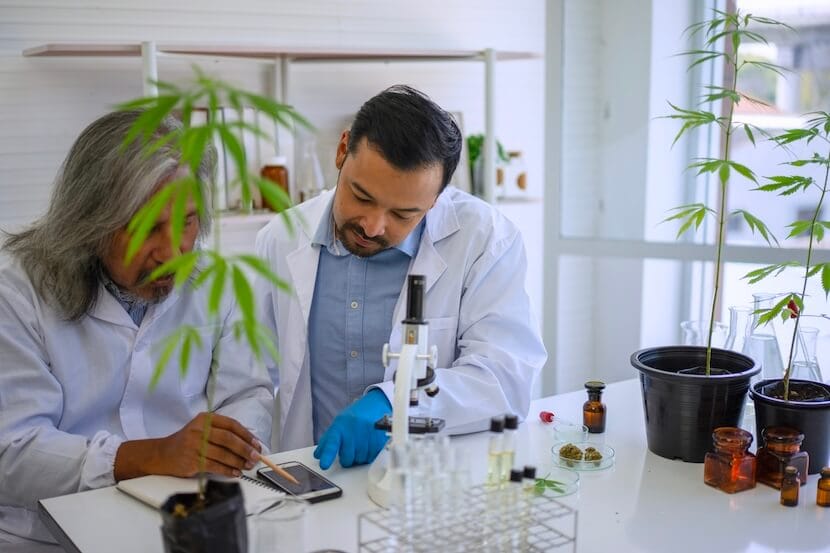
Although the North American region and some parts of Europe are investing heavily in researching the therapeutic uses of the drug, the Indian research sector has lagged due to legal ambiguities and limited funding.
Research into compounds like cannabidiol, and its use for various medical conditions such as epilepsy, pain, and multiple sclerosis, among others, is advancing in other countries outside India. The Western companies have already started patenting new compound forms and uses based on cannabis derivatives, while Indian scientists are facing difficulties in researching cannabis due to drug policies and a lack of research approvals.
Additionally, the strict limits on THC content prevailing in India, typically fixed at 0.3% in the case of industrial hemp, restrict the development of competitive international or pharmaceutical-grade products. The lack of clear provisions on intellectual property rights is an impending threat to the Ayurvedic uses of cannabis.
Therefore, the vacuum scenario arises, in which, while the West establishes brands, patents, and conducts clinical research, India appears to be on the sidelines.
Barriers to Global Cannabis Boom: Why Is India Stuck?
Mentioned below are some key factors restricting India from becoming a part of the growing cannabis industry:
The NDPS Act (1985): A Law That Criminalised the Flower But Spared The Leaf
The NDPS Act was framed in the year 1985, and it criminalised cannabis resin and flowers, while permitting the use of cannabis leaves and seeds, also known as bhang. This divergence in the law and the lack of clear permissions for the farmers about the legal use of cannabis have resulted in confusion, and in most cases, the law is applied in a prohibiting manner.
The Disconnect Between “Bhang” and “Ganja”
From the cultural perspective, bhang, which is made up of cannabis leaves, is accepted and consumed during festivals such as Holi. However, the other product, ganja, composed of the flowering tops, is highly stigmatised and prohibited.
Licensing Nightmares and the Absence of a Central Cannabis Board
In some countries, such as Canada and the US, various state or federal authorities facilitate licensing encompassing quality control, seed-to-sale tracking, and public safety.
In India, licensing, wherever present, can be compared to a patchwork, where every state has its own and there is no degree of transparency, discouraging entrepreneurs and investors. There is no formation of a regulatory agency that does not allow a proper strategy for cultivation, research, export, etc., and this decentralisation makes the policy formulation very weak.
The Green Economy India Is Ignoring
While cannabis, particularly industrial hemp, is not just a crop that’s used in the context of medicine and wellness, there is a growing recognition of the crop’s place in a new, green international economic order moving away from fossil fuels.
Hemp has many uses, from textiles and ropes to paper and plastic, as well as auto parts and building materials. In comparison to cotton, hemp not only requires much less water and pesticides but also grows faster in warm climates.
In relation to India specifically, where water and land shortages plague many farm regions, this is not an insignificant advantage, but a significant one. India, which has a large textile industry, can also incorporate hemp into various blends and types of textiles.
India’s construction industry can also benefit from hemp-based materials, which can insulate and provide an eco-friendly option. India’s packaging industry can also be helped to move away from its reliance on plastics by introducing hemp-based polymers.
Case Studies: How Late Movers Still Won
One of the most pervasive myths within policy circles is that ‘India is too late’ to benefit meaningfully from cannabis reform. History shows quite the opposite.
Several countries have entered the legal cannabis space relatively late-or after long periods of prohibition-and still managed to build strong domestic industries by way of smart regulation, focusing on exports, and research.
Germany is a powerful example of this. For years, it kept a very controlled medical cannabis system, with most supply imported from Canada and the Netherlands. But once domestic cultivation was legalised under a structured tender system, Germany rapidly became Europe’s largest medical cannabis market. Today, it is positioning itself as the pharmaceutical and clinical research hub of European cannabis, with a focus on GMP-certified production, hospital distribution and insurance reimbursement models. Germany did not rely on climate or tradition – it relied on regulation, standards, and integration into its healthcare system.
A second case study of a country that has taken a very different approach to cannabis legalisation and decriminalisation can be found in Thailand, the first country in Southeast Asia to decriminalise cannabis. Although its official position has shifted to one of greater regulation, its decision to decriminalise cannabis created an enormous wave of entrepreneurship almost immediately, with tens of thousands of new businesses launching across categories from farming to cafes, clinics, and wellness stores. Thailand has proven that cannabis can indeed drive tourism, agriculture, and small business with fewer regulatory obstacles.
Historically, Morocco has been known to produce illicit cannabis resources. However, the country has legalised cannabis production for medicinal and industrial purposes. The government’s aim is to turn an illicit unregulated economy into a legalised export sector, not only to benefit local farmers but to attract foreign investors while boosting government revenue. This is almost the situation in India as far as a few hill states are concerned.
This is the simple lesson for India: you do not have to be first to win. You need clarity, credibility, and consistency in regulation. With its scale, scientific talent, and manufacturing base, India could still carve out leadership in medical cannabis, industrial hemp, and wellness products-even if it never becomes a recreational cannabis hot-spot.
What India Must Do
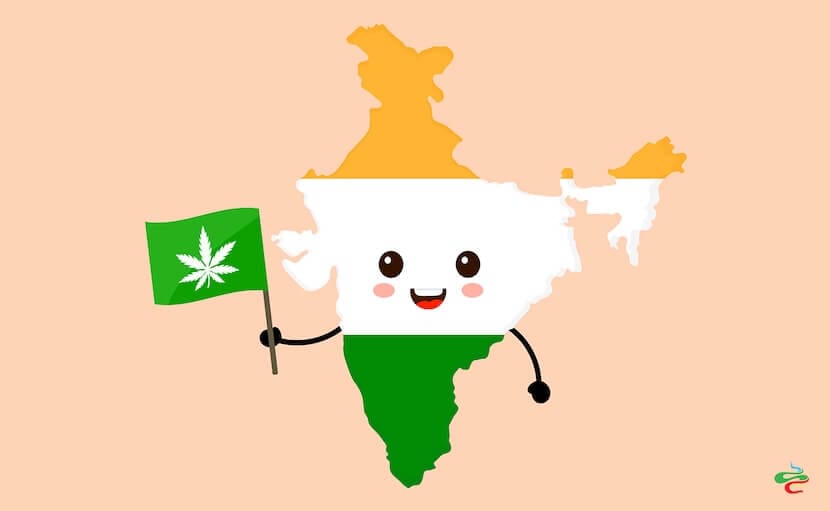
In order to catch up with the cannabis boom happening globally, India must implement the following policies, regulations, and research strategies:
Transition to a Seed-to-Sale Regulated System
Seed to sale regulations, such as those adopted in the leading cannabis markets around the world, trace every single cannabis plant from cultivation, processing, and sale, ensuring non-diversion into the illicit market.
Adopting similar systems in India can promote transparency, instill confidence among investors, and improve tax revenues.
Separating Industrial Hemp vs. Medical Cannabis
Industrial hemp (low THC, used for fiber, seeds, and oil) has a myriad of uses, ranging from textiles to bioplastics, construction, and more, with little potential for psychoactive effects. Industrial hemp cultivation has strong potential for boosting employment and trade, particularly in central and northern states that have the climate to support it.
Moreover, medical cannabis should be regulated according to healthcare policies, ensuring the safety of patients and research integrity.
Formulating Public Health Policies for Harm Reduction
One of the emotionally charged aspects of cannabis policy is that of public health. One of the arguments made, or rather pushed, by opponents of policy change is that it can lead to increased levels of addiction, poor mental health, and even social deterioration.
Moreover, cannabis in India is unregulated under the prohibition regime. People who choose to consume it have no way of knowing the strength, levels of impurity, or adulterants in the substance they are taking. There is no dosage schedule, no education of the consumer, and no quality control. This is the exact opposite of how modern public health policy deals with potentially hazardous substances.
In regulated markets, the government can:
- Set age limits and their enforcement
- Control potency and labeling
- Mandate testing for pesticides, heavy metals, and other contaminants
- Fund public education and harm reduction
- Train doctors and pharmacists in medical use and risk management
Leveraging India’s Ayurvedic Heritage
India’s global position as a reliable source in the realm of Ayurveda and traditional wellness products could be used to gain a strong foothold in the overseas market related to global wellness as well.
Regulated cannabis-based products, along with quality and safety data of these products, could be launched in association with Ayurvedic herbal products.
Final Thoughts
The history of Indian dealings with cannabis is long and complex, tracing back to the Vedas and the traditional practice of using it in herbals. However, in the contemporary global economy, the nation is curiously placed on the sidelines of a burgeoning market.
The existing global cannabis market is anticipated by prominent research to grow enormously in the coming decade and beyond, through diverse uses in the medical, recreational, and industrial fields.
Despite its long history, favourable growing conditions, and huge domestic market, Indian policies have currently locked away a huge chunk of this opportunity. This, coupled with fragmented policies, ambiguity, and a lack of research infrastructure, has led to not just lost money and jobs, but also a brain drain of entrepreneurs looking elsewhere for opportunity.
The international cannabis marketplace is growing rapidly and isn’t waiting. Supply chains are emerging, standards are being established, brands are being created, and intellectual property is being secured. By adding another year’s delay, India is in danger of entering that marketplace not as a leader, but as a follower, or as an importer of products based on a crop that’s been a part of India’s culture for thousands of years.
If India does not take a quick decision, it risks being a bystander while the rest of the world builds cannabis products using Indian indigenous seed constituents and traditional knowledge bases, and instead import finished cannabis products manufactured elsewhere in the world. The question now is no longer if India can join the cannabis revolution, but will it possess the political will to join the revolution.





Leave a Comment