

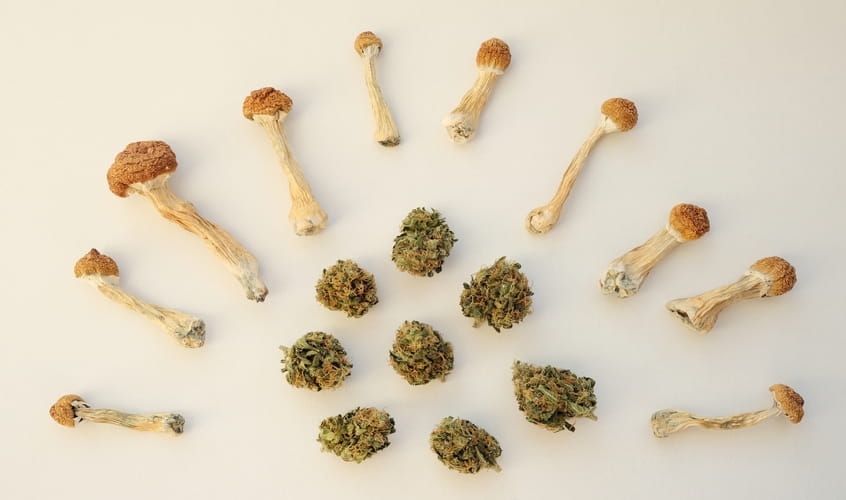
Over the past decade, cannabis has moved from the margins to the mainstream. What was once widely prohibited is now packaged, branded, and woven into everyday routines across many parts of the world.
That shift has become a kind of template for what happens when a prohibited substance becomes accepted by the public. As psychedelics become more legitimate, they’re often discussed through the same lens as cannabis, and framed as the next category poised to follow a similar path from stigma to normalisation.
But cannabis didn’t become mainstream simply because attitudes changed. It scaled because its effects, risks, and patterns of use fit relatively easily into systems that already existed, from wellness culture to consumer markets.
Psychedelics are entering that same conversation, but from a very different position.
While they’re often grouped together with cannabis under the broad idea of “plant medicine” or alternative wellness, psychedelics introduce variables that don’t translate as cleanly into casual use, repeat consumption, or simplified messaging. The similarities are easy to point to, but the differences are what shape how and whether they can scale.
This article looks at why cannabis was able to expand as smoothly as it did, and why psychedelics complicate that trajectory in ways that are harder to standardise, commercialise, or accelerate.
The Conditions That Allowed Cannabis to Scale
Cannabis didn’t scale smoothly by accident. Its rise into the mainstream was supported by a set of conditions that made it easier to adopt, easier to sell, and easier to fit into everyday life.
Those conditions aren’t always obvious, but they show up quickly when you look at how cannabis behaves, both in the body and in the world around it.
Pharmacological Forgiveness
At a basic level, cannabis is relatively forgiving. It can absolutely produce uncomfortable effects, like anxiety or disorientation, but those experiences are usually temporary and tend to resolve on their own.
The duration matters too. Most effects wear off within a few hours, which gives people a clear sense that the experience is contained and manageable.
That sense of “you’ll come back from this” makes a big difference, especially for new or occasional users.
Broad Tolerability
Cannabis also works for a wide range of people without much preparation. Most users don’t need to be screened beforehand or guided through the experience in a structured way.
When adverse effects do happen, they’re familiar: like feeling too high, too relaxed, or slightly off. And they pass. That predictability lowers the stakes and makes cannabis easier to approach.
Social Compatibility
Another reason cannabis scaled so easily is that it fits into behaviours people already have.
It can be part of winding down at the end of the day, spending time with friends, or just relaxing at home with something that isn’t alcohol. It doesn’t demand a specific setting or a particular mindset to “work.”
Because of that, it integrates into daily life without requiring much (if any) adjustment.
Repeatability
Cannabis is also easy to return to. It can be used regularly without requiring long recovery periods or creating major psychological disruption for most people.
That repeatability is what makes it compatible with people’s habits: routine use, predictable effects, and products people come back to again and again.
Shifting Culture
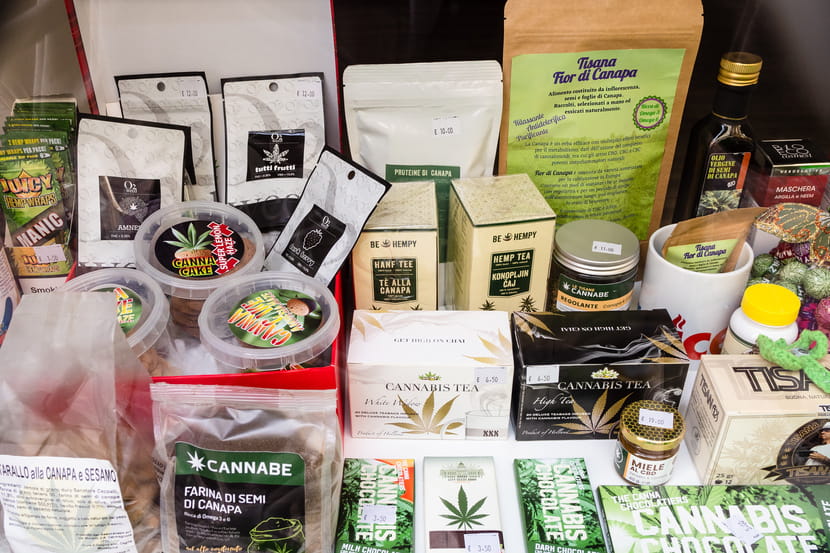
Cannabis was also moving through a broader cultural shift long before formal markets took shape.
In many regions, it had already transitioned from stigma to medical legitimacy and from medical use into wellness and lifestyle positioning. Each step made cannabis more familiar, more discussable, and easier to integrate into everyday life, well before legal frameworks fully caught up.
By the time commercial markets began to expand, much of the groundwork had already been laid. Public perception had softened, demand was established, and the substance had been reframed in ways that made it easier to explain, market, and adopt at scale.
Put together, these qualities made cannabis unusually easy to scale. It didn’t require intensive preparation, supervision, or follow-up to function safely for most users.
It fit into systems that were already in place. And that fit is what made its rapid expansion possible.
The Wellness Industry as a Scaling Engine
As cannabis became more familiar and culturally accepted, the wellness industry amplified the shift.
What had already moved from stigma to medicine to early lifestyle use was now translated into something broader: a product category that could fit into everyday routines, alongside supplements, skincare, cold plunges, and functional foods.
A Market Built for Expansion
The global wellness industry (valued in the trillions) is massive, and constantly searching for new ingredients, formats, and narratives that can be integrated into daily life.
Cannabis arrived at exactly the right moment.
It could be positioned as natural, plant-based, and versatile. It could be infused into oils, capsules, beverages, topicals, and more. And it could be marketed in ways that aligned with existing consumer priorities: stress management, sleep, recovery, and overall balance.
That flexibility made it easy to sell and easy to scale.
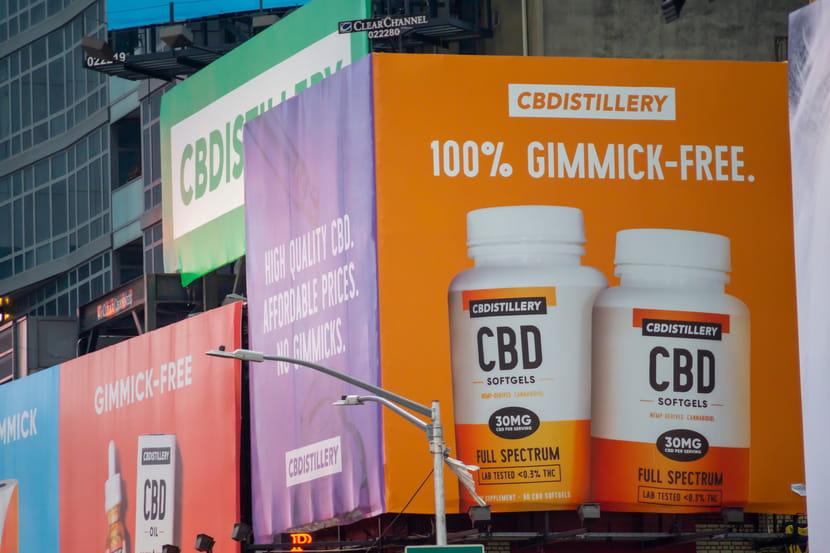
CBD, in particular, became the entry point. It removed the barrier of intoxication while keeping the association with cannabis, allowing brands to introduce the plant to a much wider audience. From there, THC products followed in more controlled or socially acceptable formats, like low-dose edibles and beverages.
The result was a feedback loop: more products led to more visibility, more visibility led to more normalisation, and normalisation expanded the market even further.
Simplification Drives Adoption
The wellness industry doesn’t just sell products, though. It sells understanding.
Complex biological systems are translated into simple, repeatable ideas: balance, regulation, and support. Cannabis fits into this framework unusually well. Its interaction with the body could be distilled into messaging that felt intuitive, even when the science behind it was more complex.
That simplification made cannabis easier to talk about, easier to recommend, and easier to incorporate into daily routines.
And more importantly, it was safe enough to be simplified.
When messaging overstated benefits or flattened nuance, the consequences were usually limited. A person might experience mild discomfort, trial and error, or unmet expectations. And for most users, the overall experience is considered manageable.
That gave the industry room to move quickly, without needing strict guardrails or highly individualised guidance.
Together, these dynamics turned cannabis into something more than a substance. It became a lifestyle product.
It could be branded, personalised, and positioned as part of a daily routine. It could meet consumers where they already were, rather than asking them to radically change how they engage with it.
That’s what allowed the wellness industry to scale cannabis so effectively: it made cannabis familiar, and familiarity is what drives adoption.
But that same approach doesn’t translate as cleanly to psychedelics.
While the two are often grouped together, psychedelics introduce variables that are far less predictable, far less repeatable, and far more dependent on context. The kind of messaging that helped cannabis scale doesn’t just lose precision here. It introduces risk.
Psychedelics Break the Cannabis Scaling Model
Cannabinoids and psychedelics are often grouped together, but they operate very differently.
Both are psychoactive in some form. They interact with perception, mood, and internal experience. But beyond that surface-level similarity, the comparison starts to fall apart.
Cannabis tends to modulate. Psychedelics tend to disrupt.
Psychedelics such as psilocybin, LSD, Ketamine, and DMT are known for altering perception, shifting thought patterns, and, in some cases, dissolving a person’s sense of self. These effects can be meaningful and even therapeutic in the right context, but they are also highly variable and deeply influenced by mindset, environment, and timing.
They don’t behave like something you can casually layer into a routine.
At the same time, psychedelics are entering public conversation through a familiar pathway. Research around mental health, particularly in areas like PTSD, depression, and end-of-life anxiety, has brought renewed attention to their potential. Media coverage, clinical trials, and cultural interest are building momentum.
And where momentum builds, the wellness industry tends to follow.
When Simplification Starts Too Early
We’re already seeing early versions of this translation.
Psychedelic-adjacent products (particularly functional mushroom blends) are being framed in ways that echo cannabis-era wellness messaging: mood support, creativity, clarity, relaxation. These products often sit alongside supplements and daily wellness routines, borrowing the same language and positioning.
In some cases, that framing extends to substances with more pronounced psychoactive effects.
Amanita muscaria, for example, remains legal (or decriminalised) in many regions and is increasingly marketed with benefit-driven language: elevated mood, gentle body buzz, introspective clarity. While it differs from psilocybin pharmacologically, it can still produce altered states of consciousness that are not always mild, predictable, or easy to navigate.
That gap between how something is marketed and how it actually behaves matters.
Because unlike cannabis, psychedelics don’t always stay within the boundaries set by simplified messaging.
Acceleration Without Infrastructure
This dynamic isn’t new. When demand grows faster than regulation or education, markets tend to fill the gap.
Synthetic cannabinoids like Spice and K2 followed a similar pattern, marketed as legal alternatives, widely accessible, and poorly understood. The result wasn’t just misinformation, but real harm driven by a mismatch between expectation and experience.
Psychedelics are different substances, but the structural pattern is familiar.
Interest is rising. Access points are emerging. Messaging is simplifying. And in some cases, products are reaching consumers before clear frameworks for use, safety, or context are in place.
The difference is that the stakes are higher.
Where cannabis misuse might lead to temporary discomfort, psychedelic misuse can lead to destabilisation, especially without preparation, support, or integration.
Why Psychedelics Require Structure to Scale
If cannabis scaled because it fit easily into existing systems, psychedelics challenge those systems at a much deeper level.
They don’t just change how someone feels. They can change how someone interprets their thoughts, their identity, and their environment. That makes the experience far more dependent on context than the substance itself.
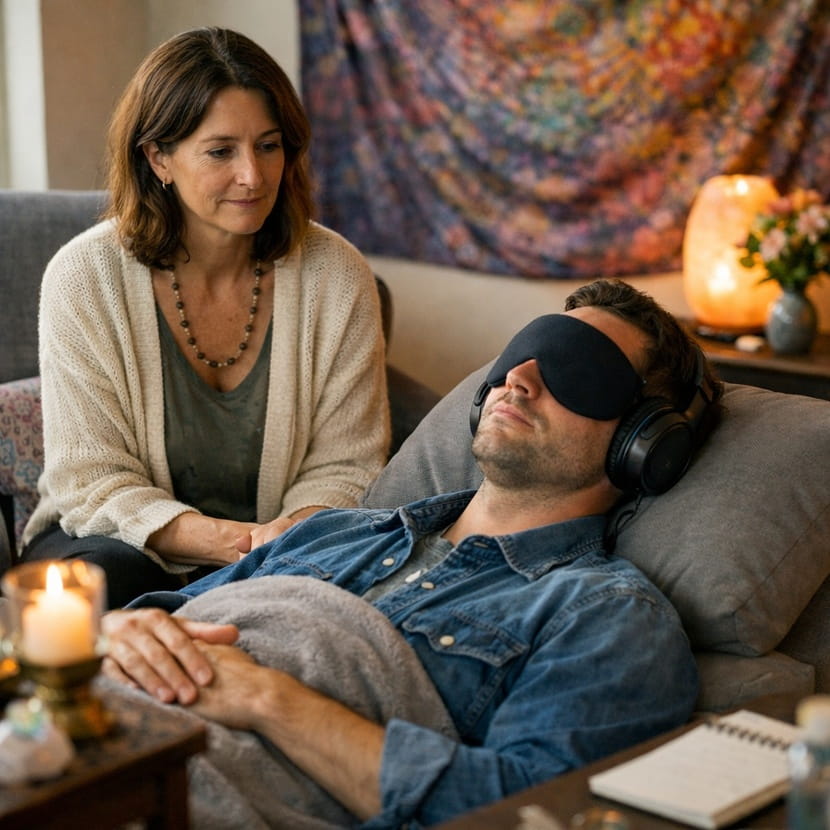
In psychedelic research and traditional use, this is often described as set and setting: a person’s mindset, their expectations, and the environment in which the experience takes place.
Those variables aren’t optional, because unlike cannabis, they shape the outcome.
Preparation matters. Environment matters. What happens afterwards (integration) matters just as much as the experience itself.
Context Isn’t Optional
For many people, psychedelic experiences are not inherently positive or negative. They are intensifiers. They can surface emotions, memories, or patterns that aren’t always comfortable, even if they may be ultimately meaningful in the end. That’s not to say there’s no such thing as a “good trip” or a “bad trip,” but it ultimately depends on the context, mindset and setting.
Without context, the intensity of a trip can become disorienting rather than constructive.
This is why clinical models emphasise screening, guidance, and follow-up. It’s also why traditional practices often involve ritual, structure, and experienced facilitators.
Psychedelics don’t reliably produce the same outcome in every setting. They respond to the internal and external conditions around them.
Friction vs. Scale
These requirements create a kind of friction that doesn’t align with how most consumer markets operate.
Convenience, speed, and volume are core to modern commercialisation. Products are designed to be easily understood, quickly purchased, and repeatedly used with minimal effort.
Psychedelics push in the opposite direction.
They benefit from pacing, intention, and environments that can’t be standardised or mass-produced.
That doesn’t make them incompatible with broader access, but it does make them harder to scale using the same models that worked for cannabis.
Why This Slows Everything Down
To scale psychedelics responsibly, systems need to account for variables that don’t show up in typical consumer products.
Screening, guidance and integration all become relevant parts of the process, and not afterthoughts.
All of this adds time, cost, and complexity, and that complexity resists the kind of frictionless growth that defines most modern wellness-adjacent markets.
Psychedelics don’t resist scaling because they lack demand or potential. They resist scaling because the conditions required for safer, more constructive use don’t compress easily into simplified, high-volume systems like cannabis does.
Where Commercial Models Start to Strain
As interest in psychedelics grows, the question is no longer just whether they will scale, but how.
And more importantly: who gets access, under what conditions, and at what cost.
Right now, there’s no single model that resolves those questions cleanly.
Access vs. Gatekeeping
In many regions, access to psychedelics is emerging through clinical or medical frameworks. These models prioritise safety by screening participants, guiding experiences, and supporting integration afterwards.
But that structure comes at a cost.
Clinical access is often expensive, limited in availability, and restricted to specific diagnoses or programs. For many people, it remains out of reach. What’s designed as a safety mechanism can also function as a form of gatekeeping.
At the same time, more open or self-directed access introduces a different set of tradeoffs.
Some people may have meaningful, even life-changing experiences on their own. Psychedelics may facilitate insight, emotional processing, and a sense of connection without formal structure in certain cases.
But that same experience is not universal.
In someone with underlying vulnerabilities, like certain personality disorders or unmanaged mental health conditions, the outcome can be destabilising rather than supportive. And in many cases, those risks aren’t fully visible until the experience is already underway.
This creates a difficult balance:
- More structure can increase safety, but limit access
- More access can increase reach, but also variability in outcomes
When “Medical” Isn’t Neutral
Even within clinical frameworks, the picture is not entirely straightforward.
The rise of medical wellness (spanning everything from med spas to IV therapy clinics) shows how quickly healthcare-adjacent spaces can become commercialised. These environments often operate under a medical veneer, but are still shaped by market incentives: growth, demand, and return on investment.
Psychedelic-assisted therapies are not immune to those pressures.
As capital enters the space, there is a risk that access becomes “pay-to-play,” with high costs, limited oversight, and evolving standards of care. At the same time, long-term data is still developing, and best practices are not yet universally defined.
Structure alone doesn’t guarantee safety, especially when systems are still being built in real time.
Defining “Safe” at Scale
Underlying all of this is a more fundamental challenge: defining what safety actually means in the context of psychedelics.
Unlike cannabis, where risk profiles are relatively consistent across users, psychedelics produce highly individualised experiences. What is manageable or even beneficial for one person may be overwhelming or harmful for another.
And those differences aren’t always predictable in advance.
Legitimacy frameworks (whether medical, legal, or commercial) struggle to account for that variability. Safety becomes harder to standardise, harder to measure, and harder to guarantee at scale.
The Question of Context
There’s also a deeper layer to this conversation; one that extends beyond modern markets.
Many psychedelic substances have long histories of use within Indigenous and traditional practices around the world. In those contexts, they are not treated as consumer products, but as part of structured systems involving ritual, community, and cultural knowledge.
As psychedelics enter mainstream frameworks, those original contexts are often separated from the substances themselves.
What remains is the compound, but not always the structure that made its use meaningful or safe.
This raises difficult questions about translation and ownership:
- What does it mean to scale something that was never designed for mass consumption?
- What gets lost when context is removed in favour of accessibility or convenience?
- And who benefits from that shift?

No Clean Blueprint
Unlike cannabis, there isn’t a clear path that balances safety, accessibility, and scalability all at once.
- Clinical models can increase safety, but limit reach and introduce cost barriers.
- Consumer access can expand availability, but increase variability and risk.
- Medicalised wellness models can sit somewhere in between, but are still shaped by commercial incentives.
Each approach solves for one problem while creating another.
Psychedelics challenge how substances scale and expose the limits of the systems we use to scale them. And in doing so, they force a more complicated question:
How do we bring psychedelics into the mainstream, and what does the mainstream need to change in order to meet them there?
What Cannabis Can (and Can’t) Teach Psychedelics
Cannabis offers a useful reference point for understanding how substances move from the margins into the mainstream.
It shows how narratives form early, often before regulation catches up. How cultural familiarity builds through repeated exposure, and how industries simplify complex systems into language that’s easier to market, scale, and adopt.
It also shows how quickly momentum can build once those conditions are in place.
The progression is familiar: curiosity becomes legitimacy, legitimacy becomes simplification, and simplification enables scalability. From there, markets expand, products diversify, and access increases, often faster than systems can adapt.
In that sense, cannabis provides a clear example of how normalisation unfolds.
But psychedelics reveal where that model starts to break down.
The same forces that accelerated cannabis (simplified messaging, wellness framing, consumer accessibility) don’t translate as cleanly to substances that are less predictable, less repeatable, and more dependent on context.
What worked for cannabis doesn’t just lose effectiveness here. It introduces friction, and in some cases, risk.
That doesn’t mean cannabis is irrelevant. Its trajectory still offers valuable insight into how public perception shifts, how markets form, and how narratives influence adoption. But it’s an incomplete guide.
Psychedelics are moving through a similar cultural moment, but with different constraints. Ones that existing models weren’t designed to accommodate.
Conclusion: What Scaling Really Requires
Cannabis scaled because it could. It fit into existing systems with relatively little friction, making it easy to adopt, easy to market, and easy to repeat.
Psychedelics, on the other hand, carry real potential, but they also introduce complexity that doesn’t compress easily into simplified messaging, casual use, or high-volume consumer models. The factors that allowed cannabis to scale smoothly are the same ones that don’t translate to psychedelics.
That’s the disconnect.
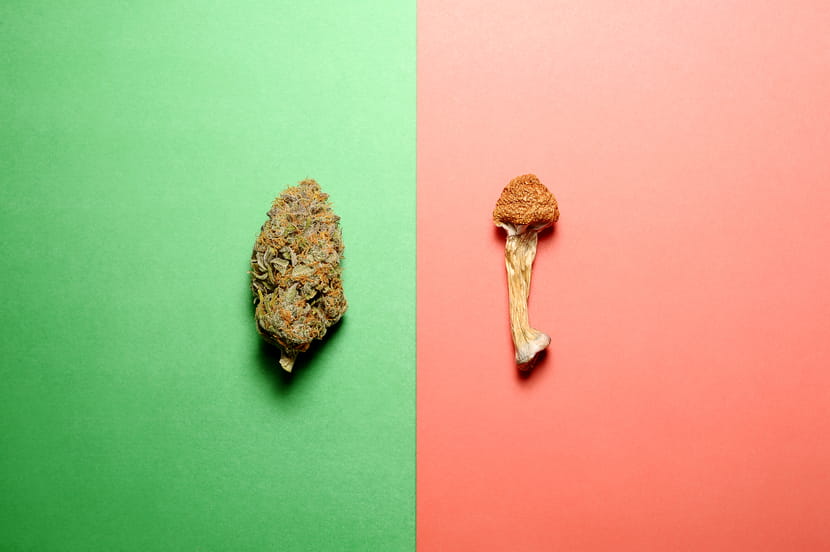
The cannabis scaling model depends on accessibility, repeatability, and simplification. Psychedelics depend on context, variability, and structure. One fits neatly into existing systems. The other asks those systems to adapt.
This doesn’t make one better than the other, but it does explain why their paths forward won’t look the same.
Psychedelics may still enter the mainstream. In many ways, they already are. But if they scale, it won’t be because they followed the cannabis model. It will be because something changed, either in how they’re approached or in the systems built to support them.
And that starts with building systems around the experience, not forcing the experience into existing systems.





Leave a Comment