

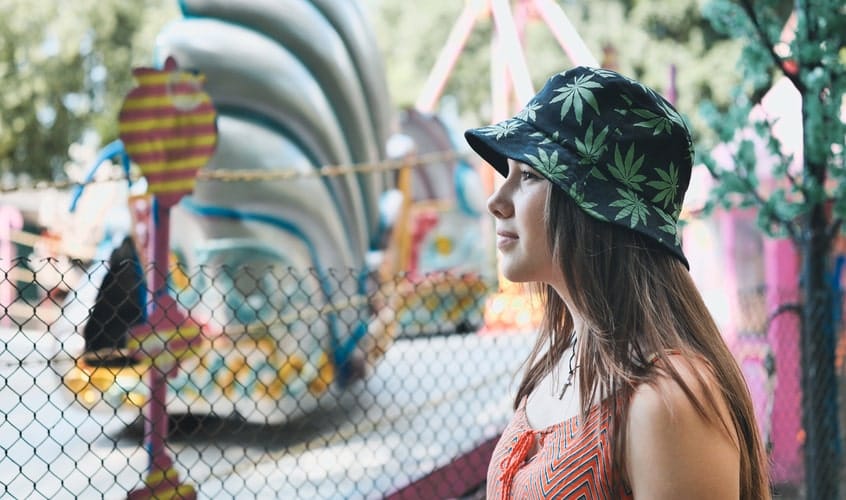
Across much of the world, young people’s drinking habits are changing rapidly. Bars are quieter, beer sales are down, and hangovers are losing their social appeal. In their place, a different ritual is taking hold. One that involves pre-rolls, gummies, and THC-infused drinks shared at the same gatherings that once revolved around alcohol.
For Gen Z, the shift isn’t about rebellion or legality. It’s about comfort, control, and curiosity. They’re the first generation to grow up in a world where cannabis is widely discussed, digitally documented, and in many places, completely normalised. Alcohol, on the other hand, feels like something inherited: a tradition that no longer matches the moment.
But what’s actually driving that change? Is it health consciousness, economics, or something deeper about how this generation experiences stress and connection?
In this article, we’ll look at how Gen Z’s values, environment, and worldview are reshaping the role of intoxication itself, and why, for many, cannabis feels like the substance that makes the most sense right now.
Table of Contents:
- Who is Gen Z, Really?
- The Social, Political, and Economic Landscape They Inherited
- Why Alcohol Isn’t the Default Anymore
- Cannabis As A Conscious Alternative to Alcohol
- Cannabis Use by Age Group: Is Gen Z Really Leading?
- The Bigger Picture
- Why Gen Z is Rejecting Alcohol for Cannabis
Who Is Gen Z, Really?
When people talk about Gen Z, the image often starts and ends with teenagers scrolling through TikTok. But the generation born roughly between 1997 and 2012 now spans a wide range of life stages: students, workers, parents, entrepreneurs, and first-time voters. They’re a generation spread across dozens of cultures, speaking hundreds of languages, and navigating the same hyper-connected world in many different ways.
But what they share is context. Gen Z grew up in an era of nonstop visibility and overlapping global crises. Many were children during the 2008 financial crash, old enough to see how instability rippled through their families. They’ve watched wildfires in Australia, youth protests in Hong Kong, climate strikes in Europe, and racial-justice movements in the United States all unfold live on their phones. Then came the pandemic, which cut across borders and generations, shaping education, work, and social life all at once.
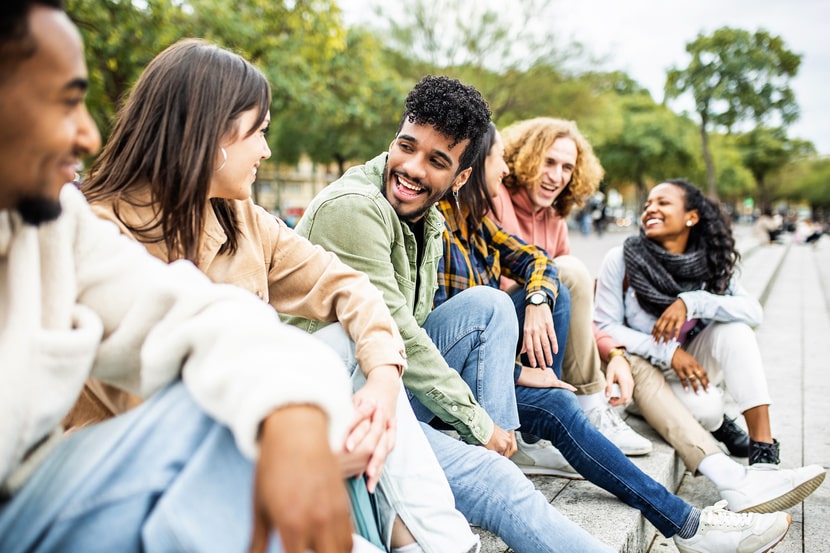
Unlike older generations, they’ve never known an offline world. For millennials, the internet was a place you went: a glowing screen in another room. For Gen Z, it’s something they carry with them. It’s in their pockets, their classrooms, and their workplaces, forcing an endless stream of information, opinions, and emotional noise on them. Studies have linked that constant exposure to higher rates of anxiety, perfectionism, and burnout, particularly among younger teens. Being online is ultimately the background hum of their lives.
That constant connection has made them both deeply informed and deeply tired. They’ve learned to filter misinformation, verify sources, and distrust institutions that claim authority without proof. Transparency isn’t optional; it’s expected. From global brands to local governments, Gen Z wants honesty, clarity, and the ability to make informed decisions on their own terms.
And that carries into how they approach substances. Whether it’s caffeine, alcohol, or cannabis, they want to know what’s in it, how it works, and how it makes them feel. They’re less persuaded by slogans and more by evidence. They research ingredients. They read studies. They seek control.
Around the world, that mindset is visible in the data. In the U.K., fewer young adults report drinking regularly than at any time in modern history. Surveys around the globe all point to similar trends: openness to cannabis, scepticism toward alcohol, and a preference for moderation over excess. Across borders, Gen Z is approaching intoxication not as an escape, but as something to manage with intention.
They didn’t inherit stability and decide to rebel. They inherited chaos and decided to navigate it differently.
The Social, Political, and Economic Landscape They Inherited
Gen Z didn’t enter adulthood in a vacuum. They stepped into an era already defined by economic, environmental, and emotional instability, and they’ve had to adapt in real time.
Economic Pressure
Across much of the world, Gen Z is better educated than any generation before them, but less financially secure. The promise that higher education would guarantee a stable career hasn’t held up. In the United States, student loan debt has climbed past $1.8 trillion, with the average borrower owing around $30,000. In the U.K., university graduates now carry average debts of £45,000. In much of the world, younger workers face similar patterns: higher living costs, slower wage growth, and limited access to affordable housing.
Even in countries with stronger safety nets, young adults report feeling “economically stuck.” The OECD found that homeownership rates among under-30s have fallen steadily since the early 2000s in nearly every developed nation. Add to that inflation, precarious job markets, and the rise of the gig economy, and financial independence starts to feel like a moving target.
This affects more than their wallets. It shapes their social lives. Nights out are expensive. Drinking culture, once tied to celebration and belonging, increasingly feels wasteful and out of sync with reality. Many Gen Zers are opting for smaller gatherings or substance-free activities that don’t carry a financial hangover alongside a physical one.

Mental Health Awareness
Economic uncertainty is only part of the picture, but it’s also one of the biggest drivers of Gen Z’s collective stress. Around the world, the link between financial insecurity and mental health is becoming impossible to ignore. Studies show that young adults facing high debt, unstable housing, or inconsistent income are significantly more likely to report anxiety, depression, and sleep disorders.
Gen Z is living that reality firsthand. Rent is unaffordable, student loans feel endless, and financial milestones like buying a home or starting a family can feel out of reach. That uncertainty shapes their day-to-day well-being. It’s hard to “relax” when stability itself feels temporary.
As a result, this generation has become both the most mental health–conscious and one of the most distressed. The World Health Organisation reports that depressive and anxiety disorders are now among the top causes of illness and disability in people aged 15–29. In the U.K., one in four young people say they experience symptoms of anxiety “most or all of the time.” In Japan, rates of depression have increased 25% in the past decade.
But unlike their parents or grandparents, Gen Z doesn’t hide it. Therapy, antidepressants, mindfulness, and mental health apps are common topics in casual conversation. The stigma has softened, replaced by a shared understanding that emotional wellness is as essential as physical health and that stress is as much systemic as it is personal.
That awareness has changed how they think about coping mechanisms. Alcohol, often marketed as a way to unwind, is now seen by many as a temporary fix that worsens long-term stability. Cannabis, meditation, exercise, and supplements all fit more naturally into a lifestyle built around regulation rather than escape. It’s not that Gen Z avoids stress. They’ve simply learned to approach it differently.
Political Disillusionment
Gen Z grew up hearing that if you worked hard, voted, and cared enough, you could change things. But by the time they reached adulthood, many had already watched governments backtrack on climate pledges, stall on housing reform, and struggle through global crises that never seemed to end.
Across the world, faith in institutions is wearing thin. Surveys from Pew and the OECD show that fewer than half of young adults in major democracies believe their political systems work in the public’s interest. In the U.S., France, and Brazil, that distrust centres on polarisation and corruption. In parts of Asia, Africa, and Eastern Europe, it’s driven by censorship and limited representation. The specifics differ, but the feeling is shared: power feels distant, and decisions are made without them.
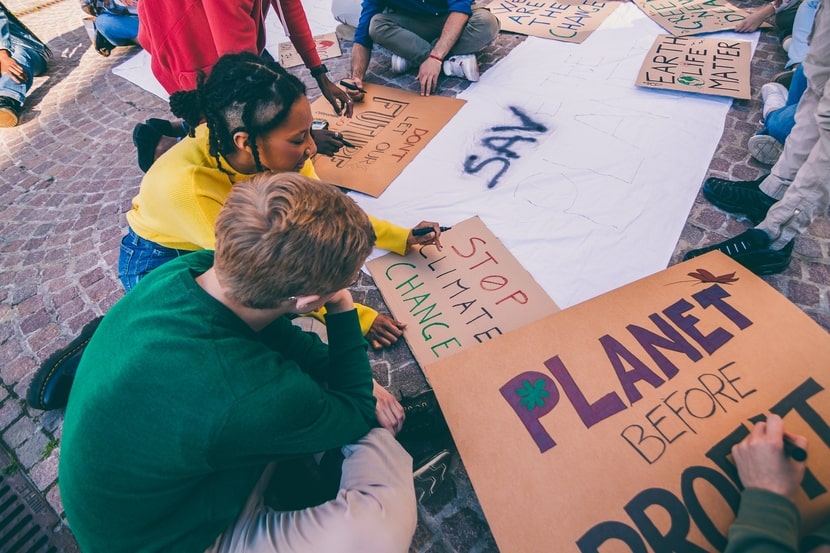
The results are visible. In Nepal, young people played a leading role in recent protests that helped topple a government over corruption scandals. In Nigeria, #EndSARS mobilised thousands against police violence. In Kenya and Uganda, Gen Z–led demonstrations have challenged entrenched power structures, often organised through encrypted group chats and pseudo-accounts after social platforms were restricted. Similar youth-led movements have emerged across Latin America and Europe, from Chile’s education reforms to France’s pension protests.
It’s activism that underscores both hope and exhaustion. This generation is politically engaged, but increasingly sceptical that the systems they inherited can actually deliver change. When progress feels slow or out of reach, cynicism fills the gap.
That sense of disillusionment has shaped how they seek stability. When institutions feel unreliable, control shifts to the personal—what they eat, what they buy, what they consume. Gen Z’s turn toward wellness culture, transparency, and intentional use reflects a desire to influence at least something in an extremely unpredictable world.
That mindset also shows up in how they approach substances. Alcohol, once tied to release or escape, feels mismatched with an era that rewards awareness and restraint. Cannabis, in contrast, offers more room for control. Dose, form, and intention can all be managed by the user.
Environmental Anxiety
Few issues define Gen Z more universally than climate change. They are the first generation to grow up entirely under its shadow, and the last with the potential to meaningfully alter its trajectory. From Australia’s bushfires to Europe’s record heatwaves to rising sea levels threatening Pacific Island nations, environmental instability isn’t abstract anymore. It’s overwhelmingly visible.
A 2021 Lancet study surveying 10,000 youth across ten countries found that over half described themselves as “very” or “extremely” worried about climate change. Four in ten said these worries made them hesitant to have children. Terms like “eco-anxiety” and “climate grief” have entered mainstream vocabulary because Gen Z helped put them there.
That awareness informs everything from the products they buy to the policies they support. They want sustainable options, ethical sourcing, and accountability, but they also live with the quiet dread that individual action might not be enough. The tension between urgency and helplessness fuels a near-constant emotional undercurrent: care mixed with exhaustion.
The Constant Feed
And all of it—every crisis, every debate, every tragedy—unfolds in real time, on screens that never switch off.
Older generations experienced the news through morning papers or evening broadcasts. Gen Z experiences it through push notifications, video clips, and algorithmic feeds that merge entertainment with catastrophe for the views. The boundaries between global events and personal experience blur. Psychologists describe it as ambient stress: the feeling of being perpetually alert to danger, even when nothing’s happening directly to you.
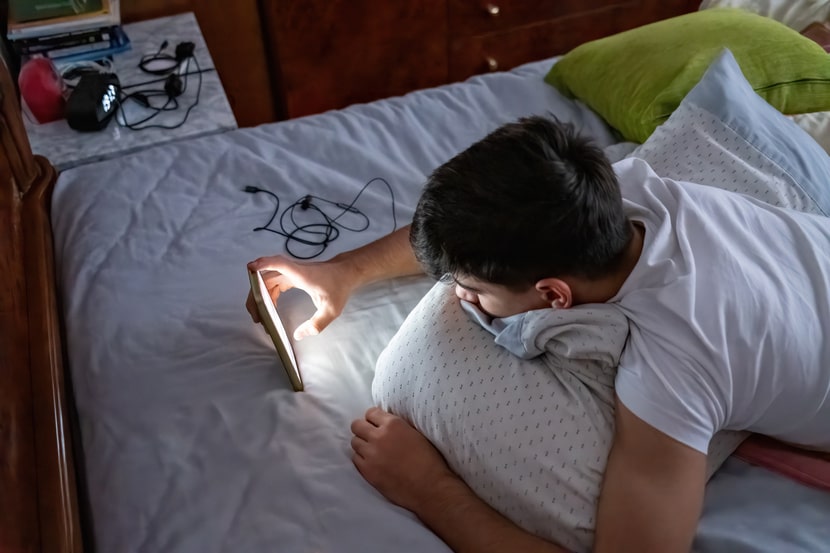
That endless visibility has consequences. Studies link high social-media use to elevated rates of anxiety, disrupted sleep, and loneliness. But disconnecting isn’t easy. For many young people, those same platforms are where they find community, expression, and opportunity.
In this kind of world where everyone is feeling overexposed, overstimulated, and underrested, traditional forms of escape look different. Losing control doesn’t offer freedom; it adds another layer of risk. The need for relief is still there, but it’s more conscious, more curated, and more cautious than before.
Why Alcohol Isn’t the Default Anymore
Given everything Gen Z has inherited, you might expect them to be drinking more, not less. If life feels this uncertain, wouldn’t escapism make sense?
But that’s exactly the point. The world they inherited feels too “unstable” for them to lose control in.
For older generations, alcohol was the pressure valve. It was how you bonded after work, how you celebrated, and how you forgot. For Gen Z, it represents something different: unpredictability, exposure, and aftermath. Their constant connection to the world through the internet plays a major role.
Gen Z Has A Different Relationship With Risk
The idea of “risk” looks completely different to someone who has grown up online. Social media has blurred the line between private and public life. Every gathering, every party, and every mistake has the potential to become content.
That awareness has shaped Gen Z’s approach to nearly everything from friendships and dating to careers and substance use. They’ve seen what overexposure does, not only to strangers but to themselves. A moment of carelessness can turn into a viral post or a professional liability. For a generation that’s learned the hard way that privacy is temporary, losing control doesn’t feel freeing; it feels unsafe.
This mindset overlaps with another generational value: self-protection. Safety isn’t just physical. It’s emotional, reputational, and psychological, too. Alcohol lowers inhibition and blurs boundaries, two things Gen Z has been taught to guard carefully. They’ve grown up watching conversations about consent, safety, and accountability unfold online. The fallout of drunken behaviour, whether it’s assault, regret, or humiliation, isn’t theoretical. It’s visible. And that visibility has consequences. As a result, risk doesn’t feel romantic. It feels exhausting.

The Cost of the Hangover
Beyond the social cost, alcohol takes a physical toll that clashes with how this generation lives. Health and wellness are mainstream. Sleep-tracking apps, cold plunges, therapy, and hydration trends fill the same social feeds that once celebrated bar crawls.
Gen Z is acutely aware of how alcohol disrupts those routines. They know it wrecks sleep, spikes anxiety, and slows productivity. And for a generation that’s already dealing with burnout and overstimulation, the aftermath of drinking (both physically and mentally) feels more like sabotage than relief.
Then there’s the financial factor. Nights out are expensive, especially in cities where rent eats up half a paycheck. Inflation and wage stagnation have made casual drinking a luxury. Surveys across North America, Europe, and Asia show that young adults consistently list “cost” among the main reasons they drink less. When you’re already budgeting for groceries and rent, a $15 cocktail doesn’t feel worth it.
Add in the side hustles, remote work, and creative projects that fill Gen Z’s schedules, and it’s easy to see why the traditional weekend bender doesn’t fit. The hangover isn’t just physical. It’s a productivity loss, a mental health setback, and a reminder that there are better ways to unwind.
Information Changed the Culture
The internet democratised health literacy. What older generations might have learned through experience or cautionary tales, Gen Z can find in a single search.
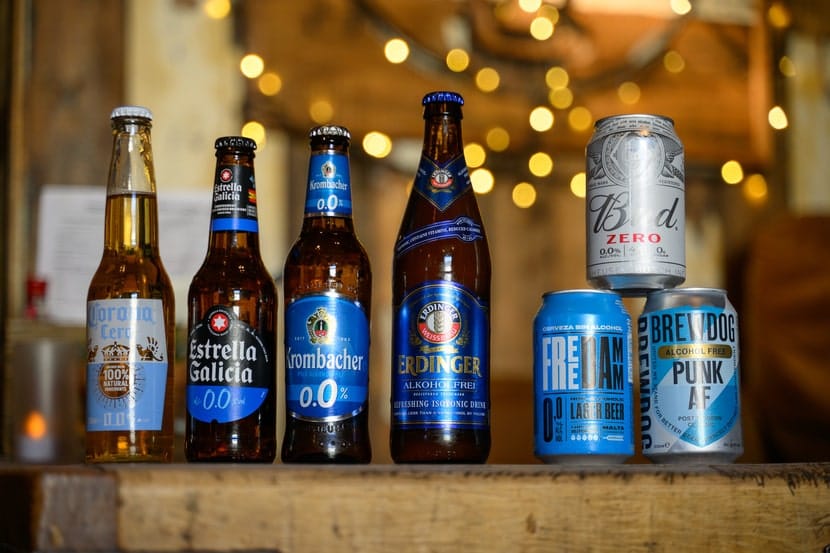
They’ve read about how alcohol affects the liver, sleep, and neurotransmitters. They’ve seen the rising popularity of “sober curiosity” and the growing evidence linking alcohol to increased cancer and cardiovascular risk. Even marketing has shifted: where ads once glamourised excess, alcohol-free brands now position sobriety as aspirational.
In short, Gen Z doesn’t see alcohol as rebellion. They see it as outdated.
That’s reflected in the numbers. In the U.K., 26% of 18–24-year-olds now identify as non-drinkers, compared to just 15% a decade ago. In Australia, regular drinking among under-25s has dropped by nearly 20% since 2013. In the U.S., per-capita alcohol consumption among people under 30 has steadily declined for five years.
They’re not abstaining out of principle; they’re just questioning whether alcohol still serves a purpose in this day and age.
Emotional Safety and Control
For Gen Z, safety and control are recurring themes. It’s not that they don’t want to relax; it’s that they can’t afford to lose awareness.
Alcohol represents surrender—letting go, losing track, getting carried away. Cannabis, mindfulness, and low-stimulation activities represent the opposite: tuning in, feeling present, staying grounded. That difference resonates with a generation that values clarity over chaos.
They grew up in a world that punished impulsivity and rewarded composure. They’ve watched public figures lose careers over one night, one post, one recording. The idea of “letting loose” simply means something different now.
So, when Gen Z chooses not to drink (or chooses something else instead), it isn’t a rejection of joy. It’s a recalibration of what joy looks like. Fun no longer means blacking out. It means balance, intention, and waking up without regret.
Cannabis as a Conscious Alternative to Alcohol
If alcohol is on its way out, something else is quietly taking its place.
That doesn’t mean a full cultural swap or that everyone who used to drink is now getting high. But as alcohol’s social status fades, cannabis is stepping into a space it’s never occupied before. One that blends recreation with intention, indulgence with awareness.
Cannabis fits naturally into a modern world that values customisation, transparency, and balance. It can be measured, controlled, and tailored to the moment. And for many people (especially younger adults), that makes it feel like the more compatible choice.
The Rise of Alcohol-Adjacent Cannabis Products
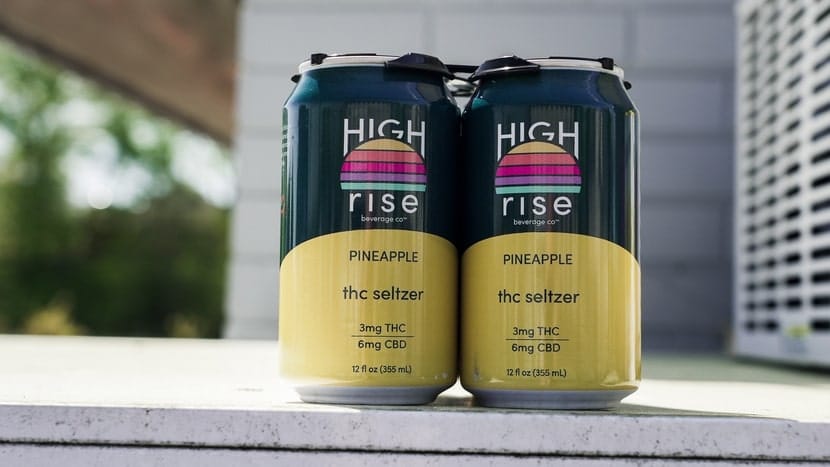
The most striking change is where this shift is happening: not in smoke circles, but in the same spaces alcohol once dominated. THC seltzers, infused mocktails, and even cannabis “beers” are turning up at dinners, festivals, and parties, offering familiar social rituals, just with a different buzz.
In the US and Canada, drinkable THC products are now one of the fastest-growing segments of the legal market. Brands are racing to develop hemp-derived THC seltzers that ship nationwide, blending millennial craft-beer aesthetics with Gen Z’s functional wellness sensibility. Across Europe, low-dose CBD and hemp beverages are gaining traction in the emerging “mindful drinking” movement: a trend that’s part wellness, part cultural reset.
What all these products share is accessibility. They’re familiar. They fit into existing habits. And they deliver a different kind of vibe. One that doesn’t wreck your sleep, skin, or sanity the next morning.
Cannabis Fits the Moment
Culturally, cannabis feels like a better match for how many people live now. It’s customisable: you can microdose or go full-strength, smoke or sip, zone out or get creative. It’s often perceived as more natural and less destructive than alcohol as a plant instead of a chemical, and as a spectrum rather than an on/off switch.
It also doesn’t impair in quite the same way. The effects of low-dose cannabis products tend to be slower, gentler, and easier to navigate, offering relaxation without the same loss of inhibition or control that alcohol offers. For people managing anxiety, overstimulation, or mental fatigue, that subtle nuance matters.
And in the age of wellness culture, cannabis feels modern, where alcohol feels outdated. It’s not about numbing out; it’s about tuning in to how you feel, how you rest, and how you connect.
Functional Highs and Social Use
Cannabis is also becoming more functional. Instead of being associated solely with getting stoned, it’s now part of a broader wellness toolkit. THC drinks or low-dose edibles are used to ease social anxiety, enhance creativity, or wind down after work.
Gen Z in particular has embraced this flexibility. They’re not lighting up indiscriminately, but choosing formats that fit the context. Pre-rolls at a party, a microdose gummy at brunch, or a THC seltzer during game night. Many use cannabis with specific intentions: to sleep better, relax, think clearly, or simply feel present.
That sense of control is key. In a generation that values self-awareness and moderation, cannabis offers an experience that feels deliberate rather than reckless and serves as a way to soften the edges without stepping too far past them.
Cannabis Use by Age Group: Is Gen Z Really Leading?
It’s easy to assume that Gen Z is driving the global cannabis boom, but the data tells a more nuanced story.
Across most Western countries, young adults do use cannabis at higher rates than older generations, but the margins aren’t always dramatic. In the U.S., for instance, Gallup polling shows that roughly one in four adults under 30 report using cannabis regularly. That’s higher than the national average, but not by much.
In Canada, Health Canada’s Canadian Cannabis Survey reports similar trends: usage among 20- to 24-year-olds hovers around 39%, compared to 29% for adults overall. In the U.K., use among people aged 16–24 has actually declined slightly since legalisation debates began.
So, yes: Gen Z uses cannabis, but not at record-breaking rates. The real difference lies in how and why.
A More Informed Generation
Younger Gen Z (those still in their teens) are actually less likely to use cannabis than Millennials were at the same age. That might sound surprising, but it fits a larger pattern: normalisation has replaced rebellion. Cannabis no longer carries the taboo or mystique it once did. For a generation raised by parents who might use CBD for sleep or microdose THC for anxiety, it’s not a boundary to cross; it’s just an option.
This familiarity comes with awareness. Gen Z has grown up with open discussions about addiction, dependency, and mental health. They know cannabis can be helpful, but also that it isn’t risk-free—especially for developing brains. As a result, many younger users approach it with the same research-driven mindset they bring to nutrition, skincare, or supplements: curious but cautious.
The Generational Catch-Up
At the same time, older generations are catching up fast. In the U.S., adults over 55 are the fastest-growing demographic of new cannabis users, largely for wellness reasons. Similar patterns are appearing in Canada and parts of Europe, where medical legalisation has introduced cannabis as a legitimate option for pain, sleep, and stress relief.
Among Gen X and Boomers, stigma is fading, and curiosity is rising. What was once an underground youth culture is now an intergenerational marketplace. The difference is that older adults often approach cannabis medicinally, while Gen Z tends to view it as part of everyday self-management. They consider it a lifestyle choice, not a last resort.

Leading the Cultural Adoption
Even if they aren’t consuming the most, Gen Z is unquestionably leading the cultural adoption. They’re driving the demand for products that reflect their values: transparency, sustainability, and control. They’re the ones buying THC seltzers over beers, exploring microdoses instead of mega-dabs, and normalising casual cannabis use in spaces that used to belong to alcohol.
In many ways, Gen Z isn’t the generation using cannabis the most, but they’re the generation making it make sense.
Their influence shows up in how cannabis is marketed, packaged, and discussed. It’s no longer framed around rebellion or counterculture, but balance, mood, and lifestyle. Cannabis is something you bring to brunch, not something you hide in your bag.
The numbers might not show a dramatic spike, but the culture shift is unmistakable. For the first time, cannabis use isn’t just tolerated, it’s integrated. And Gen Z, even if not the heaviest consumers, are the ones rewriting the script.
The Bigger Picture
Gen Z isn’t “soft.” They’re strategic.
They’re navigating a world that’s louder, faster, and more uncertain than ever, and they’re doing it with full awareness of how easily people burn out. Their coping mechanisms might look different, but that doesn’t make them naive. It makes them adaptive.
In a changing world, choosing calm is an act of survival.
From Escapism to Management
Where older generations often used alcohol to disconnect, Gen Z uses cannabis, mindfulness, or moderation to manage. Their substance use isn’t about escape, but balance. They’re not looking to forget the chaos; they’re looking to make it livable.
Cannabis fits that mindset because it allows a degree of control that alcohol doesn’t. You can adjust your dose, your strain, and your format. You can engage or step back, depending on what you need. It’s the same logic that drives their approach to mental health and technology: regulate, don’t avoid.
To an older observer, that might look like overcaution. But to a generation raised on uncertainty, it’s self-preservation.
Clarity Over Chaos
The cultural script has flipped. Where millennials and Gen X romanticised losing control through parties, travel, spontaneity, and maybe even a little self-destruction, Gen Z romanticises clarity. They want to be present, to understand what’s happening to them, and to stay grounded in a world that rarely is.
That doesn’t mean they’re rejecting fun or spontaneity, but they’re redefining it. Connection, not oblivion, is the goal. They’d rather spend an evening laughing with friends and remembering it clearly than numbing out to survive it.
The Power of Normalisation
Legalisation has also transformed the meaning of cannabis. It’s no longer a symbol of rebellion, but of responsibility. When regulated markets and lab testing replaced back-alley deals, cannabis entered the mainstream with new credibility. Transparency, education, and safety became part of the culture, not an afterthought.
And that matters to a generation that researches everything. Gen Z doesn’t just blindly consume; they investigate. They read reviews, check lab results, follow the science, and weigh the risks. They’re sceptical by design. The same internet that overwhelmed them also made them literate in marketing, misinformation, and media bias. That literacy now extends to how they choose their products and their pleasures.
Rewriting the Narrative
It’s easy for older generations to look at this shift and see overthinking or avoidance. But what’s actually happening is a generational redefinition of coping.
Boomers and Gen X drank to disconnect. Gen Z is seeking ways to stay connected without imploding.
They want clarity, not chaos. Insight, not inhibition. Comfort, not collapse.
And cannabis, with its range of effects, forms, and functions, happens to align with that philosophy. It’s not the only tool they’re using, but it’s one that fits the world they’ve inherited.
Why Gen Z Is Rejecting Alcohol for Cannabis
Short answer: because the lives they’re living make alcohol a bad fit and cannabis a better one.
The long answer is layered. This generation isn’t running toward weed or away from booze for one simple reason: it’s a reflection of everything we’ve talked about so far. The economy, the internet, the visibility of mental health, and the pace of modern life have all reshaped what “relaxation” even means.
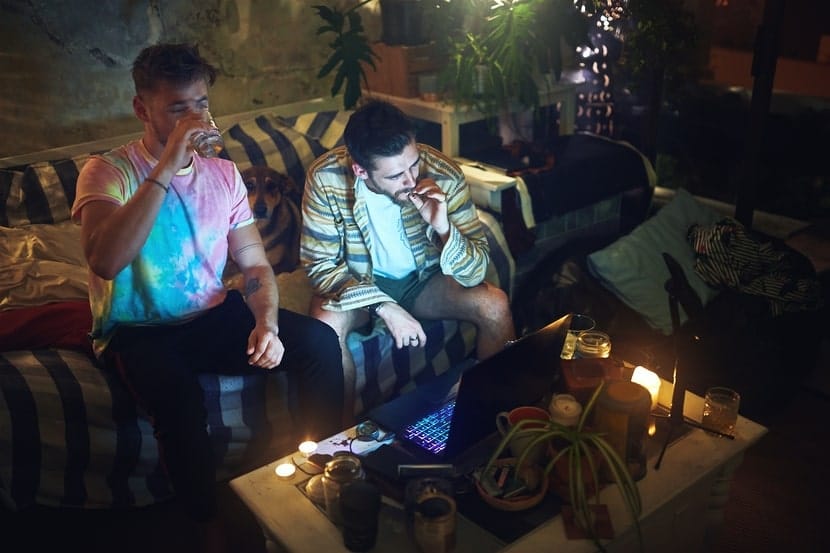
For Gen Z, alcohol feels out of sync with that reality. It’s unpredictable, physically draining, and tied to a culture that celebrates excess in a time when they’re just trying to keep their balance. Cannabis, on the other hand, offers something closer to what they actually want: calm without chaos, control without disconnection, and options that fit into a lifestyle built around intention rather than indulgence.
Why It Makes Sense:
For Gen Z, the shift isn’t about picking sides between alcohol and cannabis. They’re choosing cannabis more often for practicality.
Alcohol feels increasingly out of step with how they live. It’s expensive, unpredictable, and physically draining, with a recovery cost that doesn’t match the pace of their schedules or their focus on mental health. They’ve seen how alcohol amplifies anxiety and regret, and they’re simply not interested in paying that price.
Cannabis, meanwhile, fits their reality. It’s flexible and measurable. Legalisation has made it safer, more transparent, and easier to integrate into daily life. THC seltzers, mocktails, and edibles allow them to keep familiar rituals without the same fallout.
Add to that the rise of wellness culture, economic pressure, and social awareness, and the reasoning becomes clear: cannabis isn’t replacing alcohol because it’s cooler. It’s replacing it because it’s compatible.
What It All Means:
Not every member of Gen Z smokes, vapes, or sips THC drinks. Many still enjoy alcohol and will continue to. But the overall pattern is unmistakable: this generation is redefining how, when, and why people use intoxicants at all.
Cannabis isn’t replacing alcohol across the board, but it’s replacing what alcohol used to represent. Instead of escape, it’s about equilibrium. Instead of rebellion, it’s about responsibility.
At its core, this shift isn’t anti-booze, but pro-agency. Gen Z is simply choosing the tools that make sense for their world: ones that let them stay present, manage stress, and feel good without losing their grip on what matters most.






Leave a Comment