

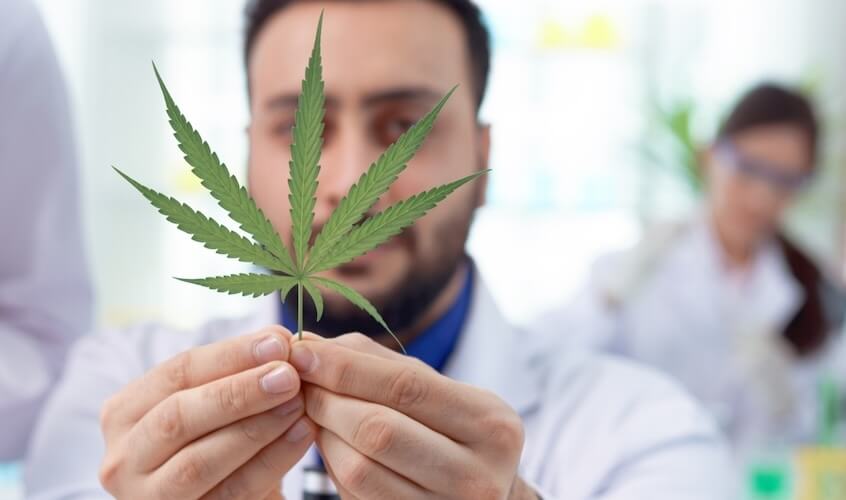
Cannabis in India is frequently viewed from a traditional perspective. This encompasses the “bhang” at celebrations, hashish in custom rituals and stories, and the renewed discussions regarding legalisation. However, today, an alternate dimension is subtly unfolding: one where cannabis, in legal and medicinal forms, is blending with wellness, healthcare, and innovation.
What we’re witnessing today in India’s cannabis market is not a surge in recreational usage, but a consistent, expanding trend towards medical cannabis, CBD-related wellness, and hemp-derived products that capitalise on the plant’s healing and industrial capabilities.
In India, this movement generally divides into several interconnected yet separate streams. Medical cannabis and Ayurvedic remedies incorporate cannabis (or components of the cannabis plant) within controlled Ayurvedic or medical systems. Products for wellness and pain management such as CBD oils, tinctures, topicals, and gummies are marketed for:
- Alleviating stress
- Aiding sleep
- Relieving pain
- Enhancing wellness, and
- Supporting mental health.
Additional hemp-derived products comprise hemp seeds, oils, fibres, textiles, dietary supplements, skincare items, and beyond. These are frequently associated with the healthcare narrative, yet they belong to the larger hemp/cannabis ecosystem.
Nevertheless, a common thread among all these currents is a transformation in consumer education and awareness, leading to healthcare and wellness emerging as the core of India’s cannabis startup movement. Therefore, when we refer to “cannabis in India,” we’re not discussing recreation; we’re focusing on healing, wellness, and a sustainable industry.
Shift Toward Cannabis Healthcare in India
Now, you might ask yourself: Why is healthcare emerging as the core of India’s cannabis startup scene? Why this shift? The answer is multi-faceted with several forces converging to make this possible.
Regulatory Feasibility And Clarity
Over the past few years, regulations in India have slowly caught up to the changing marketplace. As noted by recent reporting, the legal framework around cannabis-derived products has become clearer.
Under old laws, there was a lot of uncertainty about the cultivation of cannabis, its various parts (leaves, flowers, resin), whether extracts were allowed, what counted as “hemp” vs. “cannabis,” and so on. Now, at least for certain categories, there is growing regulatory breathing room, especially hemp-derived and Ayurveda-approved cannabis extracts.
Integration with Ayurveda and Traditional Medicine
India has a long heritage of traditional medicine. The Ministry of AYUSH (which governs Ayurveda, Yoga, Naturopathy, Unani, Siddha, and Homoeopathy) has begun to play a more active role in clarifying how cannabis-derived formulations can be used legally and medically.
This makes cannabis an outsider substance with historic roots — an ancestral medicine being re-interpreted through modern science.
Evolving Consumer Attitudes
As we highlighted earlier, health-conscious consumers are looking for natural, plant-based alternatives for chronic pain, stress, sleep issues, anxiety, and overall wellness. The stigma associated with “weed” is slowly being replaced by curiosity and acceptance.
As startups market their products more transparently with lab testing, medical disclaimers, and doctor consultations, consumers are responding.
Market Incentives and Entrepreneurship
For entrepreneurs and innovators, cannabis offers a vast, under-explored frontier in India. This is because of low competition, regulatory openings, and a large potential user base. Investing now means you might ride an early wave. As some industry insiders put it, the time is ripe to build a “medical cannabis startup ecosystem.”
Together, these factors are steering many players in the cannabis space to position themselves not as recreational vendors but as healthcare and wellness companies, rooted in tradition but packaged for modern urban India.
The Evolving Cannabis Healthcare Chain
The cannabis shift toward healthcare is visible from production to distribution, to patient experience and even regulation. As a result, a more structured, medically oriented cannabis healthcare chain is beginning to take shape which is not an underground market, but an emerging mainstream subplot in India’s health-startups story.
Some key elements in cannabis startups in India include:
- Medical cannabis brands: startups that create CBD oils, Ayurvedic “Vijaya” formulations, tinctures, topicals, and other wellness products that are lab-tested. These formulations usually come with claims related to lowered stress, pain management, sleep support, and relief from other chronic conditions.
- Tele-health platforms & digital clinics: As in other healthcare sectors, tele-medicine is becoming the gateway for patients to access cannabis-derived products. This is possible through online consultations, e-prescriptions, and home delivery.
- Patient education and prescription pathways: Because of lingering stigma and regulatory ambiguity, many brands now pair product offerings with education. These include resources about proper usage, dosing recommendations, and disclaimers that these are to be used under supervision by Ayurvedic or medical professionals.
- Researchers, doctors, pharmacists: A growing number of practitioners are willing to combine cannabis-based formulations with modern science and traditional medicine. They will need to act as the bridge between consumer demand and medical legitimacy and must carefully document and report the effects for future research and application.
- Regulatory backbone via Ministry of AYUSH & State-Level Permissions: The role of AYUSH is central. Since leaf-based cannabis formulations and hemp-based products fall under certain permitted categories, compliance with AYUSH regulation and obtaining proper licenses is becoming a must for startups. Over the last few years, the ministry has issued public notices and clearer guidelines, giving the industry more confidence and legitimacy.
Market & Economic Potential
No realistic discussion about India’s growing Cannabis healthcare ecosystem is complete without mentioning stats. And the figures are growing fast. These numbers tell us something important: cannabis healthcare and wellness is not a niche experiment. It is a rapidly growing market with serious economic potential.
Market Size
According to recent reporting, India’s cannabis-based product market was valued at US$ 1.3 billion in FY 2024. That market is projected to balloon to US$ 4.7 billion by FY2032, representing a compound annual growth rate (CAGR) of ~17.3%.
On the CBD front, a market research report puts India’s cannabidiol market revenue at USD 53.1 million in 2024, with expectations to grow to USD 259.6 million by 2030. That translates to a CAGR of ~30.3%. In this report, hemp is identified as the largest and fastest-growing segment, indicating that hemp-derived CBD, oils, nutrition, and products are likely to remain the backbone of growth.
While medical cannabis and CBD wellness are leading the wave, ancillary sectors tied to hemp (fibres, textiles, nutrition products, skincare, dietary supplements) are quietly expanding too. Several Indian startups and hemp companies are trying to build holistic ecosystems around hemp, offering seeds, oils, nutritional products, clothing, body care, and more all under a sustainable, eco-friendly narrative.
Though these sectors may not offer the same profit margins as medical cannabis or CBD oils, they contribute to the overall cannabis economy. Over time, as supply chains improve through more hemp cultivation, stable seed supply, etc., these sectors could become much more competitive and widespread.
Growing Consumer Trends — Why Demand is Rising
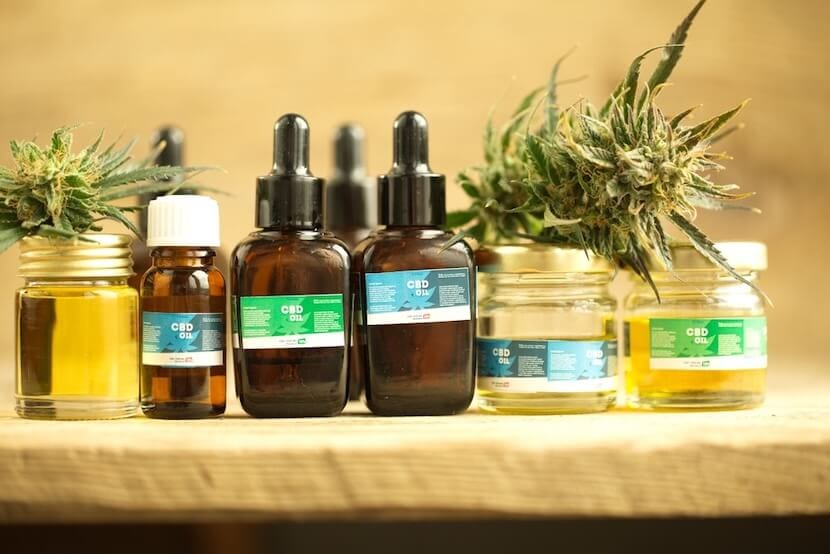
Several social and demographic shifts are fueling the demand for cannabis-related products. These include:
- Urban, health-conscious users: people in Indian cities increasingly look for natural, plant-based alternatives for managing problems like stress, insomnia, anxiety, chronic pain, inflammation, etc.
- Rising interest in plant-based pain, sleep, anxiety solutions: as awareness grows around side-effects of conventional medicines (opioids, sedatives), many view CBD and hemp-based products as natural alternatives with fewer adverse effects.
- Global demand and India’s competitive positioning: as other countries liberalize the use of cannabis and hemp, global demand for CBD, hemp-based nutrition, skincare, textiles is rising. Given India’s historical association with hemp and existing traditional medicine systems, India is well-positioned to be a competitive player globally. Some industry voices believe India could become a “billion-dollar cannabis industry.”
Leading Cannabis Healthcare Startups in India
Now that we’ve understood the basics and stats, let’s zoom in on the players building this ecosystem. Below are some of the notable startups/brands operating across different sub-sectors: core healthcare, CBD wellness, and health-adjacent hemp products.
Core Healthcare / Medical Cannabis Startups
These are brands that primarily emphasize medical cannabis, therapeutic formulations, and products aimed at health conditions, often linking to Ayurveda or modern biomedical approaches.
- HempStreet — HempStreet is often described as India’s first and largest research-to-retail medical cannabis startup. According to industry sources, it has built a network of over 60,000 Ayurvedic practitioners across India to facilitate the responsible dispensation of cannabis-based medications.
- Cannazo India — Founded by Sukkrit Goel, Kartik Sharma, and Arzoo Puri in 2020, Cannazo India blends Ayurvedic tradition with modern biotechnology. Reports say it was the first Indian medical cannabis brand to be featured on a mainstream platform. Their products range from CBD oils to Ayurvedic “Vijaya” formulations, topicals, and hemp nutrition, targeting chronic pain, stress, insomnia, neurological issues, and lifestyle disorders.
- Aarogya CBD — Another name in the medical-CBD space, this brand markets lab-tested, organic hemp-derived oils and formulations, claiming effectiveness for pain, sleep issues, and wellness.
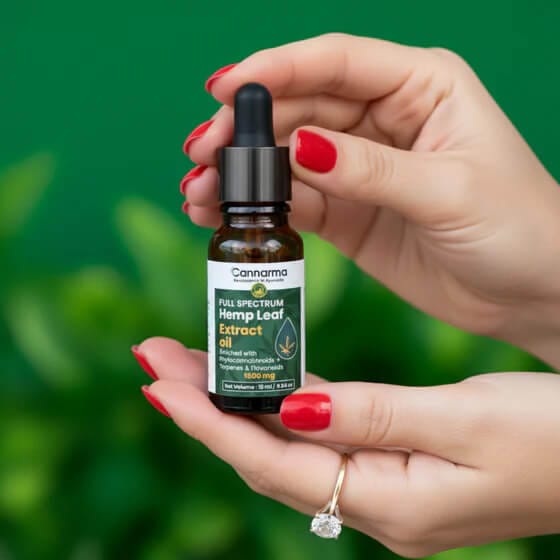
- Cannarma — According to its website, Cannarma offers certified, organic hemp products, including CBD oils, wellness supplements, skincare, and more. They highlight doctor-formulated, lab-tested, vegan, cruelty-free products, aiming to make hemp-based wellness accessible and reliable.
- BabyBerry — While not as widely referenced in mainstream press as some others, BabyBerry is sometimes mentioned among newer, niche players in the cannabis wellness/health space, particularly in Ayurvedic or wellness-oriented products. Given the fast-changing nature of the landscape, smaller startups like these help expand variety and accessibility in regional or specialised markets.
CBD Wellness & Health-Adjacent Brands / Hemp Lifestyle Brands
These companies may not claim to be medical cannabis providers, but they play a large role in making hemp and CBD part of everyday lifestyle. They produce products related to nutrition, skincare, stress-relief oils, and hemp clothing.
- BOHECO (Bombay Hemp Company) — One of India’s early hemp pioneers, BOHECO has been around for years, offering hemp-based wellness products, skincare, dietary hemp seed oils, and more. Reports say about half of its customers are repeat buyers, indicating a loyal consumer base.
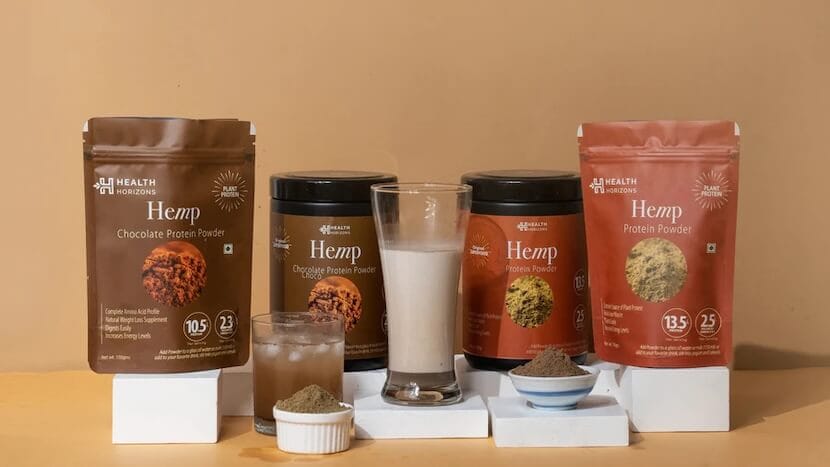
- Health Horizons — Health Horizons is among newer brands focusing on hemp seed processing, hemp nutrition products, protein bars, and hemp-derived wellness items.
- Hemp Organics — Operating in the lifestyle-hemp space, Hemp Organics offers hemp seed oils, nutritional hemp products, and other wellness items.
- India Hemp & Co. — India Hemp & Co. was founded with a vision to make hemp part of daily life — from nutrition to body care. They emphasise sustainability, ethical sourcing, and the environmental benefits of hemp.
- Its Hemp — Not a brand in itself, It’s Hemp is a large aggregator and marketplace that lists a wide range of hemp, CBD, Ayurvedic cannabis, nutrition, skincare, and lifestyle products from multiple brands. It acts as a one-stop cannabis lifestyle mall.
- CBD Store India, ChloroHemp — Along with other smaller or niche brands, these contribute to the diversity of wellness and lifestyle-oriented offerings in the Indian hemp space.
What becomes clear is that the startup ecosystem is not monolithic. From serious medical-cannabis brands, to lifestyle hemp companies, to aggregate marketplaces, there’s a full spectrum of players, reflecting varying degrees of seriousness, ambition, and target customers.
Regulatory & Operational Challenges
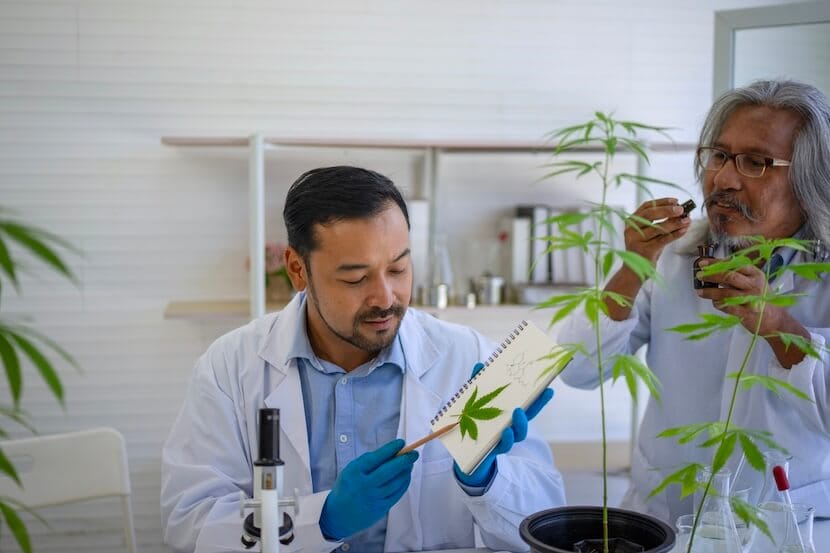
Of course, this growth in the cannabis healthcare industry doesn’t come without hurdles. The journey to mainstream cannabis healthcare in India is still fraught with uncertainty and challenges.
Strict Licensing & Clinical Validation Requirements
While hemp-derived products and Ayurvedic cannabis preparations are increasingly legal, the legal framework remains complex and fragmented.
The cultivation of cannabis, especially for psychoactive parts (flowers, resin), remains heavily regulated under the Narcotic Drugs and Psychotropic Substances Act (NDPS). To operate legally, companies often need a central license followed by state-level clearances. That makes scaling difficult, especially for startups that are trying to serve multiple states.
Moreover, when it comes to claims of health benefits (pain relief, anxiety relief, sleep, chronic illness etc.), those require clinical validation, documented research, ethical testing. The startups that are only beginning lack this data, risking regulatory backlash or mistrust from consumers and health professionals.
On the other hand, some companies may over-promise and claim benefits without robust evidence. Experts and regulators have flagged concerns about marketing claims, overuse, misuse.
Doctor Hesitation and Patient Misinformation
Many potential users remain wary of cannabis-based medicine. They associate cannabis with the old stigma of recreational drugs. Persuading doctors and patients to trust CBD/Ayurvedic cannabis requires more than marketing: it needs education, transparency, and consistent results.
Similarly some products are being sold online with minimal medical oversight. The lack of strict prescription norms and their strict enforcement means that unsupervised usage or overuse is a risk, undermining both safety and public trust.
Variability in AYUSH / State-level Approvals
Because India’s federal system gives states power over certain aspects of cultivation and licensing, there’s a patchwork of regulations across the country. This means that a product legal in one state may face barriers in another. This inconsistency creates uncertainty for startups trying to scale nationally. Several reports highlight supply-chain issues, difficulty sourcing compliant hemp seeds/plant material, and challenges around approval.
On the industrial hemp side (food, fibre, textiles), many startups struggle because domestic hemp cultivation is still limited, seeds are hard to source, and supply chains remain underdeveloped. As one industry founder said: achieving a 0.3% THC threshold is “extremely challenging.”
Limited Large-Scale Clinical Studies
While global studies have examined CBD’s therapeutic potential for pain, anxiety, epilepsy, sleep, etc., India still lacks robust, large-scale, locally relevant clinical research. Without this, making solid medical claims, especially for chronic or serious conditions, remains difficult and risky.
As a result, many CBD / cannabis-based wellness products remain in a kind of gray zone and are marketed for general wellness, stress relief, sleep, and minor pain. They cannot be fully recognized as medical interventions for major illnesses.
Marketing and Advertising Constraints
Given the regulatory scrutiny and the potential for misuse, many companies refrain from overt medical claims, or use disclaimers. Some rely on indirect marketing, which includes influencer testimonials, social-media content, lifestyle branding, rather than direct claims of managing disease. That sometimes undermines medical credibility; however, over claiming invites regulatory backlash. Striking the right balance is a continuing challenge.
Future Outlook
Even with the mentioned challenges and drawbacks, the future looks promising and potentially transformative. Here’s what we see as likely developments in the coming years, and why you and its supporters, consumers, or curious citizens should watch this space closely.
Potential for Integration with Mainstream Healthcare
As more startups invest in clinical research, partner with Ayurvedic and modern medical practitioners, and build compliance with regulatory frameworks, cannabis-based medicine could begin entering mainstream healthcare channels. We’re talking pharmacies, clinics, hospitals, and wellness centers.
This could open doors for controlled prescriptions for chronic pain, anxiety/stress disorders, sleep problems, inflammatory diseases, and neurological conditions. Moreover, CBD could be embraced as a form of complementary therapy to existing medical treatments.
Greater Research, Clinical Trials, Medical Standardisation
With the growing market potential and rising investor interest, we expect more funding will flow into research and clinical trials. Institutional stakeholders (hospitals, research institutes, traditional medicine schools) may begin to formally study cannabinoids, dosing protocols, long-term safety, and therapeutic efficacy. This, in turn, will help build medical standardization, turning what is now a largely consumer-oriented wellness market into a legitimate medical field.
Global acceptance opening export opportunities
As global demand for CBD, hemp-based nutrition, and sustainable hemp fibers continues to grow, India, with its large agrarian base, historical familiarity with hemp, and emerging hemp start-up ecosystem, could become a major exporter.
Hemp nutrition products, hemp-based textiles, hemp fibres, skin-care lines, and medically approved cannabinoid medicines could find demand internationally. This could transform hemp from a niche alternative to a full-fledged pillar of the Indian agrarian economy and startup ecosystem.
The Future of Hemp Fibre and Industrial Hemp
Even as medical cannabis and CBD wellness drive most of the public attention, hemp-based industrial sectors (textiles, fiber, nutritional food, skincare) are also gradually maturing.
As supply chains develop better seed distribution techniques, regulate cultivation, and standardize processing, this vertical could scale significantly. This implies hemp’s role in India may not just be medicinal – it could become a core sustainable industry for fiber, nutrition, environment, and livelihood.
Regulatory and Ethical Considerations: What To Watch Out For
As we get excited about cannabis-based startups, there are a few caution points we should not ignore.
- Transparent sourcing and quality: Hemp-based products must be lab-tested, third-party verified, free from contaminants, and properly labeled (THC content, CBD content, origin). Without transparency, there is risk of inconsistent quality or unsafe products.
- Overhyped claims: Until rigorous clinical research is widely available, companies should avoid portraying CBD or cannabis as “miracle cures.” Exaggerated marketing harms credibility, can mislead vulnerable patients, and risks backlash.
- Informed use under guidance: CBD/cannabis should be used responsibly. Ideally, it should be regulated under guidance from qualified Ayurvedic or medical practitioners, especially for serious health conditions.
- Research and regulation: Policymakers and regulators should encourage well-designed clinical studies, clear guidelines for cultivation, manufacturing, distribution, dosage, and advertising. A transparent regulatory environment will benefit both industry and public health.
- Support hemp cultivation and supply-chain development: For hemp-based industry to truly scale, be it textiles, nutrition, or wellness, India needs robust supply chains. These include reliable seed distribution, compliant cultivation (THC limits), processing infrastructure, and fair pricing.
Conclusion
If you asked a few years ago whether India could have a thriving, legitimate cannabis healthcare ecosystem, the answer would’ve been riddled with uncertainty. After all, the word “cannabis” in India carries decades of stigma, legal baggage, and social complications.
However, the story unfolding today is different. What we’re seeing is not rebellion, but reconnection. The revival of an ancient plant, re-imagined through modern science, startups, and increasingly enlightened regulation.
The growth of India’s cannabis startup ecosystem – especially in medical cannabis, CBD wellness, and hemp-based industries – feels less like a fad and more like a quiet revolution. From early pioneers to wellness brands, from Ayurvedic doctors to researchers, from urban health-conscious consumers to sustainability advocates, many segments of Indian society are aligning around one thing: the potential of cannabis and hemp to heal, to nourish, to transform.
Nevertheless, there are still many challenges remaining. Regulatory ambiguity, supply-chain issues, limited clinical data, marketing constraints, and ethical questions all demand caution. But if the last few years are any guide, a cautious, regulated, health and wellness-oriented cannabis ecosystem in India is not just possible, it’s already underway. As we move forward, India has a very real shot at becoming a global leader in medical-cannabis innovation, hemp-based wellness, and sustainable hemp industry. It can achieve this not by chasing quick gains, but by building carefully, responsibly, and with respect for both tradition and science. The future of cannabis in India is no longer in nightlife or controversy – it is in health, healing, and hope.



Leave a Comment