

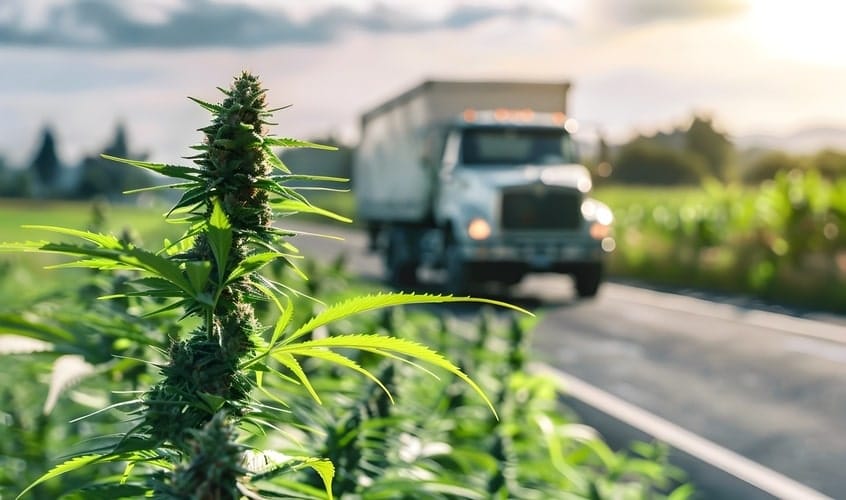
The legal cannabis industry is expanding rapidly. More countries are opening their markets, more consumers are showing up, and more businesses are entering the space every year. On paper, it looks a lot like growth. But for many working inside the industry, it doesn’t feel that way.
Behind the glossy packaging and public enthusiasm, the cannabis supply chain is under serious pressure. Cultivators can’t cover their costs. Extractors are overwhelmed by cheap, low-quality input. Couriers and retail staff are underpaid and overworked. Across every link in the chain, people are burning out—and the product is suffering too.
So what’s going wrong?
This article explores how broken infrastructure across the cannabis supply chain is creating ripple effects that impact pricing, product quality, and workforce sustainability. From the U.S. to other markets around the world, we’ll examine the challenges each sector is facing—and why even the best weed in the world can’t fix a system that wasn’t exactly built to hold itself up.
Table of Contents
- Cultivators: Growing Weed Isn’t Paying Off Anymore
- Manufacturers & Extractors: Struggling to Make Quality From Chaos
- Dispensaries: The Customer Is Always Mad
- Couriers & Distributors: Overworked and Undersupported
- The Global Snapshot: Same Problems, Different Borders
- Why It All Feels So Fragile
- The Real Cost of a Broken Supply Chain
- What Needs to Change (and Why It Hasn’t Yet)
- Conclusion: A Stronger Chain Means a Stronger Industry
Cultivators: Growing Weed Isn’t Paying Off Anymore
Cultivators are the backbone of the cannabis supply chain—but lately, that foundation is starting to crack. Despite rising demand for cannabis products, many growers are struggling to stay afloat in a market that feels more volatile than viable. From global oversupply to unpredictable grow conditions, the challenges they face are stacking up.
Overproduction Crashed the Market
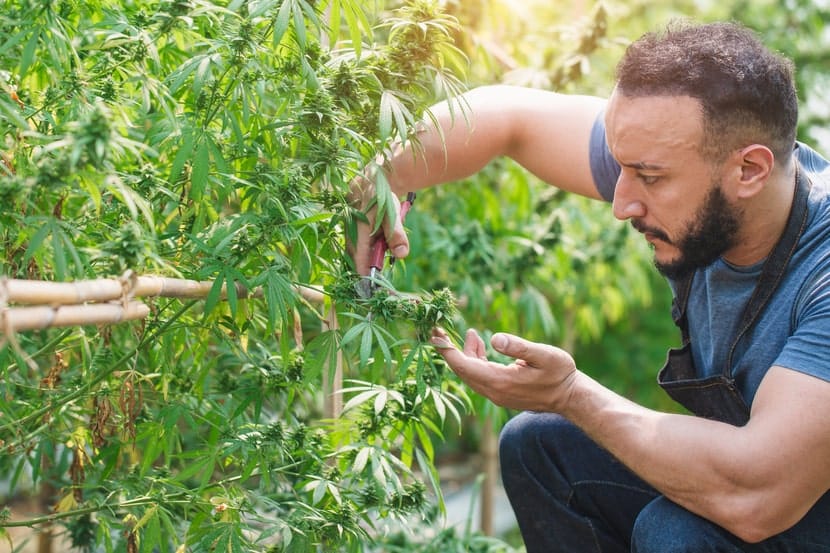
At the start of the cannabis supply chain is the grower—the person (or team) responsible for producing the raw plant material that everything else depends on. But while legalisation has created new opportunities for cultivation, it’s also introduced a new wave of challenges. Many cultivators—especially smaller, independent operations—are finding that the math just doesn’t work anymore.
In the years following the COVID-era green rush, overproduction led to a saturated market. Pounds of biomass that once sold at a premium now move for less than $200—a price that, for many, doesn’t even cover the cost of cultivation. And when wholesale rates fall but operating costs remain steady or climb, farmers are forced to make tough decisions: scale back, cut corners, or risk closing entirely.
Climate and Compliance Complicate Everything
But it’s not just economics at play. Outdoor growers are facing increasingly unpredictable growing seasons due to drought, flooding, and wildfires. Indoor operations are grappling with high energy costs and shifting compliance demands. In some international markets, cultivators are permitted to grow for export, but barred from selling to their own communities. That product often ends up sitting in warehouses, while local consumers rely on an unregulated supply.
Lower Prices Mean Lower Quality
To stay afloat, some growers are turning to lower-cost production strategies—fast turnover harvests, reduced labour, and minimal investment in post-harvest care. But those changes come at the expense of quality. Mould issues, undercured flower, and subpar trichome development aren’t just a reflection of bad practice—they’re often a symptom of survival mode.
The result? A downstream ripple that affects everyone else in the chain. Extractors struggle to find clean input. Dispensaries deal with customer complaints. Consumers lose faith in legal products.
Burnout Is Forcing Growers Out
Burnout is a real and growing issue. Generational growers are leaving the industry they helped build, and new farmers are realising that even with licenses and passion, sustainability is far from guaranteed.
But it’s not all doom and gloom—many operators are pushing for policy reform, regional craft models, and more equitable support systems to keep small cultivation alive. Because at the end of the day, the cannabis industry can’t function without the people who grow the plant. And right now, that foundation is under strain.
Manufacturers & Extractors: Struggling to Make Quality From Chaos
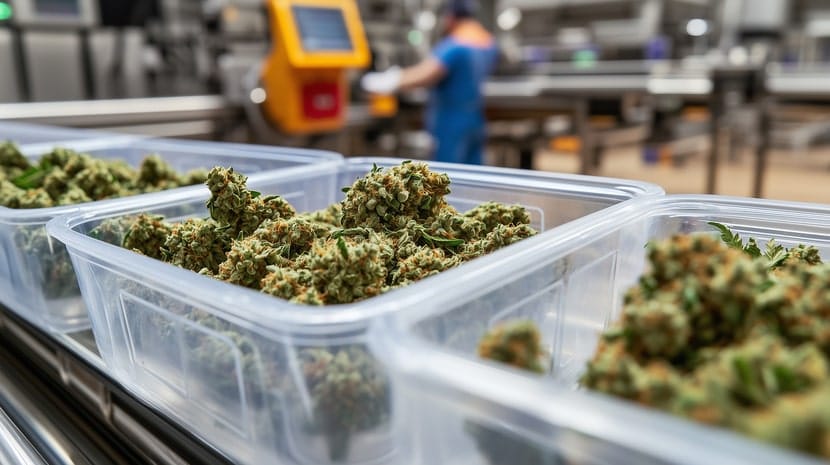
Once cannabis leaves the grow, it’s in the hands of manufacturers—extractors, edible makers, processors, etc., who turn raw plant material into the finished products consumers know best. But while the shelves may be stocked with oils, gummies, and concentrates, the road to getting them there is anything but smooth.
Manufacturers are navigating a storm of cheap biomass, inconsistent quality, high operating costs, and shrinking demand. For many, staying open feels like an uphill battle.
Low-Quality Input, High-Pressure Output
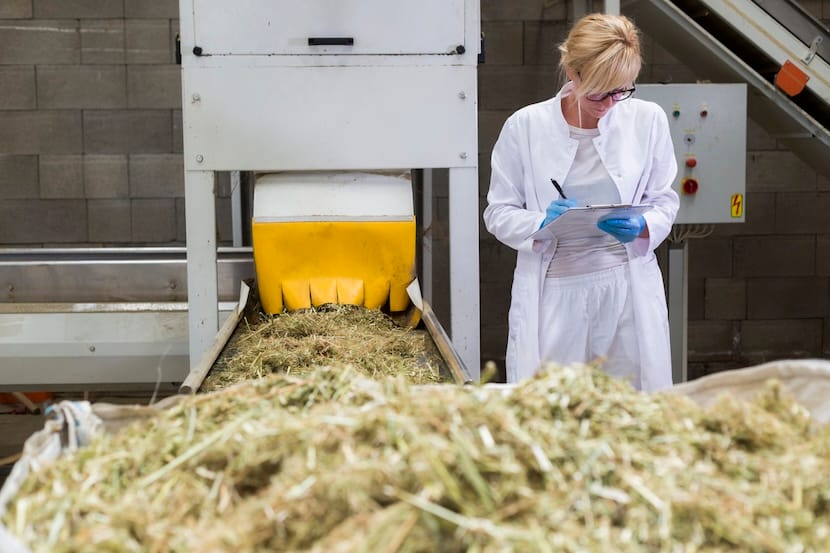
One of the biggest challenges in cannabis manufacturing is the quality of the starting material. With so much biomass flooding the market post-COVID, prices have dropped, but so has the quality. Mouldy, poorly cured, or rushed flower makes its way into the supply stream, and manufacturers are expected to make something sellable out of it.
But even the best extractor can only do so much with subpar input. Low-grade flower leads to weak concentrates, bland edibles, and failed batches. And when you’re working with tight margins, reworks and recalls can be make-or-break.
Margins Are Tight—and Getting Tighter
Manufacturing cannabis products isn’t cheap. Solvents, closed-loop extraction equipment, skilled technicians, compliance testing, packaging—it all adds up. But most consumers aren’t willing to pay top dollar for products unless they’re exceptional. And when the shelves are full of mid-tier distillate, that bar just keeps dropping.
Many operators are scaling back, merging, or shutting down completely. Others are trying to cut costs wherever they can, but that often puts quality or safety at risk.
A Global Skill Gap and Lack of Support
In newer markets across Europe and Latin America, manufacturing comes with its own set of hurdles. Many operators face equipment shortages, limited access to solvents or inputs, and a lack of trained technicians. Without standardised procedures or government support, building a reliable manufacturing operation from the ground up is a tall order.
Even seasoned processors in established markets are struggling to stay compliant as regulations change or become stricter. When rules shift overnight, it’s often manufacturers who get hit hardest—and who are left scrambling to adapt.
Burnout Is the Baseline
Small teams, long days, constantly shifting requirements—it’s a recipe for burnout. Processors work in high-pressure environments with little room for error. And when something goes wrong, like failed testing, product recalls, or mechanical issues, it’s usually on them to fix it fast and quietly.
Even if you can extract, it doesn’t mean there’s demand for what you’re making, especially when the market is flooded with cheap, mass-produced distillate that leaves little room for innovation or sustainability.
Dispensaries: The Customer Is Always Mad
If cultivators and processors are the engine of the cannabis supply chain, dispensaries are the front-facing showroom—and the customer service desk. They’re where every problem upstream eventually shows up, and where every link in the chain gets judged by the final product. And yet, most dispensaries are expected to do it all with limited support, thin margins, and increasingly frustrated consumers.
Between regulatory hurdles, unpredictable inventory, and pressure to keep prices low, dispensaries are constantly caught in the middle.
Retailers Take the Heat for Everyone Else’s Mistakes
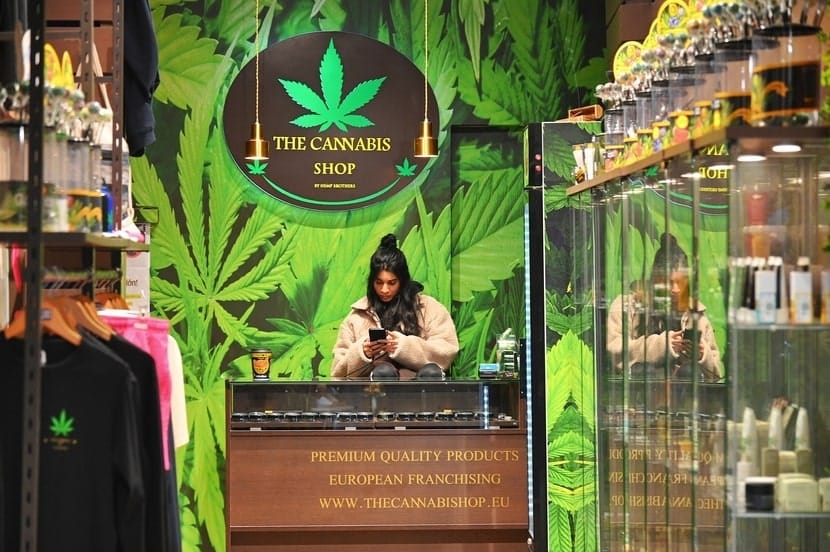
Dispensaries are where broken supply chains become visible to customers. Late deliveries, empty shelves, mislabeled products, outdated packaging—it all lands in the retail environment, often without warning. And when something’s wrong, it’s the budtender who hears about it.
Customers don’t usually know (or care) that a distributor went dark or a harvest failed testing. All they see is that their favourite product is gone, the price went up, or the new batch doesn’t hit the same.
Contracts, Cash Flow, and the Cost of Staying Stocked
Many dispensaries are locked into contracts that favour large producers, forcing them to front cash for inventory that might not move. If products underperform or expire, the financial loss is often on the retailer. This leaves little room for local brands or craft producers to get shelf space, and even less room for innovation.
At the same time, wholesale prices fluctuate constantly. Retailers either eat the cost or risk alienating customers with yet another price hike.
Quality Slips Before It Hits the Shelf
Even if a product leaves the processor in perfect condition, it still has to survive shipping, storage, and regulatory delays before hitting the shelves. Without proper infrastructure, flower dries out, vapes leak, edibles melt—and customer confidence erodes.
Budtenders are left explaining away inconsistencies and managing expectations they had no control over in the first place.
Burnout Behind the Counter
The people behind the counter are more than cashiers. They’re educators, therapists, translators of lab results, and punching bags for everything that’s gone wrong before the sale. And they’re often doing it all for minimum wage, with limited career support or benefits.
High turnover and understaffing make it harder for dispensaries to offer a consistent customer experience, especially as rules change and demand fluctuates. When retail staff burn out, the entire storefront suffers—and the last link in the supply chain weakens under the weight of it all.
Couriers & Distributors: Overworked and Undersupported
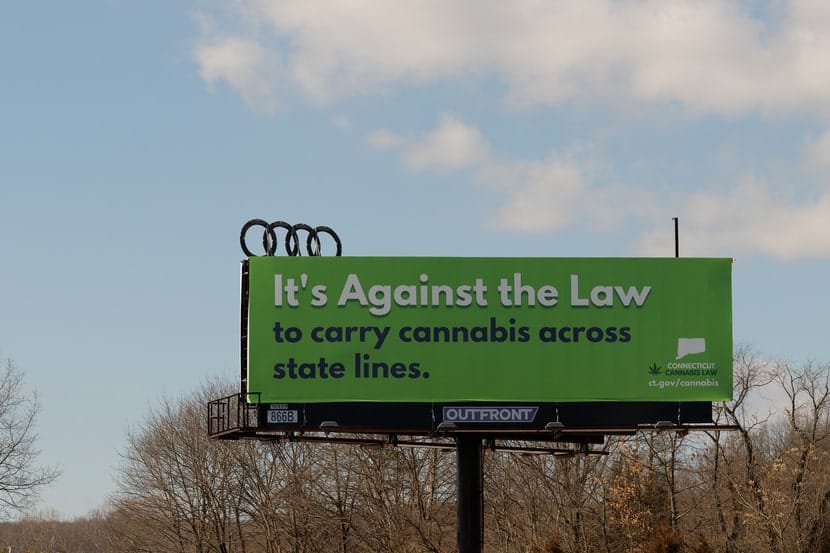
When people think about cannabis, they picture the grow, the product, or maybe the dispensary, but rarely the space in between. Distribution is the connective tissue that keeps the entire industry functioning. Without it, product doesn’t move, shelves don’t get stocked, and patients and consumers go without.
Despite that, couriers and distributors often operate in the background, juggling logistical challenges, security risks, and compliance nightmares with little visibility or support.
Everything Depends on Distribution, But It’s Underbuilt
In many markets, distribution infrastructure has failed to keep pace with legalisation. Routes are long, equipment is limited, and regulatory compliance varies wildly across regions. Some areas still rely on outdated systems, manual tracking, or third-party services with little cannabis-specific expertise.
Without streamlined logistics, delays become common. That means flower arriving too dry, edibles exposed to heat, or mislabeled batches sitting in storage waiting for someone to approve a form.
Couriers Carry the Risk, Not the Reward
The people transporting cannabis products are expected to uphold strict security standards, navigate constantly shifting regulations, and keep product intact, while being paid barely above minimum wage in most cases.
In some states, drivers are responsible for vehicle safety, secure storage, paperwork accuracy, and timing deliveries down to the minute to meet compliance windows. In international markets, those responsibilities often increase, especially when dealing with cross-border transport or export limitations.
And if something goes wrong—if a product is compromised, paperwork gets delayed, or theft occurs—it’s usually the courier who takes the heat.
Degradation in Transit Affects Product Quality
Cannabis is a delicate product. Without proper handling, potency drops, terpenes degrade, and the consumer experience suffers. Concentrates can separate. Edibles can melt or crystallise. Flower can lose all its aroma before it even hits the shelf.
When distribution isn’t optimised for cannabis, quality control becomes a guessing game, and customers start to wonder if it’s worth paying legal-market prices.
Burnout in the Background
Couriers and distribution staff may not be front-facing, but the pressure they face is constant. Long hours, high risk, low pay, and little recognition add up fast. And because distribution is rarely discussed outside of logistics meetings, the strain often goes unnoticed—until something breaks.
Without strong distribution, the entire supply chain stalls. And right now, many of the people holding that system up are doing so with no cushion beneath them.
The Global Snapshot – Same Problems, Different Borders
The cannabis supply chain isn’t just under strain in the U.S. These issues are showing up across legal and emerging markets worldwide. While every country has its own approach to legalisation and regulation, many of the same burdens appear again and again: overproduction, infrastructure gaps, and unclear or unstable policy frameworks.
Canada: Oversupply and Corporate Collapse
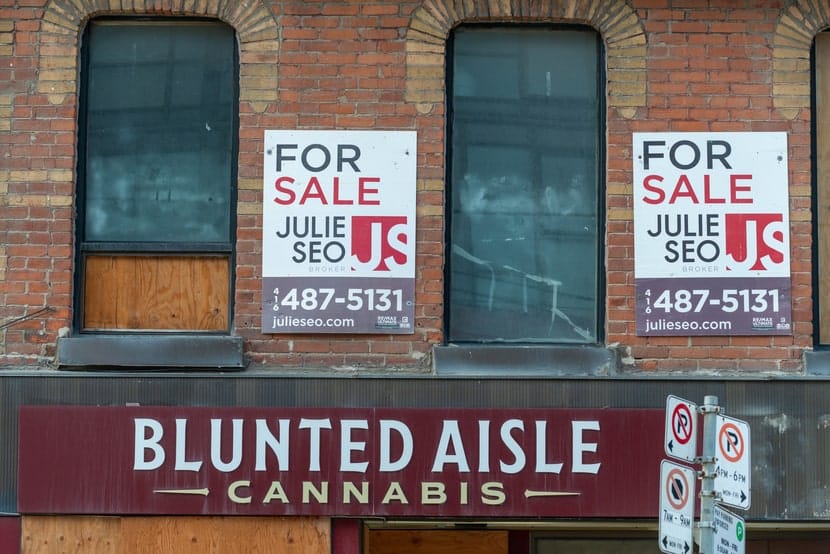
Canada was one of the first countries to fully legalise cannabis, but the rush to scale created more product than the market could absorb. Major licensed producers like Canopy Growth and Aurora laid off hundreds and shuttered grow facilities as warehouses filled with unsold inventory—millions of grams later destroyed.
Even with years of legal sales under its belt, Canada’s supply chain is still struggling to stabilise pricing and match consumer demand, especially for smaller or regional players.
Germany: Legalisation, with Limitations
Germany recently took major steps toward cannabis reform, but full recreational sales are still pending, and legal cultivation is extremely limited. Most products are imported from other countries, creating bottlenecks, long wait times, and higher prices for consumers.
The legal framework is still evolving, but without robust domestic production and distribution, Germany’s supply chain is moving slowly and unevenly.
Thailand: From Boom to Backpedal
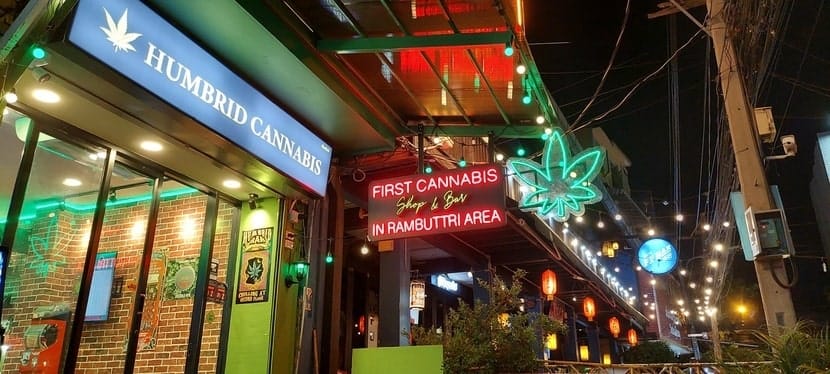
Thailand made headlines in 2022 when it rapidly legalised cannabis, but without clear regulations in place, things unravelled quickly. A flood of unregulated products hit the market, enforcement was inconsistent, and consumer confusion skyrocketed. Within a year, the government reversed course and began tightening restrictions again.
The rush to legalise without a strong supply chain behind it led to instability that’s still playing out today.
Colombia, Mexico, and South Africa: High Potential, Low Infrastructure
Countries like Colombia, Mexico, and South Africa have strong natural growing conditions and major cultivation potential, but they face roadblocks in exporting product, developing domestic markets, or implementing basic distribution systems.
Much of the cannabis grown in these regions is stuck in storage, awaiting legal clarity or export contracts. Meanwhile, legacy markets continue to thrive locally, offering products that are more accessible and often more trusted.
A Shared Struggle: Poor Planning, High Pressure
Across the board, the pattern is familiar: new markets launch with high hopes but little preparation for the logistical demands of a functioning supply chain. Testing is inconsistent, staffing is limited, and products are often delayed or degraded before they ever reach the consumer.
From government officials to small business owners, the people trying to build these systems are often under-resourced and overwhelmed, while expectations keep rising.
Why It All Feels So Fragile
Look closely at any part of the cannabis supply chain, and the cracks are easy to spot. But what’s harder to see—and just as important—is how disconnected the system is. Each sector is focused on its own survival. Growers are trying to offload product. Extractors are trying to keep machines running. Retailers are trying to keep customers happy. Everyone’s optimising for their piece of the puzzle, but no one’s looking at how the whole thing fits together.
There’s no cohesive infrastructure linking these roles—no standard logistics network, no unified compliance system, no shared understanding of what “normal” even looks like. In traditional industries, supply chains are complex but relatively predictable. Cannabis, by contrast, is still trying to define the basics. Everything is moving fast, and yet somehow it still feels like we’re flying blind.
Without coordination, volatility becomes the default. Prices shift not just month to month, but week to week. Product availability is inconsistent. Quality control depends on who’s handling the product that day and how well their storage holds up. Dispensaries try to create a seamless retail experience, but the foundation beneath them is shaky at best.
For workers, this instability compounds over time. Budtenders cycle through burnout. Cultivators walk away from their farms. Extractors wonder if the next batch will be their last. The lack of long-term planning doesn’t just impact profit margins—it drives people out. And with them goes years of experience, trust, and care that can’t be easily replaced.
In the U.S., state-by-state regulation only deepens the divide. What works in Oregon might be illegal in Florida. A best practice in California might be financially impossible in Minnesota. And globally, the gap between policy and infrastructure is even wider. It’s not just that the chain is fragile—it’s that everyone is building their piece of it in isolation, hoping the rest will hold.
The truth is, the cannabis industry has evolved faster than its foundation. And without the systems to support its growth, even the strongest operators are left balancing on unstable ground.
The Real Cost of a Broken Supply Chain
The cannabis industry’s supply chain is having real, measurable consequences. For businesses trying to stay afloat, for consumers seeking reliable products, and for the people doing the work day in and day out, a shaky foundation doesn’t just cause delays. It reshapes the entire landscape. From pricing to product quality to burnout, here’s how the breakdown shows up in practice.
Pricing
When the infrastructure isn’t built to support the system, costs rise at every turn. Cultivators spend more just to stay compliant. Manufacturers eat the expense of failed batches and slow approvals. Distributors face rising fuel, insurance, and staffing costs. Retailers pay for storage losses and scramble to keep pricing competitive. With no margin for error, those costs get passed down the chain—or swallowed whole. Either way, the result is the same: consumers pay more, or businesses fold.
Product Quality
Poor infrastructure also impacts the product itself. Without reliable cold storage or timely distribution, cannabis can degrade quickly. Flower dries out. Terpenes and cannabinoids break down. Edibles melt, labels become outdated, and packaging gets damaged. Even the best-grown, best-made products can end up delivering a subpar experience by the time they reach the shelf. And when customers can’t trust the quality, they’re more likely to turn away from the legal market altogether.
Burnout
None of this can be sustained without people, and people are burning out. Across the board, cannabis workers are being asked to do more with less. Budtenders field complaints they didn’t create. Couriers drive long routes under tight compliance deadlines. Lab techs and processors are expected to fix problems faster than systems can keep up. The pressure leads to turnover, lost expertise, and a work culture built on putting out fires instead of building long-term solutions.
Until the cannabis industry addresses these structural gaps head-on, the cycle will keep repeating. High costs. Mid-quality product. Exhausted people. And all of it pushing the industry further away from the sustainable future it’s trying to build.
What Needs to Change (and Why It Hasn’t Yet)
Everyone inside the cannabis industry can see where the pressure points are. The problems aren’t new, and the solutions aren’t mysterious. We need better infrastructure. More regulatory consistency. Systems that make it easier for people to succeed. But knowing what needs to change and actually changing it are two very different things.
The challenge is that the industry has been built on momentum. From the early days of legalisation to the post-COVID boom, cannabis has been in a near-constant state of expansion. New markets open. Demand spikes. Investors move in. Everyone races to catch up. And in that kind of environment, there’s rarely time or funding to slow down and build things the right way.
It’s easier to chase the next trend than to invest in training programs or long-term logistics. It’s easier to launch a new product than to redesign a distribution network. And it’s much easier to market “craft” or “premium” than to address the foundational weaknesses that impact quality behind the scenes. In short: short-term thinking keeps winning, even when everyone knows it’s costing us more in the long run.
At the same time, regulation adds another layer of complexity. In the U.S., state-by-state laws make national consistency almost impossible. In emerging international markets, legalisation often happens faster than infrastructure can support. Even operators who want to do things right are navigating a moving target, and when rules shift overnight, the risk of building long-term systems starts to feel like a liability instead of a smart investment.
But the cracks are getting harder to ignore. And in every corner of the industry, from growers to dispensary staff, people are calling for a different kind of future. One where infrastructure, regulation, and workforce sustainability aren’t afterthoughts, but built into the system from the start.
Change won’t be easy, and it definitely won’t be instant. But if the industry wants to survive—not just in one state or one country, but globally—it has to start treating supply chain support as essential, not optional. Because hype might fuel growth, but only structure will sustain it.
Conclusion: A Stronger Chain Means a Stronger Industry
The cannabis industry doesn’t have a branding problem; it has a systems problem. And it shows.
At every level of the supply chain, people are doing the best they can with what they have. Cultivators are navigating price crashes and climate chaos. Manufacturers are trying to make quality products from inconsistent inputs. Dispensaries are stuck between unstable inventory and rising customer expectations. Distributors are holding everything together with limited resources and even less recognition. And globally, countries are racing toward legalisation without the infrastructure to support it.
The result? Higher prices, lower quality, and widespread burnout. Not because people don’t care, but because the system isn’t built to support them.
If cannabis is going to mature as an industry, it needs to treat infrastructure like a priority, not an afterthought. That means investing in logistics, training, storage, and long-term planning. It means creating clear, cohesive regulations that allow businesses to grow sustainably, not just scale fast. And most importantly, it means valuing the people who keep the chain moving, from farm to shelf.
Because when the supply chain is strong, everything else becomes possible: better products, fairer pricing, and a healthier, more stable workforce. The future of cannabis doesn’t just depend on legalisation. It depends on what we build after.






Leave a Comment