

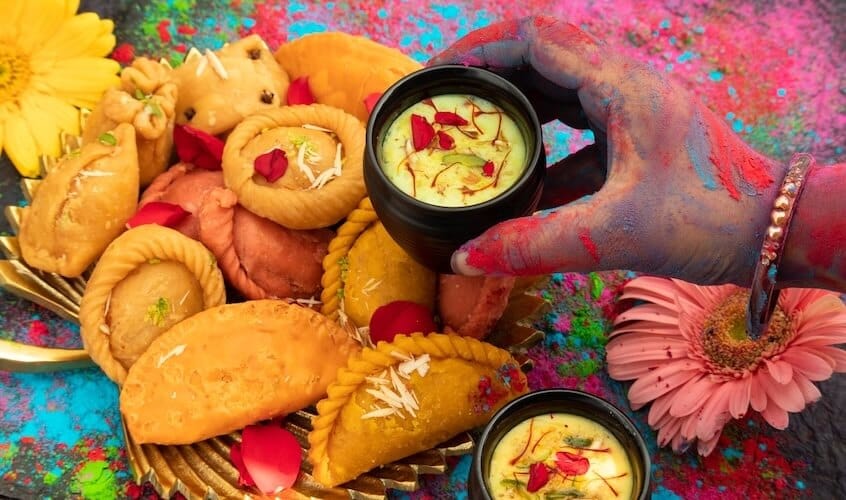
Bhang, an edible blend made from the buds, leaves, and flowers of the female cannabis or marijuana plant, carries profound cultural and spiritual importance in India. It has been used for centuries in Hindu ceremonies and celebrations for its healing, spiritual, and mind-altering effects. Moreover, bhang has an especially important role in Indian cuisine. From drinks to snacks to proper meals, the incorporation of bhang in Indian foods and beverages has been going on for centuries.
Ask any Indian if they know about bhang lassi or bhang thandai (yogurt drinks infused with cannabis), and they will surely mention two well-known Bollywood classic films that highlighted bhang: Aap Ki Kasam (1974) and Silsila (1981). Both of these hit Indian movies presented bhang lassi as a psychedelic beverage that people consumed to feel ‘high.’ Fast forward to modern-day cinema, and the song Balam Pichkari from the movie Yeh Jawani Hai Deewani is all about bhang flying in the air and everyone having a great time.
Although there is some truth to these representations of bhang, the latter carries far more cultural importance in India than merely a means to become intoxicated. We’ve discussed the importance of bhang in Indian culture, but today’s article will highlight its significance in traditional and modern Indian cuisine.
What is Bhang?
As mentioned, bhang is an edible mixture made from the flowers, buds, and foliage of the female marijuana or cannabis plant. It possesses profound cultural and religious importance in India. For centuries, it has been utilised during Hindu festivals and rituals due to its medicinal, spiritual, and psychoactive qualities. Bhang is extensively cultivated in the regions of Bihar, Tamil Nadu, Rajasthan, and the Sub-Himalayan areas.
Bhang is fundamentally made by drying, grinding, and soaking the leaves and buds of the Cannabis sativa plant to create a paste that is incorporated into food and drinks. The latter are readily available for purchase from street vendors (bhang shops) and government-approved retailers. However, the Indian national policy on Narcotics and Psychotropic Substances Act (1985) permits solely the inclusion of leaves, the flowering top, and seeds from which the resin has not been extracted.
The most common way to consume bhang is by combining it with curd and whey to make the beverage called bhang lassi. Another popular option is bhang goli, a drink created from freshly ground cannabis mixed with water. Bhang can also be blended with sugar and ghee (clarified butter) to make sweet treats.
The Cultural and Historical Significance of Bhang in India
The growing of bhang has been woven into Indian culture since the Vedic period, as noted in ancient writings from 1500 BC and earlier. Indian archaeologists and culinary anthropologists assert that bhang, particularly the Cannabis indica type, is an indigenous plant that has been present for over 3,000 years in the subcontinent.
Bhang holds considerable cultural and spiritual significance for Indians. The Atharva Veda recognizes cannabis as one of the five most sacred plants on the planet, claiming that a guardian spirit resides within its foliage. It also characterises it as a “well of joy,” a “bearer of happiness,” and a “giver of freedom.” In the ancient Hindi medical text, called Sushruta Samhita, it is used to aid digestion and enhance appetite.
Moreover, bhang is a vital part of Indian religious festivities. For example, during Holi, the annual Hindu celebration of color, bhang is especially linked to the story of Shiva (the Mahadeo or supreme god of the Hindu trinity). The drinks bhang lassi and bhang thandai, with the latter translating to “cooling off,” are especially favored during Holi. The use of bhang in these celebrations is often seen as a means to guarantee comfort and ease, while also helping to attain inner peace.
Indian cinema often depicts bhang in various ways, ranging from celebrations and festivities to complex narratives that explore its cultural and social impact. The portrayal of bhang through films and songs can range from joyful, celebratory images to serious analyses of its potential uses and effects.
The Health Benefits of Bhang
Researchers have identified numerous medicinal benefits of cannabis, including effective reduction of nausea and vomiting in chemotherapy patients. Pain relief is another prominent use, particularly for chronic pain associated with fibromyalgia and rheumatoid arthritis.
In addition, bhang may help alleviate muscle spasms in multiple sclerosis patients and has shown potential in slowing the growth of certain cancer cells. Cannabis may also help with sleep issues and reduce inflammation linked to conditions like arthritis. It also promotes appetite, aiding weight maintenance or weight gain for some individuals.
Health Benefits of Bhang in Ayurveda
Ayurveda values cannabis for maintaining overall health, temporarily regulating high blood pressure, reducing intraocular pressure, and stimulating the nervous system. Wrestlers use bhang thandai for enhancing focus and digestion. Bhang also serves as a diuretic, simultaneously addressing bladder inflammation and kidney stones. When mixed with herbs, it is used to treat diarrhea, improve digestion, and enhance appetite.
The Importance of Bhang in Traditional Indian Cuisine
Indians have been adding bhang to their meals and beverages since approximately 1000 BC, and this practice persists during Holi, Maha Shivaratri, and Ambubachi Mela in Guwahati. During Hola Mohalla, Sikh Nihangs also partake in it to honor the Sikh warriors who traditionally used bhang in combat to enhance their performance and dull their discomfort.
Bhang Drinks
Here are some common Indian bhang drinks:
Bhang Goli
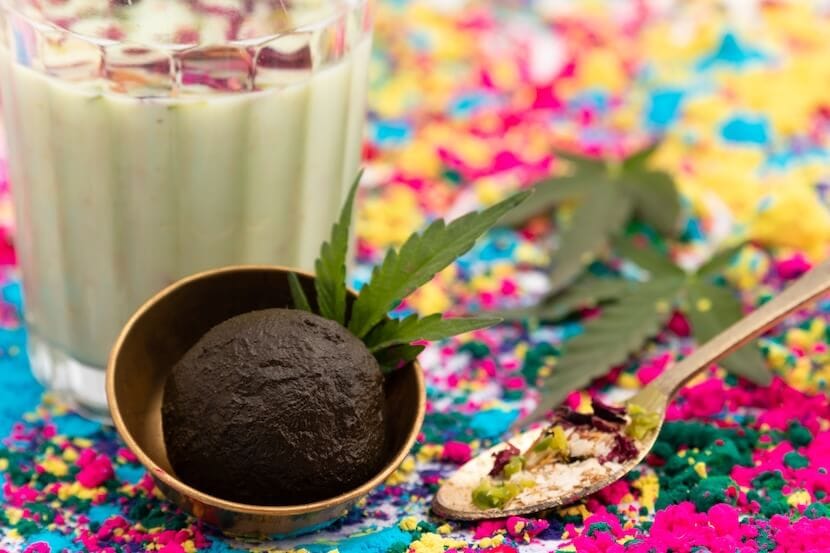
Bhang goli is a beverage comprising freshly ground cannabis mixed with water. It can also be taken as a tiny edible sphere or tablet created from cannabis and additional components that are consumed with water. Bhang Goli is frequently used for therapeutic benefits or as a fast and easy method to take cannabis and may include different herbs, spices, and additional components to amplify its effects and tastes.
Bhang Thandai
Bhang thandai, especially popular during Holi, is a mix of almonds, cardamom, fennel seeds, rose petals, black pepper, poppy seeds, saffron, milk, and bhang. The resulting drink can range from mildly to moderately intoxicating. With delicate notes of spices indicating the close of Fall-Winter, and invigorating floral accents of rose jam, signaling the onset of Spring-Summer, this drink truly captures the essence of seasonal transition.
Bhang Lassi
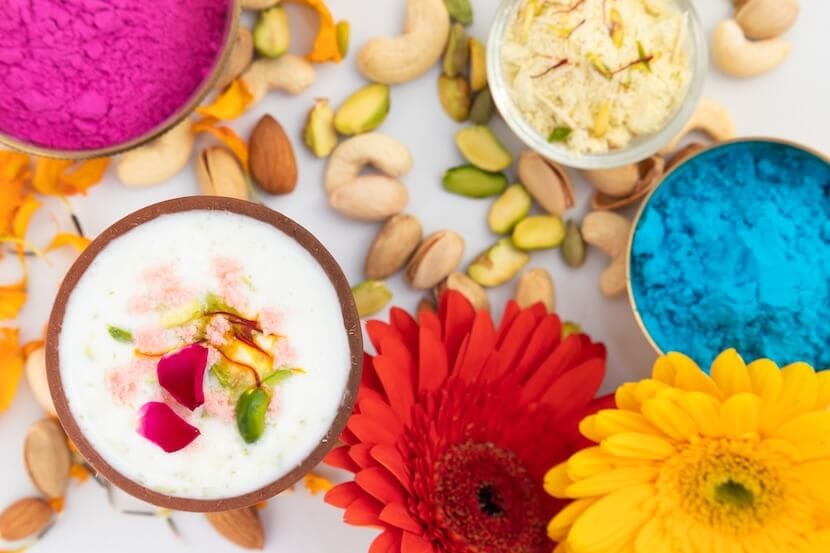
Lassi is a traditional beverage that is commonly available in several South Asian countries. It is made by mixing yogurt, spices, water, and occasionally fruits. It can be sweet or salty. When cannabis is incorporated into this beverage, it transforms into bhang lassi – a rich, sweet, and slightly spicy drink.
Many adults drink bhang lassi to celebrate the seasonal changes and seek a euphoric state of mind to connect with the gods. Although there are various methods for preparing this beverage, the classic approach involves combining fresh cannabis leaves, yogurt, a small amount of sugar, water, and nuts such as almonds and pistachios, along with spices including ginger powder, fennel seeds, cardamom, and peppercorn.
Bhang Sweets
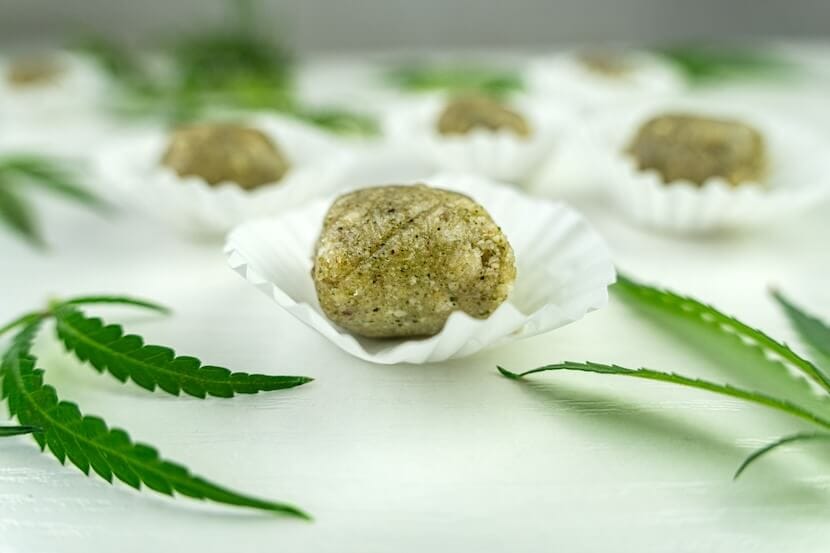
Bhang sweets are classic Indian delicacies enriched with cannabis. These include laddoos, barfis, and halwas. These cannabis-infused treats provide a tasty retreat to experience the benefits of cannabis while savoring a sweet delight.
Bhang Chutney
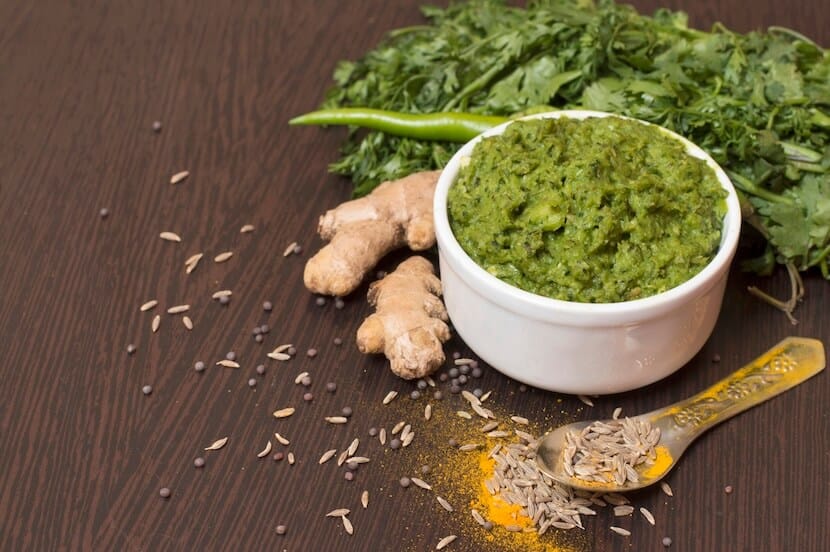
Bhang chutney is a flavorful sauce prepared with cannabis along with ingredients such as mint, coriander, and various spices. It can serve as a dipping sauce, spread, or topping for different meals to enhance their classic herbal taste and instill a bit of euphoria in the consumer.
The Availability of Bhang Dishes in Indian Restaurants
Although bhang is an integral part of various cultural and religious traditions in India, especially during celebrations such as Holi, it is not typically found in restaurants that serve a wider audience. The use of bhang is frequently linked to particular occasions and customs instead of routine menu items at restaurants.
If you’re looking to consume bhang-infused drinks or sweets, consult local guides or community members who may be aware of shops or stalls where such items might be available.
The reasons why bhang-infused dishes are not generally served in typical Indian restaurants may include:
- Legality Issues: Bhang is a cannabis product, and its legal status differs throughout India and around the world. Thus restaurants might hesitate to serve it because of legal limitations.
- Variety of Customers: Popular Indian restaurants strive to cater to a broad audience with varied tastes and choices. Bhang would not be a menu choice that appeals to everyone nor is widely accepted.
- Cultural Background: As mentioned, the use of bhang is frequently associated with particular cultural and religious occasions, and is not a typical dish found in most Indian restaurants.
Making Bhang at Home: A Traditional Bhang Beverage
Preparing bhang at home is a fairly easy process and enables you to adjust the ingredients and tastes according to your liking. However, it is a precise and classic method that has been handed down through generations in India.
A more comprehensive description of the traditional method for preparing bhang is as follows:
- Gathering and Processing of Cannabis Leaves and Flowers: The first stage in preparing bhang involves collecting the leaves and flowers of the cannabis plant. These sections of the plant hold the active substances, such as THC and CBD, which play a major role in the effects of bhang. The flowers and leaves are washed to eliminate any dirt or contaminants.
- Grinding the Leaves and Flowers: The next phase involves grinding the cannabis leaves and flowers to form a smooth paste. The grinding procedure aids in releasing the cannabinoids and terpenes found in cannabis, improving the strength of the end product. You can use a mortar and pestle or a grinder to crush the plant material and obtain the active compounds.
- Combining with Milk, Ghee, and Seasonings: After the cannabis paste is ready, it is combined with milk, ghee, and various spices to improve the taste and scent of the bhang. Typical spices utilised in bhang making consist of cardamom, nutmeg, cinnamon, and black pepper. These components enhance the complexity of the product while also harmonising with the herbal and earthy notes of cannabis.
- Filtering the Blend: Once the ingredients are homogeneously mixed, the bhang mixture is filtered to eliminate any solid plant remnants. This process guarantees that the finished beverage is smooth and devoid of a coarse texture or any solid pieces of bhang. The resulting strained liquid is a creamy and delicious bhang beverage that is ready for consumption.
Traditional and Modern Indian Dishes You Can Cook with Bhang
I discovered hemp seeds quite recently, and their nutritional benefits intrigued me. I found out that hemp seeds provide a rich supply of minerals such as iron, magnesium, calcium, and potassium. Additionally, these seeds are an excellent source of amino acids, encompassing all nine essential ones. And the best part – bhang seeds are non-intoxicating and entirely safe for everyone, including kids.
I felt motivated to experiment with these seeds in cooking, and considered adding them to salads, side dishes, and more. After a little research on the web, I found some recipes that infused bhang with Indian dishes. Here are a few Indian bhang food recipes that you can also try and enjoy.
Bhang Chicken Curry
Bhang Chicken Curry, locally called Bhangira Chicken, is a popular dish in Uttarakhand. It has a distinct nutty taste from the hemp seeds, and the incorporation of other freshly ground spices results in a hearty, rich flavor. It is usually paired with rice but is even better when enjoyed with roti, paratha, or naan.
To prepare this delicious bhang-based dish, simply dry roast bhang, coriander, and cumin seeds in a skillet for 1-2 minutes until fragrant, then let cool. Blend these with other ingredients and water to form a rough bhang spice paste. Infuse this with tenderized chicken and garnish with coriander.
Bhang Pakoras
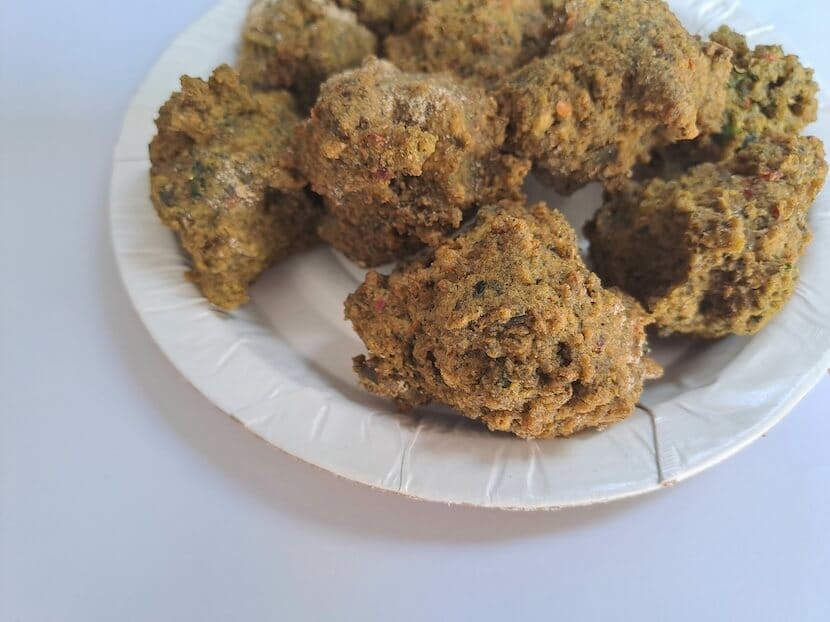
Bhang Pakoras are another delicious modification of a common Indian snack. They showcase delicate bhang leaves and a mix of spices for an exciting and unique burst of flavor. These fritters are a favourite due to their crunchy outside and tender, tasty inside. Bhang leaves are abundant in antioxidants, and bhang pakoras are a tasty and healthy choice when paired with nutritious vegetables and spices.
Simply chop the bhang leaves into small pieces and blend them with all the components of a traditional pakora mixture. Incorporate sufficient water to create a thick paste and dry in hot oil to obtain crisp and delicious golden brown bhang pakoras. This dish is best paired with bhang chutney.
Bhang Barfi
Bhang Barfi is a delightful treat for the palate, serving as a traditional Indian sweet enriched with the essence of cannabis, whether savored on festive occasions or as an indulgent dessert. It combines the richness of khoya (solidified milk), sugar, and cardamom powder to create cubes or diamonds of pure sweet bliss.
Bhang Malpua
Malpua is a well-known traditional Indian dessert made of flour pancakes that are pan-fried or shallow-fried and soaked in sugar syrup. They are usually eaten with rabdi (sweetened thickened milk). These fluffy and crispy Indian-style pancakes are prepared using all-purpose flour, yogurt, spices, khoya (milk solids), and garnished with nuts. When infused with bhang, this traditional delicacy becomes even more enjoyable and exotic.
Conclusion
Bhang is a distinctive and culturally important substance that has been enjoyed in Indian cuisine for centuries. Although it is mostly linked to specific Hindu festivals and customs, bhang also possesses medicinal qualities and can offer various psychoactive experiences. When infused with food and beverages, the medicinal and nutritional virtues of bhang can be enjoyed in a delicious way. Whether you aim to examine the effects of bhang for leisure or consume it for its possible health advantages, it is crucial to use it responsibly and be mindful of its impact on the body and mind. If you’re following an Indian bhang food recipe, make sure to use bhang in the specified amount to avoid any physiological discomfort.




Leave a Comment